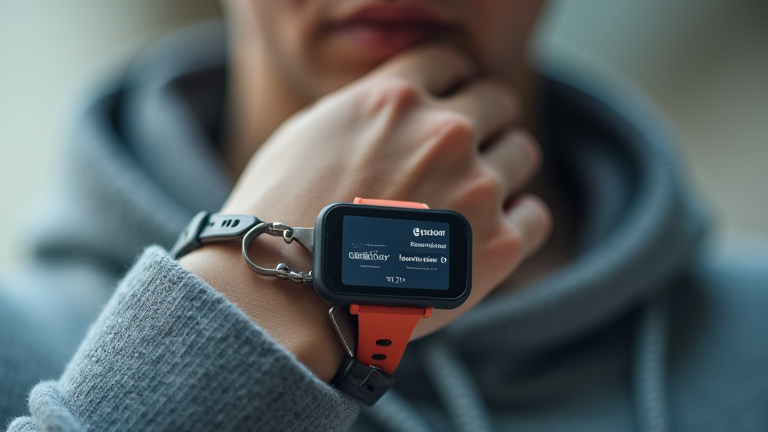
Wearables Pivot: From Tracking to Preventive Health Coaching
TL;DR: Modern wearables have evolved from simple data loggers into proactive health partners that offer real-time coaching and preventive insights. This shift empowers users to act on their health before problems arise, transforming passive monitoring into active wellness management.
The Evolution of Wearable Technology
For years, smartwatches and fitness bands were primarily glorified pedometers. They counted steps, tracked heart rate zones, and logged sleep duration, but they rarely provided actionable advice beyond a generic notification to “stand up” or “move more.” The data was abundant, yet the interpretation was left almost entirely to the user. Today, the landscape has changed dramatically. The industry is pivoting from raw data tracking to personalized, preventive health coaching. This transition is driven by advances in AI, sensor precision, and a growing consumer demand for holistic health solutions rather than just performance metrics. The goal is no longer just to tell you how fast you ran, but to warn you if your resting heart rate suggests an impending illness or if your sleep quality is impacting your long-term cardiovascular health.
If you want to dig deeper, check out our guide on Step-by-Step Tutorial: How to Build Your First Website (54 c.
Feature Highlights: The New Standard
Current flagship devices now integrate multi-spectral sensors that monitor blood oxygen levels, skin temperature, and electrodermal activity with unprecedented accuracy. These features allow for the detection of subtle physiological changes that precede noticeable symptoms. For instance, a sustained increase in resting heart rate combined with a drop in skin temperature can alert users to potential viral infections days before they feel unwell. Furthermore, advanced algorithms now analyze trends over weeks rather than single days. This longitudinal approach identifies patterns in stress recovery, sleep fragmentation, and metabolic health. The coaching aspect is delivered through contextual notifications that explain the “why” behind the data. Instead of a simple alert, users receive guidance on specific breathing exercises, hydration reminders, or sleep hygiene tips tailored to their current biometric state. This educational layer transforms the device from a tool into a tutor, fostering better health literacy and sustainable habit changes.
Comparative Analysis
When comparing the new generation of wearables to their predecessors, the difference in utility is stark. Legacy models focused on volume; they wanted to capture as many data points as possible. Modern devices focus on value; they prioritize signal-to-noise ratio. Compared to basic fitness trackers, premium smartwatches now offer ECG and blood pressure trend monitoring, features that were previously exclusive to clinical settings. When compared to older smartwatches, the newer models utilize on-device machine learning to process data locally, ensuring privacy and faster response times. However, the best value often lies not in the most expensive model, but in the one that best fits the user’s specific health goals. A runner might prioritize GPS accuracy and heart rate zone precision, while a user managing chronic stress would benefit more from a device with superior respiratory rate tracking and mindfulness integration. The “best” wearable is now defined by how effectively it coaches the user, not just how well it tracks them.
Conclusion and Call-to-Action
The era of passive tracking is over. Your wearable should be an active partner in your health journey, offering insights that lead to prevention, not just analysis. If your current device only tells you what you did yesterday, it is time to upgrade. Look for features that provide forward-looking insights and personalized coaching. Take the next step toward proactive health management. Visit our comprehensive comparison guide today to find the wearable that aligns with your preventive health goals. Don’t just track your life; optimize it. Start your journey to a healthier, more resilient future by choosing a device that coaches, not just counts.
FAQ
Q: Are the health insights from wearables medically accurate?
A: While wearables provide highly accurate trends and general health data, they are not medical devices. They should be used as supplementary tools for preventive care and always consulted with a healthcare professional for diagnostic concerns.
Q: How does AI improve the coaching aspect of wearables?
A: AI analyzes complex biometric patterns over time to identify individual baselines.
Leave a Reply