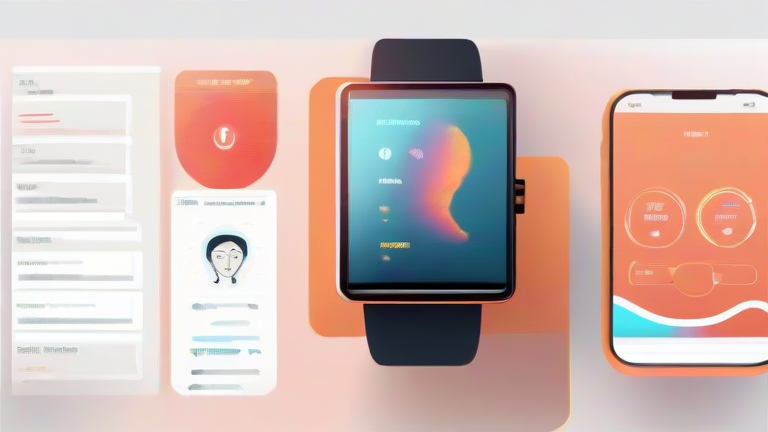
Wearables + Mental Health Apps: The Future of Wellness
The modern pursuit of wellness has evolved far beyond simple step counting or calorie tracking. Today, the intersection of cutting-edge wearable technology and sophisticated mental health applications offers a holistic approach to personal growth that integrates seamlessly into our daily lives. This synergy is not just about data; it is about understanding the intricate connection between our physical state and our emotional well-being, creating a new paradigm for self-care that is both proactive and deeply personal.

Imagine starting your morning not with the jarring sound of an alarm, but with a gentle vibration that aligns with the end of your deepest sleep cycle. Your wearable device has analyzed your heart rate variability (HRV) and stress levels throughout the night, determining that you are ready to rise. As you step outside, perhaps for a mindful walk in a local park or a hike in the mountains, your smartwatch syncs with a mental health app. It suggests a breathing exercise tailored to your current heart rate, helping to ground you before the day’s demands begin. This seamless integration transforms abstract concepts like “stress management” into tangible, actionable moments.
If you want to dig deeper, check out our guide on Top 10 Trends Shaping 2024: What You Need to Know.
Food, often a source of comfort or stress, also benefits from this technological harmony. Advanced wearables can monitor glucose spikes and cortisol levels, providing real-time feedback on how certain meals affect your mood and energy. Instead of restrictive dieting, this data empowers individuals to make informed choices that support both physical vitality and mental clarity. You might discover that a specific nutrient-dense breakfast stabilizes your afternoon anxiety, turning meal preparation into a ritual of self-respect and growth.
Furthermore, the cultural shift towards valuing mental health is being amplified by these tools. Apps that offer guided meditations, cognitive behavioral therapy (CBT) exercises, or journaling prompts become more effective when triggered by contextual data from wearables. If your device detects elevated stress during a work call, it can gently nudge you to take a two-minute pause for mindfulness. This proactive approach fosters resilience, allowing users to navigate life’s challenges with greater ease and awareness.
As we look to the future, the boundary
Leave a Reply