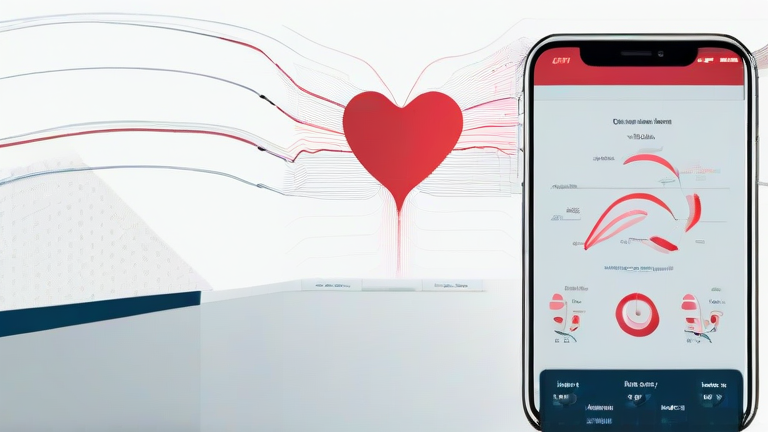
Wearable Health Monitors: Predicting Cardiac Events Early
In the rapidly evolving landscape of digital health, wearable technology has transitioned from simple fitness trackers to sophisticated medical-grade devices capable of saving lives. Among the most significant advancements is the ability of modern smartwatches and dedicated patches to predict cardiac events before they become catastrophic. This review explores how these devices are reshaping personal healthcare, focusing on their accuracy, usability, and the critical difference they make in emergency prevention.
Feature Highlights: Beyond Step Counting
Modern wearables utilize advanced photoplethysmography (PPG) sensors and electrocardiogram (ECG) capabilities to monitor heart rhythm continuously. The standout feature is early atrial fibrillation (AFib) detection, a condition that significantly increases the risk of stroke. When a device identifies an irregular rhythm, it immediately alerts the user and can prompt them to record a detailed ECG reading for physician review. Additionally, new models offer heart rate variability (HRV) analysis, providing insights into stress levels and overall cardiovascular health trends over time.
If you want to dig deeper, check out our guide on Top 10 Trends Shaping 2024: What You Need to Know.
The user interface has also matured. Health apps now provide clear, actionable insights rather than overwhelming data dumps. Users receive monthly cardiovascular health summaries, sleep pattern correlations, and guided breathing exercises to help manage acute stress. Battery life has improved significantly, with many devices lasting up to seven days on a single charge, ensuring continuous monitoring without frequent interruptions.
Comparative Analysis: Market Leaders
When comparing top contenders, the Apple Watch Series 9 and the Samsung Galaxy Watch 6 stand out, but they cater to slightly different needs. The Apple Watch excels in ecosystem integration and has received FDA clearance for AFib notifications, making it a trusted choice for iOS users. Its clinical-grade ECG app is widely recognized by cardiologists for its reliability. In contrast, the Samsung Galaxy Watch 6 offers superior sleep tracking and body composition analysis, appealing to Android users who prioritize holistic health metrics over strict medical certification.
For those seeking dedicated medical monitoring rather than general fitness, the Bio
Leave a Reply