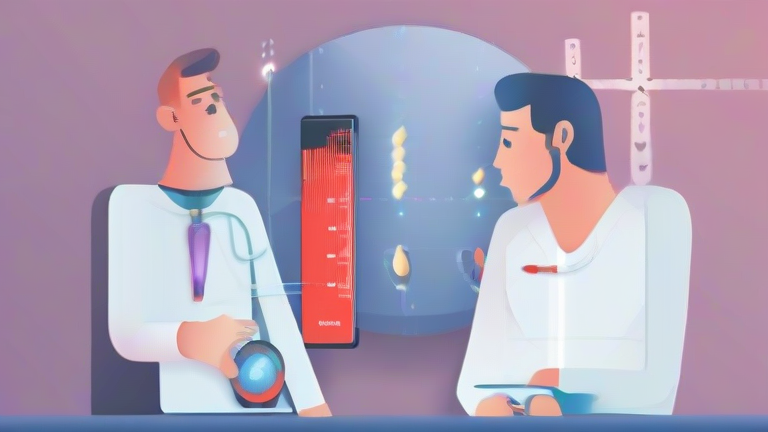
Wearable Health Monitors Predict Cardiac Events
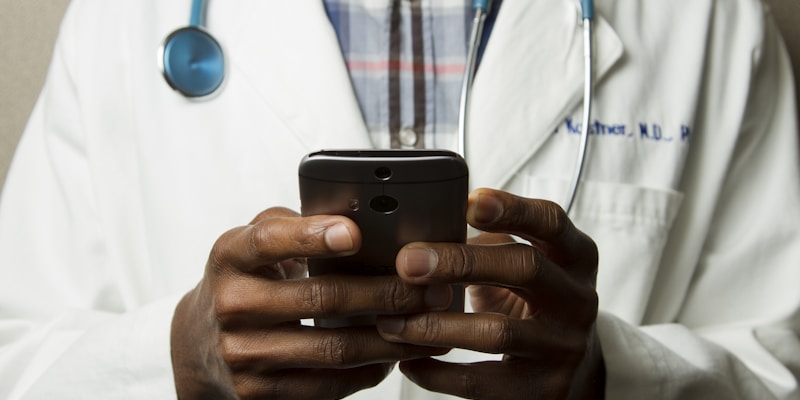
The landscape of preventive medicine is undergoing a radical transformation, driven by the convergence of advanced sensor technology and sophisticated artificial intelligence. For decades, the relationship between patients and their cardiac health was reactive; doctors typically intervened only after symptoms like chest pain or shortness of breath became undeniable. Today, wearable health monitors are shifting this paradigm toward proactive prediction, offering real-time insights that can identify irregularities long before a catastrophic event occurs.
Recent clinical studies have validated the efficacy of modern smartwatches and fitness trackers in detecting atrial fibrillation (AFib), a common type of irregular heartbeat that can lead to stroke. These devices utilize photoplethysmography (PPG), a non-invasive optical technique, to measure blood volume changes in the capillaries. By analyzing the intervals between heartbeats with millisecond precision, algorithms can flag anomalies that warrant immediate medical attention. This capability is not merely a convenience; it is a critical tool for early intervention. For instance, the Apple Heart Study and various FDA-cleared devices have demonstrated high specificity in identifying AFib, reducing the number of undiagnosed cases significantly.
However, technology alone is not a panacea. The data generated by these devices must be interpreted within the broader context of an individual’s lifestyle and overall health. A spike in heart rate during sleep might indicate stress or poor sleep hygiene rather than a cardiac issue. Conversely, a consistent resting heart rate above 100 beats per minute could signal underlying inflammation or thyroid dysfunction. Therefore, users must view their wearables as diagnostic aids, not definitive medical tools. Always consult a healthcare provider to interpret irregular readings and establish a personalized care plan.
Integrating wearable data into a holistic wellness strategy requires discipline and awareness. First, ensure your device fits correctly. Loose bands can lead to inaccurate readings, creating false alarms or missing critical events. Second, use the data to drive behavioral changes. If your monitor shows elevated stress levels
Leave a Reply