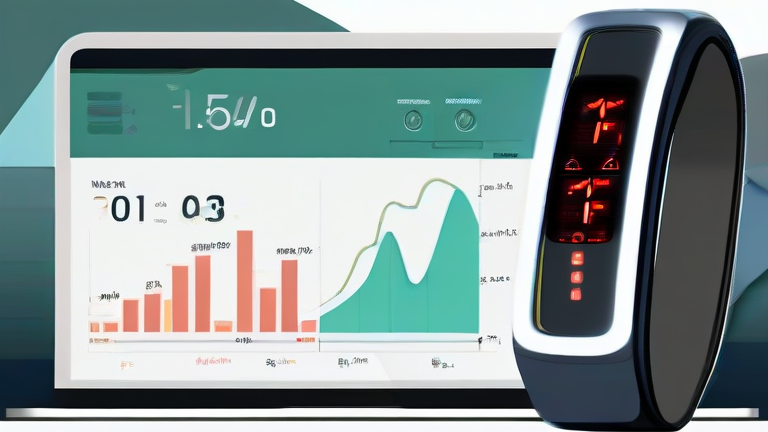
Wearable Health Monitors Go Mainstream: What You Need to Know
The era of the smartwatch being merely a notification hub is rapidly fading. Today’s wearable health monitors have evolved into sophisticated medical-grade devices that sit comfortably on our wrists, offering real-time insights into our physiological states. This shift represents a fundamental change in how consumers interact with their personal health data, moving from passive tracking to active health management. The latest generation of devices integrates advanced biosensors, artificial intelligence, and seamless connectivity to provide a comprehensive view of user wellness, marking a significant milestone in the convergence of technology and healthcare.

At the core of this revolution is the dramatic improvement in sensor accuracy. Early fitness trackers were often criticized for their lack of precision, particularly regarding heart rate variability and sleep staging. However, recent models now employ multi-path optical heart rate sensors that utilize multiple LEDs and photodiodes to filter out motion artifacts effectively. This allows for medical-grade accuracy in detecting atrial fibrillation, high and low heart rates, and even blood oxygen saturation levels. Furthermore, the integration of non-invasive glucose monitoring technology is on the horizon, promising to revolutionize diabetes management by eliminating the need for painful finger pricks. While still in the testing phases for many brands, the potential impact on quality of life for millions of users cannot be overstated.
If you want to dig deeper, check out our guide on Space Tourism Shifts: From Luxury to Mid-Tier Market.
Beyond hardware, the software ecosystem has undergone a parallel transformation. Manufacturers are leveraging machine learning algorithms to analyze vast amounts of biometric data, providing personalized health recommendations rather than just raw numbers. For instance, if a device detects unusual stress patterns during the day, it might suggest specific breathing exercises or mindfulness sessions. This proactive approach to health is reshaping the industry impact, forcing traditional healthcare providers to adapt. Insurance companies are beginning to offer premium discounts for users who meet specific activity goals, while employers are incorporating wearable data into wellness programs to reduce healthcare costs and improve employee productivity. This synergy between consumer tech and institutional healthcare is creating a new market dynamic where data privacy and interoperability become paramount concerns.
Security and data
Leave a Reply