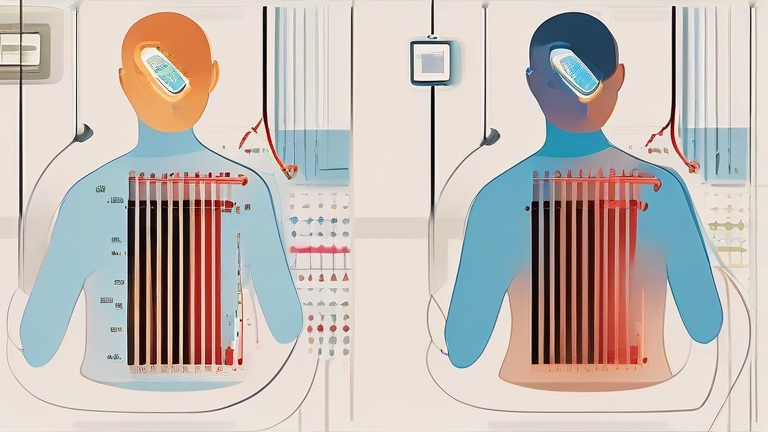
Wearable Health Monitors: Detect Early Signs of Disease
The landscape of personal healthcare is undergoing a seismic shift. No longer confined to sterile hospital rooms or bulky clinic equipment, advanced diagnostics are now fitting comfortably on our wrists and waists. Wearable health monitors have evolved from simple step-counters into sophisticated medical-grade devices capable of detecting early signs of chronic diseases, potentially saving millions of lives through proactive intervention. This article explores the latest technological breakthroughs, key specifications driving this revolution, and the profound impact on the global healthcare industry.
Latest Developments in Sensing Technology
Recent advancements in biosensor technology have moved far beyond basic heart rate monitoring. Modern wearables now integrate multi-modal sensors that track blood oxygen saturation (SpO2), blood pressure trends, electrocardiogram (ECG) data, and even continuous glucose monitoring (CGM) for non-diabetic users. A significant breakthrough is the integration of photoplethysmography (PPG) with machine learning algorithms, allowing devices to detect atrial fibrillation and irregular heartbeats with clinical accuracy.
If you want to dig deeper, check out our guide on 10 Simple Lifestyle Habits to Boost Your Daily Energy and Ha.

Furthermore, researchers are pioneering non-invasive glucose monitoring using spectroscopy, eliminating the need for painful finger pricks. These sensors analyze interstitial fluid to provide real-time glucose trends, a game-changer for managing diabetes and metabolic disorders. Additionally, smart fabrics embedded with conductive threads are being developed to monitor respiratory rates and posture, offering early warnings for conditions like sleep apnea and chronic obstructive pulmonary disease (COPD).
Key Specifications and Technical Capabilities
To be considered medically viable, wearables must meet rigorous specifications. Key metrics include sensor sensitivity, data transmission latency, and battery efficiency. Leading devices now offer sampling rates of up to 1,000 Hz for ECG readings, ensuring high-fidelity data capture. Connectivity is crucial; integration with 5G and Bluetooth Low Energy (BLE) 5.3 allows for instant data upload to cloud-based medical servers, enabling real-time alerts for healthcare providers.
Battery life remains a critical constraint,
Leave a Reply