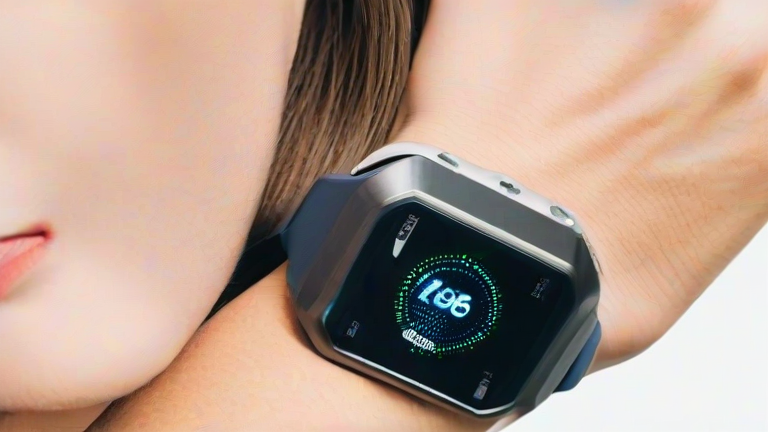
TL;DR: Wearable biosensors use physiological data like heart rate variability and skin conductance to detect early signs of stress and anxiety in real time. They empower users with actionable insights to manage mental health proactively through targeted lifestyle adjustments.
The Science Behind the Signals
Mental health is not just a subjective experience; it leaves tangible marks on the body. Wearable biosensors have revolutionized how we monitor these physical indicators, providing a continuous stream of data that traditional clinical assessments often miss. Key metrics include Heart Rate Variability (HRV), Galvanic Skin Response (GSR), and sleep architecture. HRV, specifically the difference in time between each heartbeat, is a strong predictor of autonomic nervous system balance. Low HRV is often correlated with high stress, poor sleep, or burnout, while higher HRV suggests better resilience and emotional regulation.
If you want to dig deeper, check out our guide on Unified Digital Identity Standards for Online Privacy.
From Data to Daily Habits
Collecting data is only the first step; translating it into actionable lifestyle changes is where the real benefit lies. If your wearable shows a spike in GSR during specific work hours, it may indicate acute stress. Instead of ignoring this signal, try implementing micro-breaks. The “4-7-8” breathing technique, which involves inhaling for four seconds, holding for seven, and exhaling for eight, can help activate the parasympathetic nervous system, lowering cortisol levels immediately. This simple practice, when timed with sensor alerts, creates a feedback loop that teaches your body to self-regulate more effectively.
Optimizing Recovery Through Sleep
Sleep is the cornerstone of mental wellness, and wearables have become sophisticated tools for tracking its quality. Deep sleep and REM cycles are critical for emotional processing and memory consolidation. If your device indicates fragmented sleep, review your evening habits. Limit blue light exposure at least one hour before bed, as it suppresses melatonin production. Additionally, maintaining a consistent sleep schedule helps regulate your circadian rhythm. Some advanced wearables now offer gentle nudges to wake you up during a light sleep phase, which can reduce sleep inertia and improve morning mood. By prioritizing these sleep hygiene practices, you create a stable foundation for mental clarity and emotional stability throughout the day.
Privacy and Ethical Considerations
While the benefits are significant, users must remain vigilant about data privacy. Mental health data is sensitive. Always review the privacy policies of your device and ensure that your data is encrypted and not shared with third parties without explicit consent. Use reputable brands that comply with strict data protection regulations. Your mental health data is your most personal information, and safeguarding it is a crucial part of maintaining overall well-being. Balancing the utility of real-time monitoring with robust privacy practices ensures that technology serves as a supportive tool rather than a source of additional anxiety.
FAQ
Q: Are wearables a replacement for therapy?
A: No, wearables are complementary tools that provide objective data to support professional treatment, not a substitute for clinical diagnosis or therapy.
Q: How accurate is stress detection via HRV?
A: While HRV is a valid biomarker, accuracy depends on device quality and individual baseline; it should be viewed as a trend indicator rather than a definitive medical diagnosis.
Q: Can I use data to improve focus at work?
A: Yes, by identifying peak energy periods and stress triggers, you can schedule demanding tasks during high-focus windows and insert restorative breaks during low-energy dips.
Leave a Reply