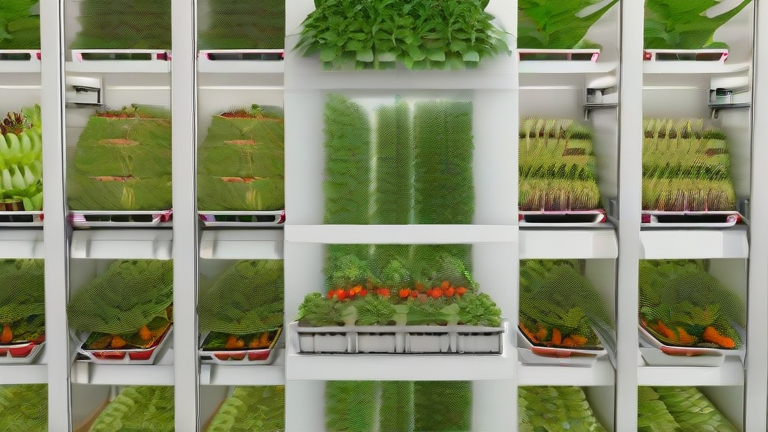
Urban Vertical Farms Tackle Food Security
As global populations swell and arable land dwindles, the imperative for sustainable agricultural solutions has never been more urgent. Enter urban vertical farming, a revolutionary approach that transforms underutilized city spaces into lush, high-yield food production hubs. This technology is not merely a trend; it is a critical response to the pressing challenges of food security, climate change, and supply chain fragility. By leveraging controlled environment agriculture, vertical farms offer a resilient, localized alternative to traditional farming methods, ensuring fresh produce is available year-round regardless of external weather conditions.
Feature Highlights
The standout features of modern urban vertical farming systems are their efficiency and sustainability. These facilities utilize hydroponic or aeroponic systems, which consume up to 95% less water than conventional field farming. This drastic reduction in water usage is a game-changer for regions facing droughts and water scarcity. Furthermore, vertical farms eliminate the need for pesticides and herbicides, producing cleaner, safer produce for consumers. The use of LED grow lights allows for precise control over light spectra, optimizing plant growth cycles and significantly increasing yield per square foot. Additionally, the proximity to urban centers reduces transportation costs and carbon emissions associated with long-haul logistics, ensuring that food reaches tables fresher and faster.
If you want to dig deeper, check out our guide on 10 Essential Health Tips for a Longer, Happier Life.

Comparisons and Advantages
When compared to traditional agriculture, vertical farming offers distinct advantages. Traditional farming is heavily dependent on seasonal changes and favorable weather patterns, making it vulnerable to climate disruptions. In contrast, vertical farms operate independently of these variables, providing a consistent and reliable supply of fresh produce. Moreover, the land efficiency of vertical farming is unparalleled. A single vertical farm can produce the equivalent output of acres of traditional farmland, making it an ideal solution for densely populated urban areas where space is at a premium. While the initial setup costs for vertical farms can be higher than conventional farming, the long-term operational savings and consistent yields make it a financially viable and environmentally responsible choice.
In conclusion, urban vertical farming represents a pivotal shift in how we produce and consume food. It addresses critical issues of sustainability, efficiency, and food security, offering a scalable solution for future
Leave a Reply