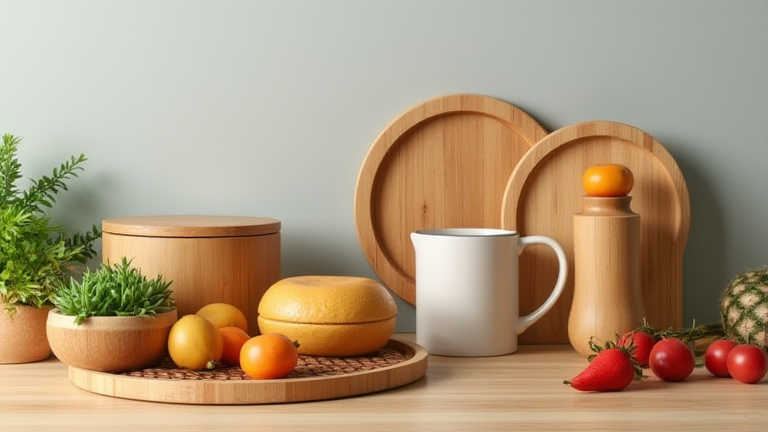
TL;DR: The sustainable bamboo kitchenware market is experiencing rapid growth driven by consumer demand for eco-friendly alternatives to plastic. Experts predict continued expansion as supply chains mature and regulatory pressures on single-use plastics intensify.
The Rise of Sustainable Bamboo Kitchenware: A Trend
The global shift toward sustainability is no longer a niche movement but a dominant force reshaping consumer goods. Among the most significant changes is the surge in popularity of bamboo kitchenware. From cutting boards and utensils to storage containers and serving trays, bamboo has become the material of choice for environmentally conscious households. This trend is fueled by bamboo’s unique biological advantages, including its rapid growth rate, minimal water requirements, and lack of need for pesticides. Unlike hardwoods, which can take decades to mature, bamboo reaches harvestable size in just three to five years, making it an infinitely renewable resource.
If you want to dig deeper, check out our guide on 5 Simple Lifestyle Hacks for a Healthier, Happier You.
Market data reflects this burgeoning interest. According to recent industry reports, the global bamboo products market is projected to grow at a compound annual growth rate (CAGR) of approximately 12% through 2030. North America and Europe lead in adoption, with e-commerce platforms reporting a 40% year-over-year increase in bamboo kitchenware sales. This growth is not merely a passing fad; it is underpinned by a fundamental change in consumer values. A 2023 survey indicated that over 65% of millennials and Gen Z consumers prioritize sustainability when purchasing household items. They are actively seeking products that reduce their carbon footprint and minimize plastic waste, making bamboo an ideal solution.
Expert insights further validate the long-term viability of this trend. Dr. Elena Rodriguez, a specialist in sustainable materials science, notes, “Bamboo offers a perfect balance of durability and biodegradability. It is strong enough for daily kitchen use yet compostable at the end of its life cycle. This dual functionality addresses two major environmental concerns: resource depletion and waste management.” Additionally, manufacturers are innovating to enhance bamboo’s performance. New treatments and composite techniques are making bamboo more resistant to moisture and mold, addressing previous criticisms regarding its durability in wet environments. These improvements have helped bridge the gap between aesthetic preference and practical utility, encouraging broader adoption among professional chefs and home cooks alike.
Looking ahead, future predictions suggest that the bamboo kitchenware sector will continue to evolve. As regulatory frameworks tighten globally, particularly regarding single-use plastics, the demand for durable, reusable alternatives like bamboo will likely accelerate. We anticipate seeing more integration of smart technology into bamboo products, such as embedded sensors in cutting boards that monitor food safety or track usage patterns for maintenance reminders. Furthermore, the supply chain is becoming more transparent. Blockchain technology is being introduced to verify the sustainable sourcing of bamboo, ensuring that products meet strict environmental standards. This transparency will build further trust among consumers who are increasingly wary of greenwashing. Companies that can authentically demonstrate their commitment to sustainability will have a significant competitive advantage. The trend is moving beyond simple product substitution; it is becoming part of a holistic lifestyle choice that prioritizes planetary health. As production costs decrease due to economies of scale, bamboo kitchenware will become more accessible to a wider demographic, solidifying its place as a staple in modern kitchens. The rise of sustainable bamboo kitchenware is not just a trend; it is a structural shift in how we think about the materials we use daily. For industry stakeholders, this represents a massive opportunity to innovate, lead, and contribute to a more sustainable future.
FAQ
Q: Is bamboo truly biodegradable?
A: Yes, natural bamboo products are fully biodegradable and compostable, breaking down much faster than plastic or synthetic materials without leaving toxic residues.
Q: How does bamboo compare to plastic in terms of environmental impact?
A: Bamboo has a significantly lower carbon footprint, requires less water, and grows rapidly without replanting, whereas plastic production relies on fossil fuels and persists in the environment for hundreds of years.
Q: Are there any downsides to using bamboo kitchenware?
A: The primary concern is susceptibility to moisture and mold if not properly maintained; however, modern treatments and regular drying effectively mitigate these
Leave a Reply