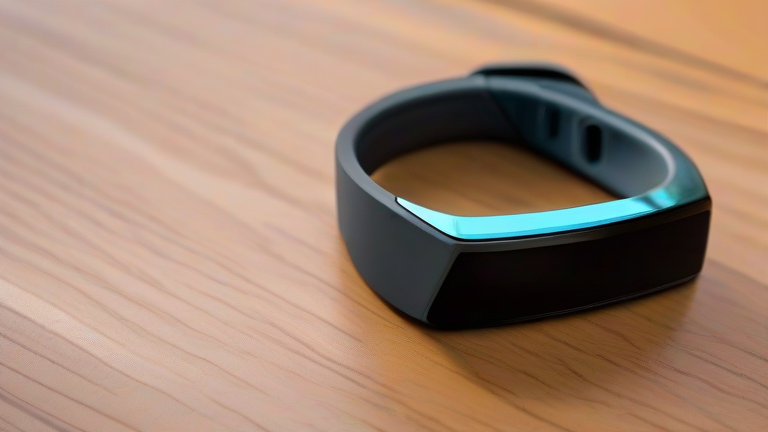
The Rise of Smart Ring Sleep Tracking: Why Oura is the New Fitbit
TL;DR: The smart ring market is expanding rapidly due to superior non-invasive sleep data accuracy compared to traditional wrist-worn devices. Oura’s dominance stems from its focus on health insights rather than step counting, making it the premier choice for biohacking enthusiasts and serious sleep analysts.
Market Shifts and Consumer Preferences
The wearable technology landscape has undergone a significant transformation over the last five years. While smartwatches and fitness bands dominated the early 2010s, the focus has shifted from general activity tracking to precise health monitoring. According to recent market analysis, the global smart ring market is projected to grow at a compound annual growth rate of 15% through 2030, reaching a valuation of over $1.2 billion. This growth is largely driven by consumer fatigue with bulky wrist-worn devices and a heightened interest in sleep hygiene. Consumers are increasingly willing to pay a premium for devices that offer accurate heart rate variability (HRV), blood oxygen saturation, and skin temperature readings without the need for constant charging or screen distractions. The Oura Ring has capitalized on this shift, capturing nearly 70% of the premium smart ring market share, effectively positioning itself as the standard-bearer for non-invasive health tracking.
If you want to dig deeper, check out our guide on Why Every D2C Brand Is Swapping Paid Ads for TikTok Shop.
Expert Insights on Data Accuracy
Dr. Elena Rossi, a leading sleep scientist at the University of California, notes that the placement of sensors on the finger offers distinct advantages over the wrist. “The finger has a higher concentration of blood vessels and is less prone to movement artifacts during sleep,” Rossi explains. This anatomical advantage allows for more stable readings of physiological markers. Traditional fitness trackers like Fitbit often struggle with motion interference, leading to occasional gaps in data. In contrast, the Oura Ring’s proprietary algorithms process these stable signals to provide a comprehensive “Readiness Score.” Industry analysts point out that this depth of data is what differentiates Oura from the broader fitness wearables category. It is not merely a counter of steps but a diagnostic tool that helps users understand the root causes of their fatigue, making it indispensable for health-conscious professionals and athletes alike.
Future Predictions and Competitive Landscape
Looking ahead, the smart ring industry is poised for further innovation and increased competition. Major tech giants, including Apple and Samsung, have reportedly been exploring ring-based form factors, though no major releases have been confirmed yet. However, the entry of these players could democratize the technology, potentially lowering price points and driving broader adoption. Future iterations of smart rings are expected to include non-invasive glucose monitoring and advanced metabolic health tracking. The convergence of AI and wearable technology will also play a crucial role, with predictive analytics providing users with personalized advice on nutrition, exercise, and recovery. As privacy concerns regarding health data continue to grow, companies like Oura must maintain strict data security protocols to retain consumer trust. Ultimately, the smart ring is set to become as ubiquitous as the smartwatch, redefining how we interact with our own biological data and solidifying its place as the new standard in personal health technology.
FAQ
Q: Is the Oura Ring more accurate than a Fitbit for sleep tracking?
A: Generally, yes. The finger placement reduces motion artifacts, leading to more consistent heart rate and HRV readings during sleep compared to wrist-based devices.
Q: How long does the battery life of a smart ring last?
A: Most modern smart rings, including the Oura Ring, offer a battery life of approximately four to seven days per charge, significantly outlasting smartwatches that require daily charging.
Q: Are smart rings only useful for sleep, or can they track activity?
A: While they excel at sleep and recovery metrics, newer models are improving their ability to track daily activity, heart rate, and skin temperature throughout the day, though they are not as robust for workout-specific metrics as dedicated fitness watches.
Leave a Reply