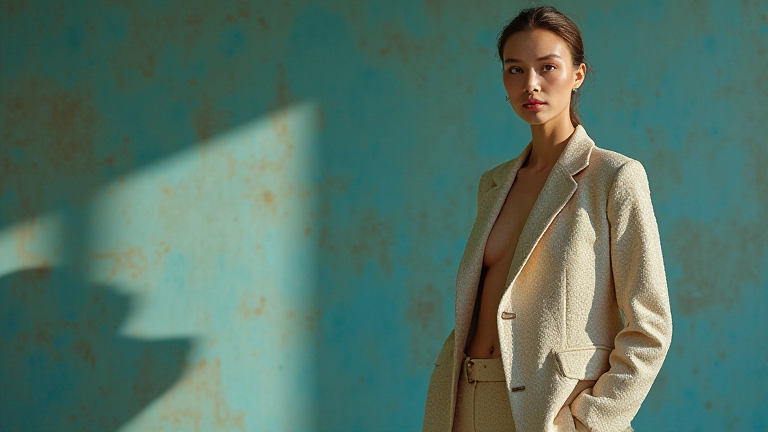
Sustainable Fashion: The Rise of Lab-Grown Materials
For decades, the fashion industry has been inextricably linked with the open road and the exploration of global cultures. From the vibrant textiles of Marrakech to the intricate weaves of Kyoto, travel has always been a primary source of inspiration for our wardrobes. However, as our world becomes increasingly interconnected, the environmental cost of producing these garments has come into sharp focus. The leather jacket that defines your autumn travels in Paris or the silk scarf from Bangkok is no longer just a souvenir; it is a statement. But what if that statement could be made without harming the planet? This is where the revolutionary world of lab-grown materials enters the narrative of modern lifestyle and personal growth.
Imagine packing for a trip to Patagonia. You reach for your jacket, knowing it is not made from animal hide, but from a bio-fabricated alternative grown in a laboratory. This is the reality of the new sustainable fashion era. Lab-grown materials, such as spider silk produced by fermented yeast or leather alternatives derived from mycelium (mushroom roots), are reshaping the supply chain. These innovations are not merely trends; they represent a fundamental shift in how we view consumption, culture, and our footprint on the earth. For the conscious traveler, this evolution offers a new way to engage with the world—one that respects biodiversity while embracing cutting-edge technology.
If you want to dig deeper, check out our guide on Digital Detox Trends Rise Amid Screen Fatigue.

The intersection of food, fashion, and science is particularly fascinating in this context. Many lab-grown materials utilize fermentation processes similar to those used in brewing beer or producing cheese. This connection highlights a broader cultural shift toward plant-based and bio-engineered solutions. As we become more aware of the impact of our dietary choices, we are beginning to apply that same scrutiny to our clothing. Personal growth, in this context, means evolving our habits to align with our values. It is about understanding that the materials we wear are an extension of our identity and our ethical stance.
Moreover, these innovations are democratizing luxury. Traditional luxury often relies on rare, hard-to-source materials that come
Leave a Reply