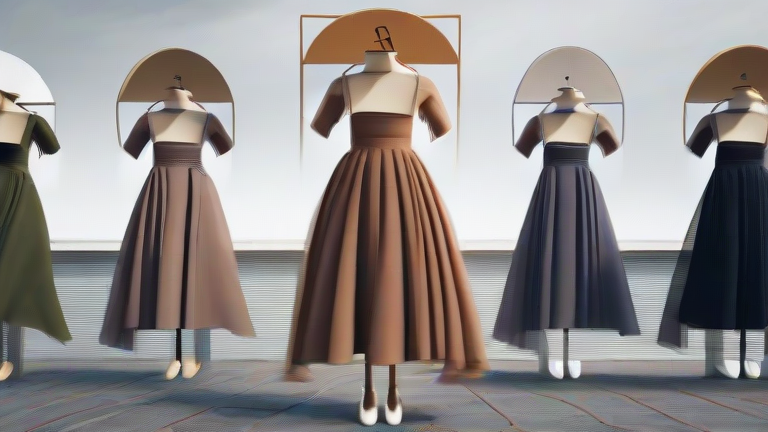
Sustainable Fashion: The Power of Circular Economy
The fashion industry has long been criticized for its environmental footprint, contributing significantly to global waste and carbon emissions. However, a transformative shift is underway, driven by the principles of the circular economy. This model moves away from the traditional “take-make-dispose” linear approach, focusing instead on keeping resources in use for as long as possible, extracting the maximum value from them while in use, and then recovering and regenerating products and materials at the end of their service life. This article explores how embracing circularity is not just an ethical choice but a powerful business strategy and consumer benefit.
At the heart of sustainable fashion is the concept of durability and longevity. Unlike fast fashion, which prioritizes low costs and rapid turnover, circular brands design clothes to last. They use high-quality, recycled, or biodegradable materials that can withstand multiple wears and washes. Furthermore, these brands often offer repair services, allowing customers to fix minor damages rather than discarding the entire garment. This approach significantly reduces waste and encourages a more mindful consumption habit.
If you want to dig deeper, check out our guide on Space Tourism: Suborbital Moon Flybys & Suborbital Moon Flyb.

One of the most compelling features of circular fashion is the integration of technology. Brands are leveraging digital tools to track the lifecycle of their products. For instance, some companies use blockchain technology to provide transparency, allowing consumers to scan a QR code and learn about the origin of the materials, the conditions under which the garment was made, and how to properly recycle it at the end of its life. This level of transparency builds trust and empowers consumers to make informed choices.
When compared to traditional fashion retailers, the differences are stark. Traditional brands often rely on planned obsolescence, encouraging frequent purchases through changing trends and lower quality materials. In contrast, circular fashion brands foster a relationship with their customers based on care and longevity. While the initial cost of a circular fashion item might be higher, the cost-per-wear over time is often lower, making it a more economical choice in the long run. Additionally, the environmental impact is drastically reduced, as less water, energy, and raw materials are consumed.
The benefits extend beyond environmental protection. By supporting circular fashion, consumers contribute to a more equitable supply chain. Many circular brands prioritize
Leave a Reply