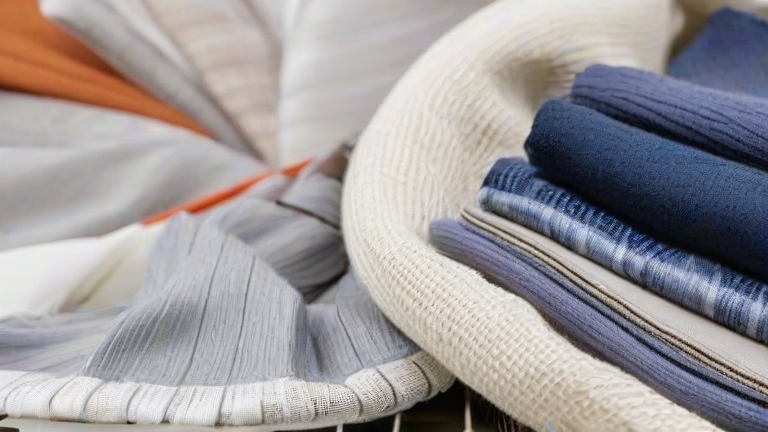
TL;DR: Sustainable fashion tech utilizes advanced chemical and mechanical processes to break down post-consumer garments into raw fibers, eliminating the need for virgin resource extraction. This circular model keeps textiles in use longer, drastically reducing landfill waste and water consumption associated with new fabric production.
Understanding the Circular Loop
The traditional linear fashion model, characterized by a “take-make-waste” approach, is unsustainable. In contrast, circular textile recycling aims to close the loop by treating used clothing as a resource. This process involves collecting end-of-life garments, sorting them by fiber type, and processing them into new raw materials. By keeping materials in circulation, we extend their lifespan and reduce the environmental footprint of the apparel industry. The goal is to create a system where waste is designed out, and value is maintained throughout the product lifecycle. Understanding this fundamental shift is crucial for grasping the technologies that make it possible.
If you want to dig deeper, check out our guide on On-Device AI Becomes Default in Consumer Apps.
Step-by-Step Recycling Process
First, consumers must separate their old clothing. Mix fabrics can complicate recycling, so sorting by material type—cotton, polyester, wool, or blends—is essential. Many brands offer take-back programs or digital platforms to connect users with local collection points. Once collected, the garments undergo automated sorting. Advanced optical scanners and sensors identify fiber content, color, and quality. This step is critical because different fibers require different recycling methods. Next, the materials are processed. Mechanical recycling involves shredding fabrics into fiber and re-spinning them into yarn. This method is energy-efficient but can degrade fiber quality. Chemical recycling is more advanced; it uses solvents or enzymes to break down polymers back to their monomer state. This allows for infinite recycling without quality loss, particularly for synthetic fibers like polyester. Finally, the recovered fibers are spun into new yarns and woven into fabrics. These new materials can be used to create fresh garments, completing the cycle. The entire process requires precise technology to ensure purity and efficiency.
Practical Tips for Participation
To maximize the impact of your participation, always wash and dry your clothing before donation. Moisture and odors can contaminate the recycling stream, leading to rejection. Remove all zippers, buttons, and hardware, as these components can damage industrial machinery. Check local guidelines, as some facilities only accept specific types of textiles. Blends, such as cotton-polyester mixes, are currently difficult to recycle at scale, so prioritize separating pure fibers when possible. Support brands that commit to closed-loop systems and transparent supply chains. Educate yourself on the difference between donation and recycling. Donations support social causes, while recycling addresses material sustainability. Both are important, but recycling ensures the physical material stays in use. By adopting these habits, you contribute to a healthier planetary system and support the growth of sustainable fashion tech.
FAQ
Q: Can I recycle all types of clothing?
A: No, most facilities cannot process blended fabrics or items with significant contamination. Pure cotton, polyester, and wool are the easiest to recycle, while complex blends often end up in landfill or energy recovery streams.
Q: How does chemical recycling differ from mechanical?
A: Mechanical recycling physically breaks down fibers, which can shorten fiber length over time. Chemical recycling dissolves materials into their base components, allowing for the creation of virgin-quality fibers without degradation.
Q: Is recycled fabric as durable as new?
A: Modern chemical recycling produces fibers that are nearly identical to virgin materials in strength and quality. Mechanical recycling may result in slightly shorter fibers, which are often blended with new materials to maintain durability.
Leave a Reply