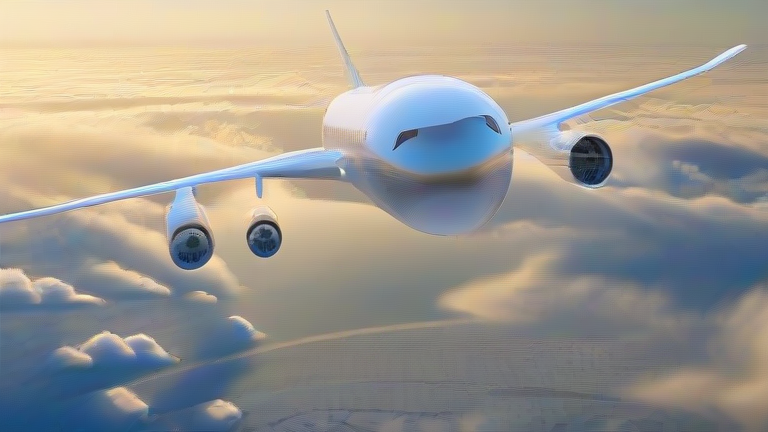
Sustainable Aviation Fuel Hits Mainstream: The Future of Flight
The aviation industry, long criticized for its carbon footprint, is undergoing a seismic shift. For decades, the promise of green flight remained a distant horizon, constrained by high costs and limited production capabilities. Today, that horizon has moved significantly closer. Sustainable Aviation Fuel (SAF) is no longer a niche experiment; it is rapidly becoming a standard component of the global fuel supply chain. This transition marks a critical milestone in the industry’s ambitious goal to achieve net-zero carbon emissions by 2050.
Technological Breakthroughs and Specifications
The latest generation of SAFs represents a leap forward in chemical efficiency and environmental impact. Unlike traditional fossil-based jet fuel, SAF is produced from renewable resources such as cooking oils, agricultural residues, municipal waste, and even captured carbon dioxide. The most prevalent type currently in use is the Hydroprocessed Esters and Fatty Acids (HEFA) pathway, which allows for a direct “drop-in” replacement. This means existing aircraft engines and infrastructure can utilize SAF without modification, provided it is blended within strict regulatory limits, currently capped at 50% for most commercial flights.
If you want to dig deeper, check out our guide on How AI Agents Automate Enterprise Workflows for Efficiency.
However, the real innovation lies in the emerging pathways, including Alcohol-to-Jet (AtJ) and Power-to-Liquid (PtL). These advanced fuels offer superior energy density and can be used at higher blend ratios, potentially up to 100% in future engine certifications. Recent specifications show that these fuels can reduce lifecycle greenhouse gas emissions by up to 80% compared to conventional jet fuel. The chemical structure of SAF is remarkably similar to kerosene, ensuring consistent performance in extreme altitudes and temperatures, thereby alleviating safety concerns that previously hindered adoption.
Industry Impact and Economic Shifts
The commercialization of SAF is reshaping the economic landscape of aviation. Major carriers are signing long-term offtake agreements with fuel producers, driving down costs through economies of scale. Airlines like United, Delta, and Lufthansa have already launched commercial flights powered entirely by SAF, proving its viability
Leave a Reply