Space Tourism: Civilian Suborbital Flights
The dream of leaving Earth’s atmosphere has transitioned from science fiction to a tangible commercial reality. Suborbital space tourism, once a distant fantasy reserved for elite astronauts, is now becoming accessible to high-net-worth individuals and, gradually, the broader public. This burgeoning industry represents a significant technological leap, democratizing access to the cosmos through reusable launch vehicles designed specifically for short-duration missions. Unlike orbital tourism, which requires sustained high velocity to maintain orbit, suborbital flights offer a unique blend of high-speed acceleration, weightlessness, and the iconic “overview effect,” all within a timeframe of mere minutes.
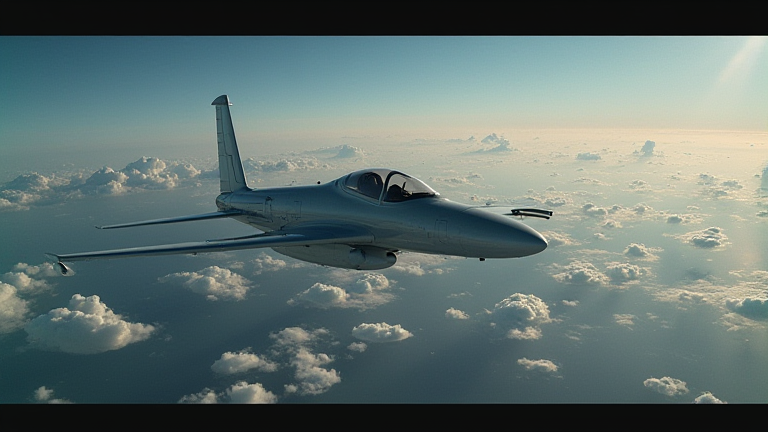
Leading this charge are companies like Blue Origin and Virgin Galactic. Blue Origin’s New Shepard rocket is a fully reusable, two-stage vehicle designed to carry a crew capsule to the Karman line, the internationally recognized boundary of space. The flight profile involves a vertical launch, coasting to an apogee of approximately 100 kilometers, and returning via parachutes and retro-thrusters for a gentle landing. Meanwhile, Virgin Galactic’s SpaceShipTwo is an air-launched spaceplane. It rides piggyback on a carrier aircraft to high altitude before releasing its rocket-powered glider. This method offers greater flexibility in launch timing and location, though the flight path differs significantly from traditional rocketry. Both approaches prioritize safety and reusability, aiming to reduce costs and increase flight frequency.
If you want to dig deeper, check out our guide on 10 Simple Lifestyle Habits to Boost Your Daily Energy and Ha.
Recent developments highlight the industry’s shift from prototype testing to regular commercial operations. Blue Origin has conducted numerous crewed test flights, successfully deploying civilians into space and returning them safely. Virgin Galactic has also completed multiple suborbital hops with civilian passengers, refining its operational procedures and safety protocols. These milestones are crucial for building regulatory frameworks and public trust. The specifications of these vehicles are impressive: New Shepard can accelerate passengers to Mach 3, while SpaceShipTwo reaches Mach 2.9. The experience typically includes several minutes of weightlessness, during which passengers can float freely, view the curvature of the Earth, and observe the blackness of space.

The impact on the aerospace industry is profound. These commercial ventures are driving innovation in materials science, propulsion systems
Leave a Reply