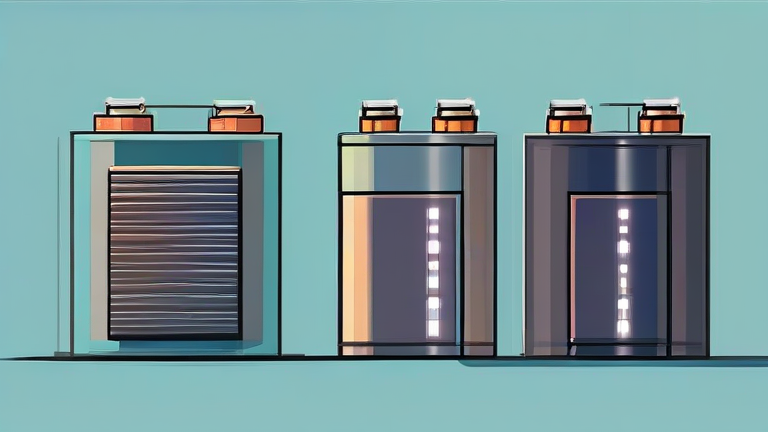
Solid-State Batteries: Revolutionizing EV Range & Safety
Electric vehicles are rapidly transforming the automotive landscape, yet traditional lithium-ion batteries face inherent limitations regarding energy density and thermal stability. Solid-state batteries (SSBs) represent the next evolutionary leap, replacing liquid electrolytes with solid materials. This guide outlines the fundamental principles behind this technology and provides actionable insights for enthusiasts, engineers, and investors interested in understanding how this innovation promises to double EV range while eliminating fire risks.
Step 1: Understand the Core Architecture
Begin by grasping the fundamental structural difference. Unlike conventional batteries that rely on flammable liquid or gel electrolytes to transport ions between the anode and cathode, SSBs utilize a solid electrolyte. This solid medium can be ceramic, glass, or polymer-based. The primary advantage is that solid materials are generally non-flammable, drastically reducing the risk of thermal runaway. Furthermore, the solid state allows for the use of lithium metal anodes, which offer significantly higher specific capacity than the graphite anodes used in current technology. This shift is the key to unlocking greater energy density, meaning more power stored in the same physical space.
If you want to dig deeper, check out our guide on How AI Agents Automate Enterprise Workflows for Efficiency.
Step 2: Evaluate Material Selection Criteria
Selecting the right electrolyte material is crucial for performance. Oxide-based ceramics offer high ionic conductivity but are rigid and prone to cracking. Sulfide-based electrolytes provide excellent conductivity but are sensitive to moisture, requiring strict manufacturing environments. Polymer electrolytes are flexible and easier to manufacture but suffer from lower conductivity at room temperature. When assessing SSB technology, prioritize materials that balance ionic conductivity with mechanical stability. Look for advancements in composite electrolytes, which aim to combine the best properties of different material classes to create a robust, high-performance energy storage solution.
Step 3: Assess Manufacturing Scalability
While the science is promising, mass production remains a challenge. Current manufacturing processes for SSBs are expensive and complex. To support this revolution, focus on
Leave a Reply