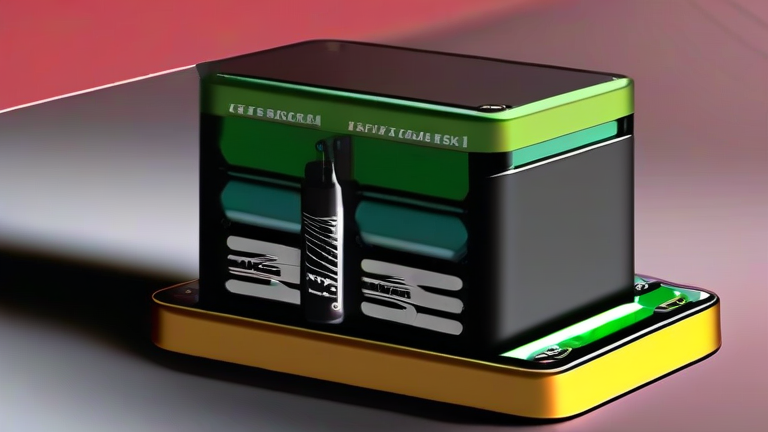
TL;DR: Solid-state batteries are finally entering consumer devices and early EVs, swapping liquid electrolytes for a solid ceramic or polymer core to boost energy density and safety. For your health, this means longer-lasting wearables and phones with less heat exposure, but you won’t need to change your daily charging habits—just avoid extreme temperatures and use reputable chargers.
The Quiet Revolution in Your Pocket
After a decade of lab breakthroughs, solid-state batteries (SSBs) have crossed into mass production for small electronics, with automotive versions rolling out by 2026. Unlike lithium-ion cells, SSBs use a solid electrolyte, which eliminates flammable liquid leaks and reduces the risk of thermal runaway—the root cause of rare but dangerous battery fires. For your personal wellness, the immediate benefit is less device heat against your skin during charging and use, lowering the low-grade thermal stress linked to skin irritation and sleep disruption when you keep your phone on your nightstand.
If you want to dig deeper, check out our guide on Brain-Computer Interfaces: Achieve Seamless Neural Communica.
Health-First Charging Habits
Even with safer chemistry, your behavior matters more than the battery type. Science shows that lithium plating and internal stress increase when cells are charged below 20% or above 80% repeatedly. SSBs tolerate this better, but you still want to avoid overnight trickle charging to 100%—it generates unnecessary heat and accelerates chemical aging. Instead, charge your phone or earbuds to 80% before bed, and unplug once full. For wearables like smartwatches, use the “optimized charging” feature that pauses at 80% until your morning alarm. This reduces heat exposure against your wrist, which can aggravate eczema or contact dermatitis in sensitive individuals.
Lifestyle Tips for Longevity and Safety
First, never leave SSB-powered devices under a pillow or direct sunlight. While solid electrolytes are non-flammable, excessive external heat (above 60°C/140°F) can still degrade the electrode interface, shortening battery life and causing mild off-gassing in rare cases. Second, use only the charger that came with your device or a certified USB-PD charger. Cheap third-party chargers can deliver unstable voltage, which stresses the solid electrolyte and may cause micro-cracks over time. Third, for your mental health, stop obsessing over battery percentage—SSBs hold 20–30% more charge per gram, so you’ll get 1.5–2 days of typical phone use. That freedom reduces “range anxiety” and the compulsive checking behavior linked to smartphone stress.
Finally, when your device finally needs replacement, recycle it properly. SSBs contain less cobalt and no liquid electrolyte, making them easier to recycle, but they still contain lithium and nickel. Check your local e-waste program—a responsible disposal prevents heavy metal exposure to soil and water, protecting community health. As SSBs scale, expect lighter laptops and safer e-bikes, but your core routine—moderate charging, cool storage, and mindful use—remains your best health insurance.
FAQ
Q: Do solid-state batteries emit less electromagnetic radiation than lithium-ion?
A: No. Battery chemistry does not affect radiation—both types emit the same low-level non-ionizing RF from the device’s antenna, not the battery. Keep your phone 10 cm from your head for calls if you’re worried, but SSBs don’t change that.
Q: Can I charge a solid-state battery faster without harming it?
A: Yes, most SSBs accept 5C fast charging (5–10 minutes for a full charge) without significant degradation, because the solid electrolyte resists dendrite growth. However, for your battery’s long-term health, limit fast charging to when you truly need it—frequent high-current charging still adds wear to the anode.
Q: Will solid-state batteries fix the “swollen battery” problem in laptops?
A: Mostly, yes. Swelling comes from gas buildup from liquid electrolyte decomposition—that process is eliminated in SSBs. But physical damage (dropping your laptop) can still crack the solid electrolyte, so use a padded sleeve. Expect no swelling
Leave a Reply