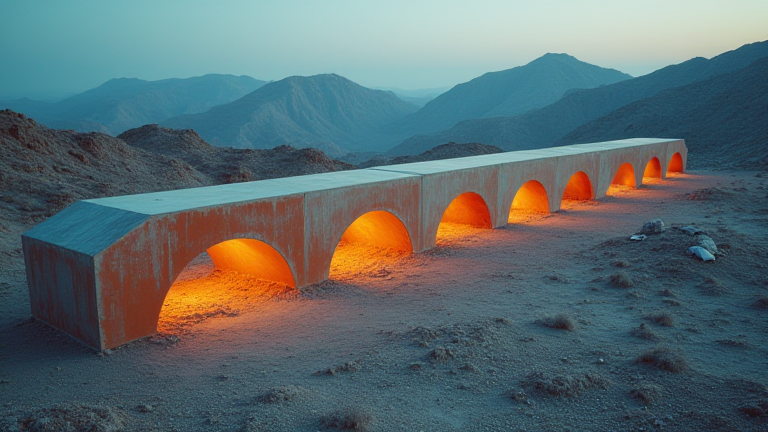
TL;DR: The Solar Wall of China transforms barren desert landscapes into vibrant renewable energy hubs while simultaneously restoring degraded ecosystems. This innovative approach proves that large-scale green infrastructure can coexist with environmental conservation and local community development.
Where Sunlight Meets Sand
Stepping onto the vast expanse of the Gobi Desert, one might expect the harsh glare of the sun and the relentless scorching heat. Instead, travelers are greeted by a shimmering, infinite grid of photovoltaic panels stretching toward the horizon. This is not merely an industrial facility; it is a testament to human ingenuity harmonizing with nature. The “Solar Wall” project in Inner Mongolia represents a paradigm shift in how we view renewable energy infrastructure. It is no longer just about generating electricity; it is about revitalizing the land itself.
If you want to dig deeper, check out our guide on Space Tourism Expands to Orbital Hotels.

Culturally, this initiative resonates deeply with the traditional Chinese philosophy of living in harmony with nature. Local communities, once displaced by desertification, are now finding new roles as caretakers of these solar farms. Farmers have transitioned from struggling against the encroaching sand to cultivating crops in the shaded areas beneath the panels. This unique microclimate allows for the growth of drought-resistant plants and medicinal herbs, creating a new local economy based on sustainability.
A Journey of Personal Growth
For the modern traveler, visiting such a site offers a profound perspective on personal growth and responsibility. Witnessing the transformation of a lifeless wasteland into a productive, green zone challenges our preconceived notions of progress. It invites us to reflect on our own consumption habits and the impact of our choices on the environment. The food sourced from these oasis-like areas is often fresher and more sustainable, offering a delicious taste of this ecological restoration. Each meal becomes a celebration of resilience and innovation.
The experience is both humbling and inspiring. It reminds us that even in the most barren places, life can flourish if given the right support. The solar panels provide shade, reducing evaporation and allowing vegetation to take root. Birds return, insects pollinate, and the soil becomes fertile again. This holistic approach to energy production serves as a powerful metaphor for our own lives. Just as the desert blooms under the panels, our personal challenges can lead to unexpected growth and abundance when viewed through a lens of opportunity rather than limitation.
FAQ
Q: Where is the largest solar wall located?
A: The largest solar wall is located in the Gobi Desert in Inner Mongolia, China.
Q: How does it help the ecosystem?
A: The panels provide shade that reduces soil evaporation, allowing vegetation to grow and preventing desertification.
Q: Can tourists visit the site?
A: Yes, organized tours are available, offering educational experiences about renewable energy and sustainable agriculture.
Leave a Reply