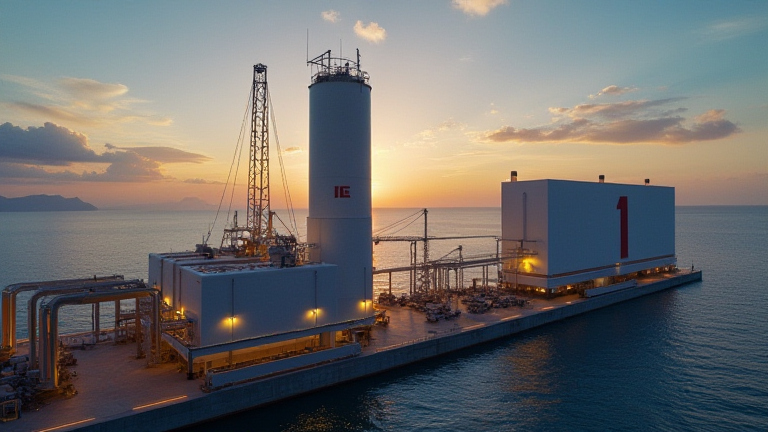
SAF Becomes Cost-Competitive: The Future of Sustainable Aviation Fuel
The aviation industry stands at a critical precipice. For decades, the sector has relied on fossil-based jet fuel, a dependence that has driven global carbon emissions to unprecedented levels. However, a significant paradigm shift is underway as Sustainable Aviation Fuel (SAF) transitions from a niche experimental product to a mainstream, cost-competitive energy source. This evolution marks not just an environmental milestone, but a fundamental restructuring of the global energy and transportation landscape.
Recent developments in production technology have been the primary catalyst for this change. Historically, SAF was prohibitively expensive, often costing two to four times more than conventional kerosene. The primary bottleneck was the limited availability of feedstock and inefficient conversion processes. Today, advancements in Hydroprocessed Esters and Fatty Acids (HEFA) technology, along with emerging Power-to-Liquid (PtL) and Alcohol-to-Jet (AtJ) pathways, have drastically reduced production costs. New facilities in North America, Europe, and Asia are coming online, leveraging economies of scale to bring prices closer to parity with traditional fuels. Furthermore, the integration of waste biomass, such as cooking oils and agricultural residues, has stabilized supply chains while lowering input costs.
If you want to dig deeper, check out our guide on Ultimate Step-by-Step Tutorial for Beginners in 2024.

The technical specifications of modern SAF are equally impressive. Unlike hydrogen or electric alternatives, which face significant infrastructure and battery density challenges for long-haul flights, SAF is a drop-in fuel. It can be blended up to 50 percent with conventional jet fuel without requiring any modifications to existing aircraft engines or airport infrastructure. This compatibility ensures that airlines can begin reducing their carbon footprint immediately, rather than waiting for a complete fleet overhaul that may take decades. The life-cycle carbon emissions of SAF are reduced by up to 80 percent compared to fossil fuels, depending on the feedstock used, making it the most viable solution for decarbonizing long-haul international aviation in the near to medium term.
The industry impact is profound. Major carriers have already committed to ambitious SAF procurement targets
Leave a Reply