
Remote Work Mandates: Why Companies Are Returning to Offices
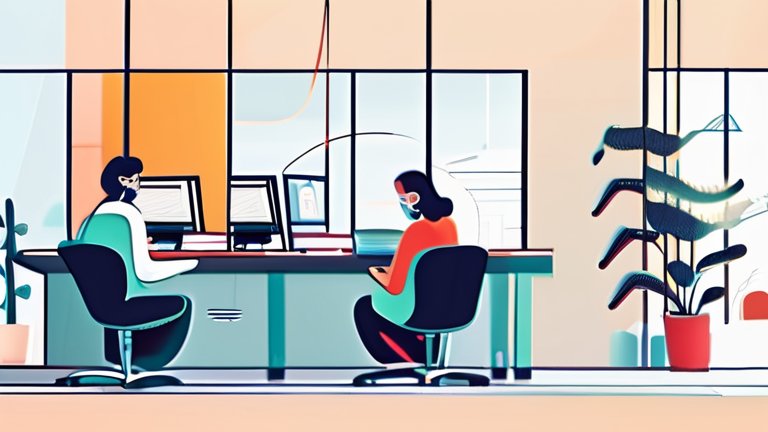
The narrative surrounding remote work has undergone a seismic shift in the last eighteen months. What was once hailed as the ultimate perk of the modern professional era is now being scrutinized through the lens of productivity, culture, and innovation. As major tech giants and financial institutions begin to reinstate mandatory return-to-office (RTO) policies, we must ask: Is this a step backward, or a strategic correction? This review analyzes the “Office Renaissance” toolset—a suite of hybrid management platforms and ergonomic office solutions designed to make the physical workplace indispensable again.
The primary driver for this corporate pivot is not nostalgia, but the measurable decline in spontaneous innovation. While remote tools like Slack and Zoom excel at task management, they struggle with the “watercooler effect.” The new wave of office infrastructure focuses on bridging this gap. Key features of the modern hybrid office package include smart booking systems for hot-desking, advanced acoustic privacy pods, and integrated video conferencing walls that make remote attendees feel present rather than like participants in a second-tier meeting. These features are not merely amenities; they are critical infrastructure for maintaining team cohesion.
When compared to the early days of the pandemic home office setup, the difference is stark. Previous remote mandates relied heavily on individual responsibility and personal discipline. The new model relies on structured collaboration. For instance, consider the comparison between a standalone laptop setup at home versus a centralized hub equipped with dual monitors, noise-canceling headsets, and high-bandwidth connectivity. The latter reduces cognitive load associated with technical glitches and creates a psychological boundary between work and rest. This distinction is crucial for preventing burnout, a growing epidemic among fully remote workers who struggle to “log off.”
However, the transition is not without friction. Employees valued the autonomy of remote work, and forcing a return can lead to talent attrition. Companies that succeed in this transition are those that offer flexibility rather than rigidity. The best hybrid models allow for three days in the office and two days at home, ensuring that the office is reserved for collaborative, creative, and social activities, while remote days are dedicated to deep, focused
Leave a Reply