
Remote Work Mandates Hybrid Office Models: Key Insights
The corporate landscape has undergone a seismic shift in recent years, moving away from rigid nine-to-five office attendance toward flexible, asynchronous work environments. However, as we navigate the post-pandemic era, a new trend has emerged: the mandate for hybrid office models. This article explores why companies are enforcing a return to the office for specific days and evaluates the tools and strategies that make this transition successful for both employees and employers.
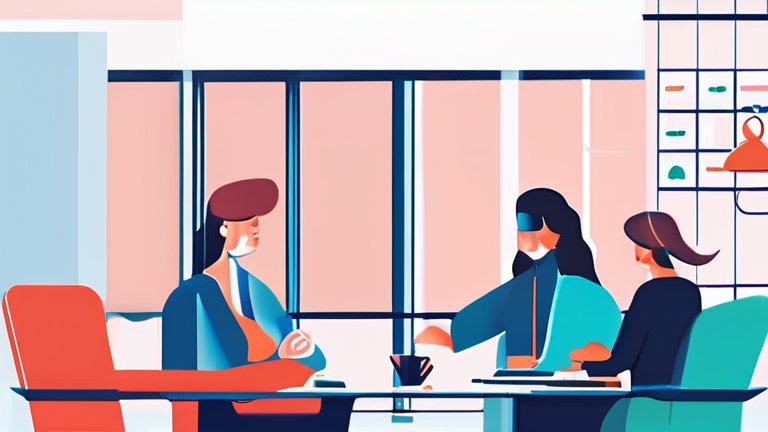
If you want to dig deeper, check out our guide on How AI Agents Automate Enterprise Workflows for Efficiency.
The Rise of the Hybrid Mandate
While many organizations initially embraced full remote work, recent data suggests a significant drop in employee collaboration and innovation metrics. Consequently, major tech firms and financial institutions are now mandating a hybrid approach, typically requiring employees to be in the office two to three days a week. This shift is not merely about oversight; it is about fostering spontaneous interactions, mentoring junior staff, and maintaining company culture. However, this mandate comes with challenges, including increased commute times and potential burnout from context-switching between home and office settings.
Feature Highlights of Essential Hybrid Tools
To succeed in a hybrid environment, organizations must invest in robust digital infrastructure. The following features are critical for seamless operations:
- Universal Meeting Compatibility: Platforms must support high-quality video, audio, and screen sharing for both in-room and remote participants equally. Features like noise cancellation and virtual backgrounds are now standard expectations.
- Integrated Project Management: Tools that combine task tracking, document collaboration, and communication reduce the need for endless email chains. Real-time updates ensure that remote workers are always in sync with their on-site colleagues.
- Smart Scheduling Algorithms: Advanced booking systems help coordinate office space, ensuring that teams are present on the same days to maximize face-to-face interaction time.
Comparing Traditional vs. Hybrid Models
Traditional office models often suffer from present
Leave a Reply