
TL;DR: Regenerative agriculture is accelerating its adoption through the integration of precision IoT sensors, AI-driven soil health analytics, and satellite imagery, transforming traditional farming into a data-centric practice. This technological shift is reshaping supply chain transparency, enhancing carbon sequestration capabilities, and driving significant economic value for early-adopting agribusinesses.
The Digital Transformation of Soil Health
The intersection of biology and technology is rapidly redefining sustainable farming. Once a niche movement, regenerative agriculture is now a cornerstone of modern agtech innovation. Farmers are no longer relying solely on intuition or manual labor; instead, they are deploying sophisticated digital tools to monitor and enhance ecosystem health. The latest developments center on real-time data acquisition, allowing for granular management of soil microbiomes, water retention, and carbon storage levels.
If you want to dig deeper, check out our guide on Top 5 Emerging Trends Shaping 2024: What You Need to Know.
Key trends include the widespread adoption of multi-spectral drones and ground-based IoT sensors. These devices collect hyper-local data on nitrogen levels, moisture content, and organic matter decomposition rates. This data is fed into machine learning algorithms that predict optimal planting schedules, fertilizer application, and cover crop strategies. The result is a closed-loop system where every input is optimized for maximum ecological benefit and minimal waste. For instance, variable rate technology (VRT) now adjusts seed and chemical application rates dynamically across a single field, reducing costs by up to fifteen percent while improving yield stability.
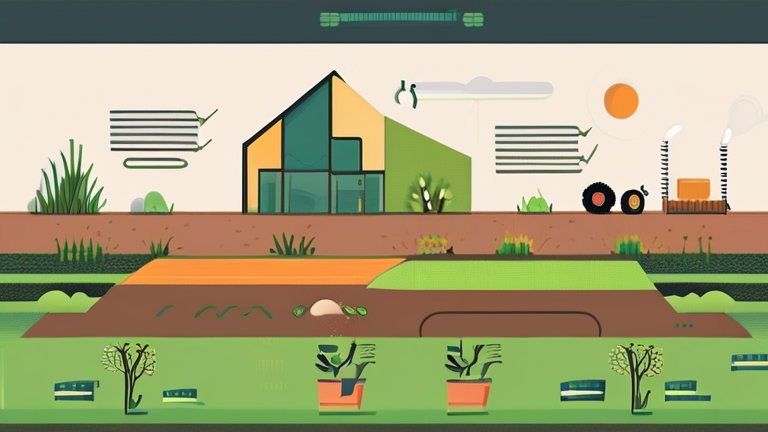
Industry Impact and Economic Shifts
The impact on the broader industry is profound. Major food corporations are integrating regenerative metrics into their procurement criteria, creating a premium market for sustainably produced goods. Investors are increasingly viewing soil health data as a critical asset class, driving capital toward startups that offer carbon credit verification platforms. This financial incentive accelerates the transition from conventional monocultures to diverse, resilient agroecosystems. Furthermore, the standardization of soil health metrics is fostering trust between farmers, consumers, and regulators, establishing a new baseline for accountability in the global food supply chain. As these technologies become more accessible, smallholder farmers in developing regions are also benefiting from mobile-based advisory services, leveling the playing field and promoting global food security.
FAQ
Q: What is the primary role of AI in regenerative agriculture?
A: AI analyzes complex datasets from sensors and satellites to optimize planting, watering, and fertilizing, ensuring maximum ecological efficiency and yield.
Q: How does this technology affect carbon credits?
A: Digital monitoring provides verifiable, real-time data on carbon sequestration, allowing farmers to accurately quantify and sell carbon credits to corporations seeking net-zero goals.
Q: Is this technology accessible to small-scale farmers?
A: Yes, mobile apps and affordable IoT devices are making these tools increasingly accessible, offering advisory services that help smallholders adopt sustainable practices efficiently.
Leave a Reply