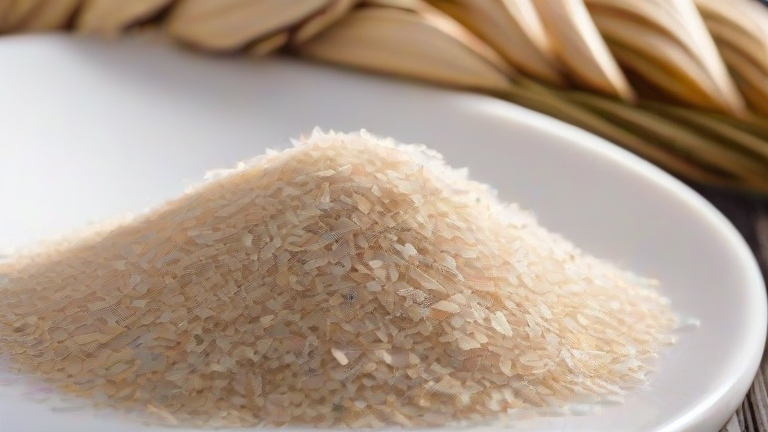
TL;DR: No, psyllium husk is not a direct substitute for Ozempic, as they work through entirely different physiological mechanisms. While it supports weight management by promoting satiety, it does not mimic the potent GLP-1 receptor agonism of prescription medications.
The Fiber Frontier: A Sustainable Path to Wellness
In an era dominated by quick fixes and pharmaceutical shortcuts, the allure of a “natural Ozempic” is undeniably strong. We live in a culture obsessed with rapid transformation, often seeking external solutions for internal imbalances. However, true personal growth and sustainable health rarely come from a single pill or powder. Enter psyllium husk, a humble fiber source derived from the Plantago ovata plant. For decades, it has been a staple in holistic health circles, celebrated not for its ability to halt appetite hormones, but for its profound capacity to support digestive harmony and metabolic balance.
Unlike Ozempic, which mimics a hormone to signal fullness to the brain, psyllium husk operates mechanically. When mixed with water, it forms a viscous gel in the stomach. This gel expands, physically creating a sense of fullness that can help curb overeating. It is a gentle, non-invasive approach to weight management that prioritizes long-term gut health over short-term restriction. The cultural shift toward natural remedies is significant. People are increasingly looking to their pantry rather than their prescription pad, seeking ingredients that nourish rather than just suppress. This movement reflects a deeper desire for autonomy over one’s health journey, empowering individuals to make informed choices about what they consume.
Food plays a central role in this narrative. Incorporating psyllium into your daily routine does not require a drastic lifestyle overhaul. It can be easily added to smoothies, oatmeal, or baked goods. The key is consistency and hydration. Because it absorbs so much liquid, drinking adequate water throughout the day is crucial to prevent discomfort. This simple act of mindful consumption aligns with the broader philosophy of slow living. It encourages us to slow down, listen to our bodies, and appreciate the subtle benefits of natural ingredients. While it may not offer the dramatic weight loss seen with newer drugs, the cumulative effect of improved digestion, regularity, and sustained energy is transformative. It is about building a foundation of health that supports you for years, not just weeks.
FAQ
Q: Can psyllium husk replace Ozempic for diabetes management?
A: No, it cannot replace prescription medication. While it helps regulate blood sugar spikes after meals, it is not a substitute for medically supervised diabetes treatment.
If you want to dig deeper, check out our guide on Is Psyllium Husk Nature’s Ozempic? Expert Verdict Inside.
Q: How much psyllium husk should I take daily?
A: Most experts recommend starting with one teaspoon (5 grams) once or twice daily, gradually increasing to avoid bloating, while ensuring you drink plenty of water.
Q: Are there any side effects of using psyllium husk?
A: Common side effects include gas and bloating, especially when starting. It is important to increase intake slowly and maintain high fluid intake to prevent constipation.
Leave a Reply