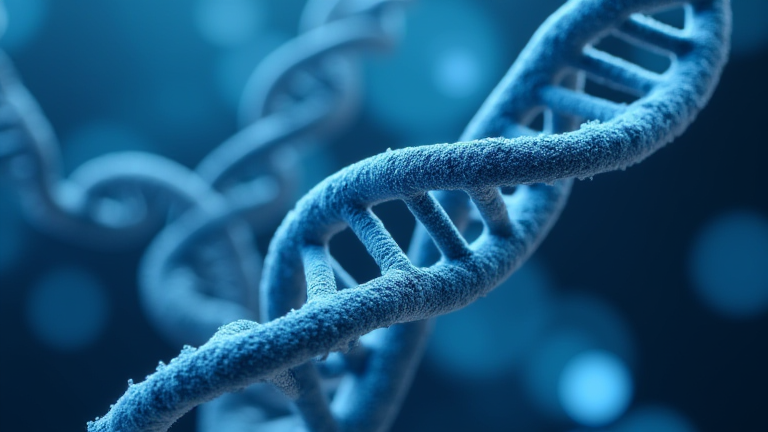
Personalized mRNA Cancer Vaccines: Breakthroughs & Future Promise
TL;DR: Personalized mRNA cancer vaccines represent a revolutionary leap in oncology by training the immune system to recognize specific tumor mutations, significantly improving survival rates in clinical trials. This technology, when combined with immune checkpoint inhibitors, offers a highly targeted, less toxic alternative to traditional chemotherapy for many advanced cancers.
The landscape of cancer treatment is undergoing a seismic shift, driven by the rapid maturation of personalized mRNA vaccines. Unlike traditional chemotherapy, which indiscriminately attacks rapidly dividing cells, causing severe side effects, mRNA vaccines function by educating the body’s own defense system. Scientists identify the unique neoantigens—specific proteins expressed on a patient’s tumor cells that are absent in healthy tissue—and design an mRNA sequence to encode these antigens. When administered, this vaccine instructs the patient’s cells to produce these specific proteins, effectively flagging the cancer cells for destruction by T-cells.
If you want to dig deeper, check out our guide on 10 Best Memory Foam Pillows for Neck Pain, Tested by Side Sl.
Understanding the Mechanism
Recent breakthroughs, such as those observed in melanoma and pancreatic cancer trials, have demonstrated that these vaccines can induce robust immune responses. The key advantage lies in personalization. Every tumor is a unique genetic fingerprint. By sequencing a patient’s tumor DNA, researchers can identify the most immunogenic mutations. This precision minimizes off-target effects and maximizes therapeutic impact. Furthermore, these vaccines are often used in conjunction with immune checkpoint inhibitors, which remove the “brakes” from the immune system, allowing the newly educated T-cells to attack the tumor more effectively. This synergistic approach has shown promise in preventing recurrence after surgery, a critical area where current treatments often fail.
Science-Backed Lifestyle Support
While medical innovation drives treatment, lifestyle choices remain crucial for supporting immune function during and after therapy. A gut-healthy diet is paramount, as the microbiome plays a significant role in modulating immune response. Incorporating diverse sources of fiber, such as legumes, whole grains, and fermented foods like yogurt or kimchi, can enhance the efficacy of immunotherapies. Patients should aim for a plant-rich diet high in antioxidants to combat oxidative stress, while maintaining adequate protein intake to support tissue repair and immune cell production. Hydration is equally vital, as it helps the body efficiently remove metabolic waste and supports overall cellular function.
Physical activity also plays a dual role. Moderate exercise, such as brisk walking or swimming for thirty minutes daily, has been linked to improved immune surveillance and reduced inflammation. It helps maintain muscle mass and metabolic health, which are often compromised by cancer and its treatments. However, patients must consult their oncology team before starting new regimens, as individual tolerance varies. Mental well-being is another critical pillar; chronic stress elevates cortisol levels, which can suppress immune activity. Practices such as mindfulness meditation, deep breathing exercises, and adequate sleep hygiene are essential for managing the psychological burden of cancer treatment and supporting the body’s natural healing processes.
Future Promise and Challenges
Despite the promising results, challenges remain. Manufacturing these personalized vaccines requires rapid turnaround times, necessitating advanced computational tools and streamlined production facilities. Cost and accessibility are also significant hurdles, as the current process is expensive and labor-intensive. Future research is focused on automating the design process and expanding the application to other cancer types, including lung and colorectal cancers. As data accumulates, we may see these vaccines integrated into standard care protocols, offering hope for long-term remission and potentially even functional cures for patients who previously had limited options.
FAQ
Q: Are personalized mRNA vaccines available for all types of cancer?
A: Currently, they are primarily being tested in advanced clinical trials for melanoma and pancreatic cancer, though research is expanding to other solid tumors.
Q: What are the common side effects of these vaccines?
A: Side effects are generally mild and similar to traditional vaccines, including injection site pain, fatigue, and fever, which are typically short-lived.
Q: How long does the manufacturing process take?
A: The process is rapidly improving, with current estimates suggesting it
Leave a Reply