Blog

  • Real-Time Biofeedback in Mental Health Apps

    Real-Time Biofeedback in Mental Health Apps

    TL;DR: Real-time biofeedback in mental health apps is transforming passive tracking into active intervention by using wearable sensors to monitor physiological signals like heart rate variability. This technology enables immediate, personalized coping strategies, significantly enhancing therapeutic outcomes and user engagement in digital mental healthcare.

    The Convergence of Biology and Digital Therapy

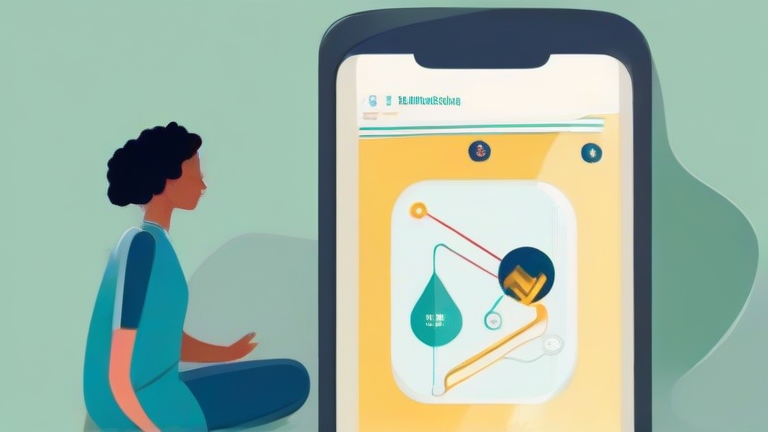
    The mental health technology sector is undergoing a paradigm shift. Moving beyond simple mood journaling and cognitive behavioral therapy exercises, the industry is rapidly integrating real-time biofeedback. This technology leverages data from wearable devices—such as smartwatches and chest straps—to monitor physiological markers like heart rate, skin conductance, and respiration patterns. By analyzing these biomarkers continuously, applications can detect early signs of anxiety or stress episodes before the user consciously perceives them.

    Market analysis indicates robust growth in this niche. According to recent industry reports, the global mental health apps market is projected to reach $12.9 billion by 2027, with biofeedback-integrated solutions accounting for a significant portion of this expansion. Investors are increasingly interested in platforms that offer objective, measurable data rather than subjective self-reports. This shift addresses a critical gap in traditional therapy: the lack of immediate, in-the-moment support during acute distress.

    Expert Insights on Efficacy

    Dr. Elena Ross, a leading researcher in digital psychiatry, notes, “The power of biofeedback lies in its ability to close the loop between physiological arousal and psychological intervention. When an app detects elevated heart rate variability indicative of stress, it can instantly guide the user through breathing exercises. This immediate feedback loop reinforces self-regulation skills more effectively than delayed post-session analysis.”

    However, challenges remain. Data privacy concerns are paramount, as physiological data is highly sensitive. Developers must ensure robust encryption and clear consent mechanisms. Furthermore, algorithmic accuracy varies among devices, requiring rigorous validation studies to prevent false positives that could cause unnecessary alarm.

    Future Predictions

    Looking ahead, the integration of artificial intelligence will refine predictive capabilities. Machine learning models will personalize intervention strategies based on individual physiological baselines. We anticipate a future where mental health apps serve as proactive partners in wellness, offering preemptive guidance rather than reactive support. This evolution will likely lead to deeper integration with clinical care systems, allowing therapists to access real-time data to tailor treatment plans. As wearable technology becomes more sophisticated, the distinction between physical and mental health monitoring will blur, fostering a holistic approach to well-being.

    FAQ

    Q: What is real-time biofeedback?
    A: It is a technology that monitors physiological signals like heart rate and skin conductance to provide immediate feedback and interventions for stress or anxiety.

    If you want to dig deeper, check out our guide on How Digital Identity Laws Are Reshaping Privacy.

    Q: Which devices support biofeedback features?
    A: Most modern smartwatches, fitness trackers, and specialized chest straps can transmit data to compatible mental health applications.

    Q: Is biofeedback data secure?
    A: Reputable apps use encryption and comply with regulations like HIPAA, but users should always review privacy policies before sharing sensitive health data.


    Related Articles

  • How Digital Identity Laws Are Reshaping Privacy

    How Digital Identity Laws Are Reshaping Privacy

    TL;DR: New digital identity laws are shifting the paradigm from centralized data hoarding to decentralized, user-controlled verification, significantly enhancing individual privacy. This regulatory overhaul forces tech giants to adopt zero-knowledge proofs and blockchain architectures, fundamentally altering how personal data is stored and shared globally.

    The Rise of Self-Sovereign Identity

    The landscape of digital identity is undergoing a seismic shift driven by stringent regulations in the European Union, the United States, and Asia. Governments are no longer content with corporations holding the keys to personal data. Instead, they are mandating Self-Sovereign Identity (SSI) frameworks, where individuals hold their credentials in digital wallets rather than on corporate servers. This move is not merely theoretical; it is being codified into law through initiatives like the European Digital Identity Wallet, which aims to give citizens a secure, unified way to prove their identity online without exposing unnecessary personal details.

    If you want to dig deeper, check out our guide on Record Venture Capital Flows Into Climate Tech.

    Technical Specifications and Zero-Knowledge Proofs

    At the core of this transformation are advanced cryptographic methods, specifically Zero-Knowledge Proofs (ZKPs). These protocols allow one party to prove to another that they know a value or meet a certain condition without conveying any information apart from the fact that they know the value. For instance, a user can prove they are over eighteen without revealing their exact birthdate or name. Recent legislative updates require financial institutions and healthcare providers to support these privacy-preserving technologies. The technical specifications now emphasize interoperability standards like W3C Verifiable Credentials, ensuring that digital IDs issued by one entity can be trusted by another across borders. This reduces the attack surface for data breaches, as sensitive information is no longer stored in centralized databases vulnerable to hackers.

    Industry Impact and Corporate Adaptation

    For the tech industry, compliance with these new laws is a massive operational challenge and an opportunity for innovation. Legacy identity providers are scrambling to retrofit their systems with decentralized identifiers (DIDs). Fintech companies are integrating biometric verification with blockchain ledgers to streamline Know Your Customer (KYC) processes while maintaining user anonymity. Major cloud providers are now offering privacy-enhancing technologies as a service, helping smaller enterprises meet regulatory demands without building complex infrastructure from scratch. The market is seeing a surge in startups focused on privacy-first identity solutions, attracting significant venture capital. As regulations tighten, companies that fail to adapt risk severe fines and loss of consumer trust. Ultimately, the reshaping of privacy laws is not just a legal hurdle but a catalyst for a more secure, user-centric digital ecosystem.

    FAQ

    Q: What is Self-Sovereign Identity?
    A: It is a digital identity model where individuals control their own data and share it selectively without relying on central authorities.

    Q: How do Zero-Knowledge Proofs work?
    A: They allow users to verify information, such as age or citizenship, without revealing the underlying data to the verifier.

    Q: Why are companies adopting blockchain?
    A: Blockchain provides a secure, immutable ledger for verifying digital credentials, reducing fraud and enhancing interoperability across platforms.

    Related Articles

  • Circular Economy Mandates: How to Reduce Plastic Waste

    Circular Economy Mandates: How to Reduce Plastic Waste

    TL;DR: To reduce plastic waste, businesses must transition from a linear “take-make-waste” model to a circular system that prioritizes designing out waste and keeping materials in use. By implementing strict material selection protocols, adopting reusable packaging systems, and investing in advanced recycling infrastructure, organizations can significantly lower their environmental footprint while complying with emerging regulatory mandates.

    Step 1: Audit Your Current Plastic Footprint

    Employee auditing plastic waste in a factory

    If you want to dig deeper, check out our guide on Wearable Health Monitors: Predict Heart Attacks Early.

    Begin by conducting a comprehensive lifecycle assessment of all plastic materials entering your supply chain. Identify every instance of single-use plastics, packaging, and byproducts. This data-driven approach reveals high-impact areas where reduction efforts will yield the greatest environmental and financial returns. Document volumes, types, and disposal methods to establish a baseline for future improvements.

    Step 2: Redesign for Circularity

    Shift your product design philosophy to eliminate unnecessary plastic components. Collaborate with engineers to create durable, repairable, and recyclable products. Replace virgin plastics with recycled content or alternative biodegradable materials where feasible. Ensure that all remaining plastics are mono-material to simplify recycling processes. This strategic redesign minimizes waste generation at the source, adhering to the core principle of the circular economy.

    Step 3: Implement Reverse Logistics

    Workers sorting collected plastic bottles for recycling

    Establish robust take-back programs to collect used products and packaging from consumers. Create convenient drop-off points or partner with logistics providers for pickup services. Clean and sort collected materials to prepare them for remanufacturing or recycling. This closed-loop system ensures that materials remain in the economy, reducing the demand for new raw materials and diverting waste from landfills.

    Step 4: Partner with Certified Recyclers

    Work exclusively with recycling facilities that hold recognized certifications for processing plastic waste. Verify their capacity to handle specific polymer types and their transparency in reporting outcomes. Regularly audit their operations to ensure ethical and environmentally sound practices. Building strong partnerships with reliable recyclers guarantees that collected materials are processed correctly, maintaining the integrity of your circular economy initiatives.

    Step 5: Educate and Engage Stakeholders

    Train employees on proper waste segregation and circular economy principles. Launch customer awareness campaigns to encourage participation in take-back programs. Transparency in reporting progress builds trust and demonstrates commitment to sustainability goals. Engaging stakeholders at all levels fosters a culture of responsibility and innovation, essential for long-term success.

    FAQ

    Q: What is the primary benefit of transitioning to a circular economy?
    A: The primary benefit is the significant reduction of waste and resource extraction, leading to lower environmental impact and potential cost savings through material efficiency.

    Q: How can small businesses implement circular economy practices?
    A: Small businesses can start by auditing their supply chain, switching to reusable packaging, and partnering with local recycling centers to manage waste effectively.

    Q: Are there government incentives for adopting circular practices?
    A: Yes, many governments offer tax breaks, grants, and subsidies for companies that invest in sustainable technologies and reduce plastic waste.

    Related Articles

  • Remote Work Policies: Mandating Hybrid Flexibility

    Remote Work Policies: Mandating Hybrid Flexibility

    TL;DR: Mandating hybrid flexibility requires a structured framework that balances employee autonomy with operational cohesion, rather than enforcing rigid attendance rules. Successful organizations achieve this by defining core collaboration hours and outcome-based performance metrics, ensuring that remote work enhances productivity without sacrificing company culture.

    The landscape of modern business has undergone a seismic shift, moving away from the binary choice of fully remote or fully on-site models. Today, the dominant paradigm is hybrid flexibility, but not in the chaotic, unstructured way that many early adopters implemented it. Companies are now recognizing that true flexibility must be mandated through clear policies to prevent burnout, ensure equitable access to opportunities, and maintain a cohesive corporate identity. This article explores the market dynamics driving this change, strategic approaches to implementation, and real-world case studies that highlight the benefits of structured hybrid models.

    Market Analysis: The Demand for Structure

    Recent market data indicates that while employees desire flexibility, they also crave clarity. A survey by Gartner reveals that 75% of workers prefer a hybrid model, yet only 30% feel their current policy is clear and consistent. This disconnect creates operational inefficiencies and feelings of inequity among staff. The market is responding by moving from “freedom” to “frameworks.” Organizations that fail to mandate specific guidelines risk creating a two-tier system where in-office employees receive more mentorship and visibility than their remote counterparts. Furthermore, the rise of digital collaboration tools has normalized asynchronous work, allowing companies to mandate flexibility without mandating constant availability. This shift is not just about employee satisfaction; it is a strategic imperative to retain top talent in a competitive labor market. Companies that offer structured hybrid policies report higher retention rates and lower recruitment costs, making it a financially sound decision.

    Strategy Insights: Defining Core Hours

    Implementing a mandated hybrid policy requires a strategic approach that prioritizes outcomes over presence. One effective strategy is the definition of “core collaboration hours,” where all team members are expected to be available for meetings and synchronous communication, regardless of their physical location. This ensures that remote workers are not isolated from critical decision-making processes. Additionally, companies should adopt outcome-based performance metrics rather than tracking hours logged. This shift empowers employees to manage their schedules while ensuring that business goals are met. Training managers to lead distributed teams is also crucial. Managers must be equipped with the skills to foster inclusion, manage performance fairly, and facilitate team bonding in a virtual environment. By investing in leadership development, organizations can ensure that their hybrid policies are executed effectively and consistently across all departments.

    Case Studies: Learning from Leaders

    Several industry leaders have successfully implemented mandated hybrid policies. For instance, a major tech firm introduced a “3-2 model,” requiring employees to be in the office three days a week, with the specific days determined by team needs rather than individual preference. This approach ensured that teams remained cohesive while allowing for individual flexibility. Another case study involves a financial services company that mandated hybrid work but paired it with a robust digital infrastructure upgrade. This investment allowed for seamless collaboration between remote and on-site staff, reducing friction and enhancing productivity. These examples demonstrate that successful hybrid policies are not one-size-fits-all but require tailored solutions that align with the organization’s specific operational needs and cultural values.

    FAQ

    Q: What is the primary benefit of mandating hybrid flexibility?
    A: It ensures equitable access to opportunities and maintains operational cohesion by providing clear guidelines for all employees.

    If you want to dig deeper, check out our guide on How Personalized Health Data Drives Preventive Care.

    Q: How can companies measure performance in a hybrid model?
    A: By shifting from time-based tracking to outcome-based metrics that focus on results and project completion.

    Q: What role do core collaboration hours play in hybrid policies?
    A: They ensure synchronous communication and team connectivity, preventing remote workers from feeling isolated or excluded.

    Related Articles

  • Mental Health Apps Integrate with Wearables for Better Care

    Mental Health Apps Integrate with Wearables for Better Care

    TL;DR: Mental health apps now seamlessly integrate with wearables to provide real-time physiological data, enabling personalized and proactive care strategies. This integration allows users and therapists to track stress levels, sleep quality, and heart rate variability to enhance overall emotional well-being.

    The Convergence of Data and Emotion

    If you want to dig deeper, check out our guide on Sony WH-1000XM5 vs Bose QuietComfort Ultra Headphones.

    In the rapidly evolving landscape of digital health, the synergy between mental health applications and wearable technology has emerged as a game-changer. For years, users relied on manual journaling to track their emotional states, a method that was often subjective and prone to recall bias. Today, the integration of smartwatches and fitness bands with dedicated mental wellness platforms offers a more objective, data-driven approach to understanding mental health. This technological leap is not just about counting steps; it is about decoding the subtle physiological signals that accompany anxiety, stress, and depression.

    Feature Highlights: What Makes Them Work?

    Modern integrated apps utilize advanced biometric sensors to monitor Heart Rate Variability (HRV), skin temperature, and galvanic skin response. These metrics serve as early warning systems for mental distress. When an app detects a spike in stress indicators, it can prompt the user to engage in guided breathing exercises or mindfulness sessions immediately. Furthermore, sleep tracking has become a cornerstone of this integration. Poor sleep is closely linked to mental health degradation, and these apps analyze sleep patterns to offer tailored recommendations for improving rest, which in turn stabilizes mood and cognitive function.

    Comparing the Leading Platforms

    While many apps offer basic tracking, some stand out for their sophisticated integration capabilities. Calm and Headspace have partnered with major wearable brands to provide real-time insights, focusing heavily on meditation and relaxation techniques triggered by biometric data. In contrast, apps like Sanvello focus more on clinical tools, allowing therapists to access aggregated data from wearables to adjust treatment plans dynamically. The key differentiator lies in the depth of analysis; premium subscriptions often unlock deeper historical trends and personalized coaching based on long-term data, whereas free versions may only offer basic daily summaries. Users seeking comprehensive care should look for apps that allow secure data sharing with healthcare providers, ensuring a holistic approach to treatment.

    Embracing this technology does not replace professional help but rather complements it by providing continuous, actionable insights. By leveraging the power of wearables, individuals can take a more active role in their mental health journey, identifying triggers and managing symptoms with unprecedented precision. This shift from reactive to proactive care marks a significant milestone in the democratization of mental health support, making it more accessible and effective for millions of users worldwide.

    FAQ

    Q: Can wearable data replace a therapist?
    A: No, wearables provide supportive data and insights but cannot replace professional diagnosis or therapy.

    Q: Which wearables are compatible with mental health apps?
    A: Most major brands like Apple Watch, Fitbit, and Garmin offer varying levels of compatibility with leading mental health platforms.

    Q: Is my biometric data secure when shared with apps?
    A: Reputable apps use encryption and comply with privacy laws like HIPAA, but users should always review individual privacy policies.

    Related Articles

  • Mental Health Apps Integrating Biometric Data for Better Care

    Mental Health Apps Integrating Biometric Data for Better Care

    TL;DR: Mental health apps are increasingly integrating biometric data to provide objective, real-time insights into user well-being, moving beyond self-reported symptoms. This integration allows for personalized care plans and proactive interventions, significantly enhancing the efficacy of digital therapeutic solutions.

    The Rise of Bio-Feedback in Digital Therapy

    The landscape of digital mental health is undergoing a profound transformation. For years, the industry relied heavily on subjective user input—journals, mood trackers, and self-assessment quizzes. While valuable, these methods are prone to bias and recall errors. Today, a new wave of innovation is emerging, leveraging wearable technology and smartphone sensors to collect objective biometric data. This shift represents a pivotal moment for the industry, offering clinicians and users unprecedented visibility into physiological markers of stress, anxiety, and depression.

    If you want to dig deeper, check out our guide on Real-Time Biofeedback in Mental Health Apps: What You Need t.

    Market Analysis and Growth Drivers

    The global mental health technology market is projected to reach significant heights by 2030, driven largely by the convergence of mental health care and the Internet of Medical Things (IoMT). According to recent market reports, the segment dedicated to biofeedback and biometric integration is growing at a CAGR of over 25%. This surge is fueled by several key factors: the ubiquity of smartwatches, increased employer interest in employee wellness programs, and a post-pandemic awareness of mental health as a critical component of overall health. Investors are particularly interested in platforms that can demonstrate clinical validity through hard data rather than just user engagement metrics.

    Strategic Insights for Developers

    For companies looking to enter this space, strategy must pivot from simple tracking to actionable intelligence. The key is not just collecting heart rate variability (HRV) or sleep patterns, but interpreting them within a psychological context. Successful strategies involve partnerships with healthcare providers who can validate these algorithms. Furthermore, privacy remains a paramount concern. Developers must adopt “privacy by design” principles, ensuring that sensitive biometric data is encrypted and anonymized. Transparency about data usage builds trust, which is the currency of the mental health sector. Companies that fail to address these ethical considerations risk severe regulatory backlash and loss of user confidence.

    Case Studies in Innovation

    Several platforms are already leading the charge. For instance, a leading telehealth provider recently integrated Apple Watch data into its therapy sessions. Therapists could view a client’s stress spikes during specific times of day, allowing for more targeted cognitive behavioral therapy techniques. Another case involves a corporate wellness app that used passive voice analysis combined with typing speed metrics to detect early signs of burnout in employees, prompting automated mindfulness interventions before productivity dropped. These examples highlight the tangible benefits of moving from reactive to proactive care.

    FAQ

    Q: Is biometric data secure in mental health apps?
    A: Reputable apps use end-to-end encryption and comply with HIPAA and GDPR regulations to ensure that sensitive biometric information is protected from unauthorized access.

    Q: Do therapists need special training to interpret biometric data?
    A: Many platforms provide dashboards that translate raw data into easy-to-understand insights, but additional training helps clinicians correlate physiological spikes with specific emotional triggers.

    Q: Can biometric data replace traditional therapy?
    A: No, biometric data is a tool to enhance therapy by providing objective context, but it cannot replace the human empathy and complex dialogue essential to effective mental health treatment.

    Related Articles

  • Top 5 Tech Trends to Watch in 2026: Stay Ahead of the Curve

    Top 5 Tech Trends to Watch in 2026: Stay Ahead of the Curve

    TL;DR: The top five tech trends to watch in 2026 are generative AI integration, quantum computing advancements, sustainable technology, augmented reality in enterprise, and 6G research. These innovations are reshaping industries by enhancing efficiency, improving connectivity, and driving new business models.

    Generative AI Goes Mainstream

    While artificial intelligence has been a buzzword for years, 2026 marks the year generative AI moves from experimental labs to core business operations. Large Language Models (LLMs) are now being integrated directly into customer service platforms, coding environments, and creative suites. The latest iterations boast significantly improved reasoning capabilities, reduced hallucination rates, and multi-modal functionality that can process text, images, and audio simultaneously. Industry impact is profound, with enterprises reporting up to a 40% reduction in routine task completion times. However, this rapid adoption raises critical questions about data privacy, intellectual property rights, and the potential displacement of certain creative and administrative roles.

    If you want to dig deeper, check out our guide on Top 10 Trends Shaping 2026: What You Need to Know.

    Quantum Computing Breakthroughs

    Quantum computing is transitioning from theoretical physics to practical application, particularly in drug discovery and financial modeling. IBM and Google recently unveiled processors with over 1,000 qubits, a significant milestone that brings us closer to quantum supremacy in specific, useful tasks. Unlike classical bits, qubits can exist in multiple states simultaneously, allowing for exponential processing power gains for complex problems. The industry impact is expected to be most felt in cryptography, where new encryption standards are being developed to protect against future quantum attacks. While full-scale fault-tolerant quantum computers are still years away, the current hardware improvements are accelerating research in materials science and climate modeling.

    Sustainable Tech and Green Energy

    As climate change concerns intensify, technology is increasingly focused on sustainability. This includes the development of more efficient data center cooling systems, the use of AI to optimize energy grids, and the creation of biodegradable electronics. Spec-wise, new solid-state batteries promise twice the energy density of current lithium-ion batteries, potentially revolutionizing electric vehicle range and storage capacity. The industry impact is driven by both regulatory pressures and consumer demand for eco-friendly products. Companies are now required to disclose their carbon footprints, leading to a surge in “green tech” startups focused on carbon capture, renewable energy integration, and circular economy models for hardware.

    Augmented Reality in Enterprise

    Augmented Reality (AR) is shedding its gaming-centric image to become a vital tool in industrial training, remote assistance, and surgical planning. The latest AR headsets feature higher resolution displays, wider fields of view, and all-day battery life, making them viable for professional use. Microsoft’s HoloLens 2 and Apple’s Vision Pro are leading the charge, enabling workers to overlay digital information onto physical objects in real-time. This technology reduces errors in manufacturing and maintenance tasks, significantly lowering operational costs. The immersive nature of AR also enhances remote collaboration, allowing experts to guide on-site technicians through complex procedures as if they were present.

    6G Research and Development

    While 5G networks are still being rolled out globally, researchers are already laying the groundwork for 6G. Expected to launch in the early 2030s, 6G aims to provide terabit-speed connectivity, ultra-low latency, and seamless integration with AI. Early prototypes suggest the use of terahertz frequencies, which offer much higher bandwidth than current millimeter-wave bands. The industry impact will be transformative, enabling applications like holographic communications, autonomous swarm robotics, and digital twins of entire cities. Although commercial deployment is distant, the foundational research in 2026 is crucial for establishing standards and infrastructure that will support the next decade of digital innovation.

    FAQ

    Q: When will 6G networks be commercially available?
    A: 6G networks are expected to become commercially available in the early 2030s

    Related Articles

  • Personalized Nutrition via DNA Testing: The Ultimate Guide

    Personalized Nutrition via DNA Testing: The Ultimate Guide

    TL;DR: Personalized nutrition via DNA testing involves analyzing specific genetic markers to tailor your diet for optimal health, weight management, and disease prevention. By following a structured process of selection, testing, and interpretation, you can transform generic dietary advice into a precise, scientifically backed lifestyle plan.

    Understanding Your Genetic Blueprint

    Before diving into the technical steps, it is crucial to understand that DNA testing for nutrition is not about predicting your future with absolute certainty. Instead, it provides insights into how your body metabolizes fats, carbohydrates, and caffeine, as well as your predisposition to certain food intolerances. This knowledge empowers you to make informed decisions rather than relying on trial and error. The field of nutrigenomics is rapidly evolving, offering a personalized approach that traditional one-size-fits-all diets simply cannot match. By understanding your unique biological needs, you can optimize energy levels, improve digestion, and enhance overall wellness.

    If you want to dig deeper, check out our guide on 7 Science-Backed Health Habits to Boost Your Energy Today.

    Step-by-Step Guide to Getting Started

    Step 1: Research and Select a Reputable Provider
    Not all DNA kits are created equal. Look for companies that partner with certified genetic counselors or nutritionists. Read reviews and verify that the service offers detailed reports specifically focused on nutrition, not just ancestry. Ensure the company uses clinically validated markers and adheres to privacy standards like GDPR or HIPAA. A reliable provider will offer ongoing support and regular updates as new research emerges.

    Step 2: Collect Your Sample Correctly
    Once you receive your kit, follow the instructions meticulously. Most kits use a buccal (cheek) swab. Ensure your mouth is free of food and drink for at least 30 minutes prior to sampling. Gently rub the swab inside your cheek for the specified time, usually 30 to 60 seconds. Place the swab in the provided tube and seal it tightly. Avoid touching the tip of the swab to prevent contamination. Accuracy here is vital for obtaining a clear genetic profile.

    Step 3: Submit and Wait for Analysis
    Mail your sample back using the prepaid envelope. The analysis typically takes two to four weeks. During this time, the laboratory extracts your DNA and analyzes specific single nucleotide polymorphisms (SNPs) related to metabolic health. Patience is key, as thorough analysis ensures accuracy. You may receive interim emails regarding the status of your test.

    Step 4: Interpret and Implement Results
    When your report arrives, review it with a professional if possible. Focus on actionable insights, such as recommended macronutrient ratios, vitamin supplementation needs, and foods to limit. Create a meal plan that aligns with these genetic predispositions. Remember that lifestyle factors like exercise and sleep also play significant roles, so integrate this data into a holistic health strategy.

    Tips for Success

    Consistency is more important than perfection. Start by making one or two changes based on your results, such as reducing sodium if you are genetically sensitive to it. Keep a food journal to track how different foods affect your energy and digestion. Revisit your genetic data annually, as scientific understanding of nutrition continues to evolve. Stay hydrated and listen to your body’s signals, as individual responses can vary.

    FAQ

    Q: Is DNA testing for nutrition accurate?
    A: Yes, when performed by reputable companies using clinically validated markers, DNA testing provides reliable insights into how your body processes nutrients, though results should be combined with professional advice.

    Q: How long does it take to see results?
    A: While you receive your report in 2-4 weeks, noticeable changes in energy, digestion, or weight may take several weeks to months as you adjust your diet and lifestyle based on the genetic insights.

    Q

    Related Articles

  • 10 Simple Lifestyle Changes That Will Transform Your Life Today

    10 Simple Lifestyle Changes That Will Transform Your Life Today

    TL;DR: By integrating mindful morning routines, sustainable travel habits, and intentional local dining, you can immediately enhance your personal growth and daily fulfillment. These small, consistent adjustments create a ripple effect that transforms your overall lifestyle without requiring drastic overhauls.

    Embracing the Art of Slow Living

    In a world that constantly demands our speed and attention, the most revolutionary act is often to slow down. Transforming your life does not require moving to a remote mountain retreat or quitting your job. Instead, it begins with recognizing the power of intentionality in everyday moments. Consider your morning routine. Instead of reaching for your phone the second you wake up, try five minutes of silent reflection or gentle stretching. This simple shift sets a tone of calm that can endure throughout the day, reducing anxiety and increasing focus.

    Travel with Purpose

    Travel offers a profound opportunity for personal growth, but it requires a shift in perspective. Move beyond the checklist of tourist attractions and immerse yourself in the local culture. Engage with residents, learn a few phrases of the local language, and visit markets rather than malls. This approach not only enriches your understanding of the world but also fosters empathy and connection. When you travel with purpose, you return home with stories that matter, not just photos that impress. This cultural immersion becomes a mirror, reflecting back insights about your own life and values.

    The Culinary Connection

    Food is more than fuel; it is a cultural expression and a source of joy. Transform your relationship with food by focusing on quality over quantity. Choose to eat locally sourced ingredients, support small businesses, and cook meals at home more often. The act of preparing food mindfully can be a meditative practice, grounding you in the present moment. Additionally, sharing meals with friends and family strengthens social bonds, which are crucial for mental well-being. By savoring each bite and appreciating the source of your food, you cultivate gratitude and mindfulness.

    Consistency Over Intensity

    The key to lasting transformation is consistency. Small changes, when repeated daily, compound into significant results. Do not aim for perfection; aim for progress. Celebrate small victories, such as choosing a healthy snack or taking a walk instead of driving. These choices reinforce your identity as someone who values health, curiosity, and connection. As you integrate these practices, you will notice a shift in your mindset. You will feel more present, more connected, and more alive. Life is not a destination to be reached but a journey to be experienced fully. Start today, and watch as your life transforms, one simple change at a time.

    FAQ

    Q: How long does it take to see results from these lifestyle changes?
    A: While individual experiences vary, most people notice subtle improvements in mood and energy levels within the first two weeks of consistent practice.

    If you want to dig deeper, check out our guide on How AI Agents Automate Complex Enterprise Workflows.

    Q: Do I need to travel far to experience cultural immersion?
    A: No, you can explore cultural immersion in your own city by visiting local neighborhoods, attending community events, and trying authentic ethnic cuisines.

    Q: What is the most effective starting point for beginners?
    A: Starting with a mindful morning routine is often the most effective approach, as it establishes a positive foundation for the rest of your day.

    Related Articles

  • Metaverse Retail: Driving Social Commerce with Immersive Experiences

    Metaverse Retail: Driving Social Commerce with Immersive Experiences

    TL;DR: Metaverse retail drives social commerce by integrating immersive 3D shopping environments with real-time social interaction, allowing users to discover, try, and purchase products alongside friends. Brands must prioritize interoperable virtual assets and seamless payment gateways to convert these high-engagement experiences into tangible sales revenue.

    Building Your Virtual Storefront

    The first step in launching a successful metaverse retail strategy is selecting the right platform. Whether you choose established ecosystems like Roblox, Decentraland, or Fortnite, or build a proprietary Web3 space, ensure the platform aligns with your target demographic. Create a distinct brand identity that translates well into three-dimensional space. This involves designing a virtual storefront that reflects your physical brand aesthetics while leveraging unique spatial features. Use high-quality 3D modeling to create interactive product displays. Unlike traditional e-commerce, users should be able to rotate, zoom, and inspect items from every angle. Implement “try-before-you-buy” augmented reality features directly within the virtual environment. For example, allow users to visualize how a piece of furniture looks in their actual living room via their device camera, or try on digital fashion items on their avatar. This reduces purchase anxiety and increases conversion rates significantly.

    If you want to dig deeper, check out our guide on Top 10 Healthy Habits for Better Sleep and Energy in 2024.

    Integrating Social Interaction

    Social commerce thrives on community. To drive engagement, integrate real-time voice chat and avatar-to-avatar interaction features into your retail space. Host virtual fashion shows, product launches, or interactive workshops where influencers and customers can mingle. Encourage users to invite their friends, creating a network effect that amplifies brand visibility. Implement gamification elements such as loyalty points, exclusive digital skins, or NFT rewards for frequent visitors. These incentives keep users returning to your virtual store. Furthermore, allow users to share their virtual shopping experiences on external social media platforms. Enable easy sharing of custom avatars or purchased items to Instagram or TikTok. This user-generated content serves as powerful organic marketing, attracting new audiences to your metaverse presence.

    Optimizing the Purchase Journey

    Seamless transaction mechanics are crucial. Ensure your payment gateway supports both fiat currency and cryptocurrencies to cater to a broad audience. Minimize friction by saving user preferences and payment details securely. Provide instant digital delivery of purchased items, whether they are wearable assets for avatars or physical goods shipped to real-world addresses. Offer hybrid models where buying a virtual item unlocks discounts on physical counterparts. This bridges the gap between digital engagement and real-world revenue. Train your customer support team to handle inquiries specific to virtual assets, such as compatibility issues or digital ownership rights. Clear communication builds trust, which is essential in the nascent metaverse economy.

    Measuring Success and Iterating

    Track key performance indicators such as average session duration, social shares, and conversion rates. Analyze which virtual experiences generate the most engagement and double down on those features. Regularly update your virtual space with new content to maintain user interest. The metaverse evolves rapidly, so staying agile and responsive to user feedback is vital for long-term success.

    FAQ

    Q: What is the primary benefit of metaverse retail?
    A: It combines immersive product interaction with social connectivity, leading to higher engagement and conversion rates.

    Q: How do I handle customer support in a virtual environment?
    A: Use integrated chatbots and live avatars to assist users in real-time, addressing both technical and product queries.

    Q: Can I sell physical products through the metaverse?
    A: Yes, many brands offer hybrid models where virtual purchases unlock discounts or direct shipments of physical items.

    Related Articles