
TL;DR: Prioritize consistent sleep schedules, limit blue light exposure, and manage caffeine intake to significantly boost your daily energy levels. Combine these habits with regular physical activity and mindfulness practices for optimal rest and vitality throughout the year.
Top 10 Healthy Habits for Better Sleep and Energy in 2026
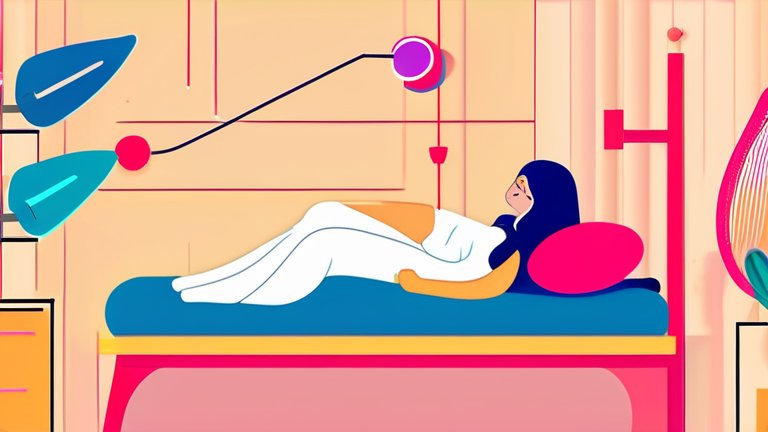
In the fast-paced world of 2026, achieving restful sleep and sustained energy is no longer a luxury but a necessity for long-term health. Chronic fatigue and poor sleep quality are linked to numerous health issues, including heart disease, diabetes, and weakened immune function. However, small, consistent changes can yield profound results. By adopting science-backed habits, you can reset your circadian rhythm and wake up feeling refreshed.
First, establish a consistent sleep schedule. Going to bed and waking up at the same time every day, even on weekends, reinforces your body’s internal clock. Second, create a bedtime routine that signals to your brain it is time to wind down. This might include reading a physical book, taking a warm bath, or practicing gentle yoga. Third, optimize your sleep environment. Ensure your bedroom is cool, dark, and quiet. Consider using blackout curtains or a white noise machine to eliminate disturbances.
Fourth, limit exposure to blue light from screens at least one hour before bed. Blue light suppresses melatonin, the hormone responsible for sleep. Fifth, watch your caffeine intake. Avoid coffee, tea, and energy drinks after 2 PM, as caffeine can linger in your system for up to eight hours. Sixth, be mindful of alcohol consumption. While alcohol may help you fall asleep, it disrupts sleep cycles and reduces sleep quality later in the night.
Seventh, engage in regular physical activity. Exercise promotes deeper sleep, but avoid vigorous workouts close to bedtime as they may be energizing. Eighth, manage stress through mindfulness practices like meditation or deep breathing exercises. High stress levels keep your body in a state of alertness, making sleep difficult. Ninth, pay attention to your diet. Heavy meals, spicy foods, and excessive fluids before bed can cause discomfort and nighttime awakenings. Finally, get exposure to natural sunlight during the day. Sunlight helps regulate your circadian rhythm and boosts daytime energy levels.
FAQ
Q: How many hours of sleep do adults need?
A: Most adults require between seven and nine hours of sleep per night for optimal health and cognitive function.
If you want to dig deeper, check out our guide on How Quantum Computing Solves Logistical Optimization Problem.
Q: Can napping affect nighttime sleep?
A: Yes, long or late-afternoon naps can interfere with nighttime sleep, so it is best to limit naps to 20-30 minutes before 3 PM.
Q: What is the best room temperature for sleep?
A: The ideal bedroom temperature for most people is between 60 and 67 degrees Fahrenheit (15-19 degrees Celsius).
Leave a Reply