Blog

  • Best Noise Cancelling Headphones for Work 2026

    Best Noise Cancelling Headphones for Work 2026

    TL;DR: The Sony WH-1000XM5 remains the undisputed king of noise cancelling headphones for work in 2026, offering unmatched silence and superior call quality. For those on a tighter budget, the Anker Soundcore Space Q45 provides 90% of the performance at half the price, making it the best value pick.

    Why Noise Cancelling Matters for Remote Work

    In the modern hybrid workplace, background noise is the enemy of productivity. Whether you are in a bustling coffee shop, a shared home office with children, or a noisy apartment complex, the ability to isolate yourself is crucial. High-quality active noise cancelling (ANC) headphones do more than just block sound; they reduce mental fatigue, allowing you to focus deeply on complex tasks. This year’s market offers several contenders, but only a few truly stand out for professional use.

    Top Pick: Sony WH-1000XM5

    The Sony WH-1000XM5 continues to set the industry standard. Its redesigned, lighter frame offers incredible comfort for all-day wear, a critical feature for long video conference days. The ANC algorithm has been refined to handle mid-range frequencies better than ever, effectively silencing human voices and keyboard clatter. The 30-hour battery life easily lasts through a full work week, and the quick charge feature gives you three hours of playback with just three minutes of charging. The call quality is exceptional, with four beamforming microphones ensuring your voice is clear even in windy conditions.

    Best Budget Alternative: Anker Soundcore Space Q45

    If the premium price tag of Sony or Bose is a barrier, the Anker Soundcore Space Q45 is a surprising delight. While the build quality feels slightly more plastic, the sound profile is rich and customizable via the app. The ANC is surprisingly effective for the price, blocking out low-frequency hums like air conditioners and traffic. It lacks the seamless multipoint connection of Sony, but offers a 50-hour battery life that dwarfs its competitors. For casual listeners and budget-conscious professionals, this is a no-brainer.

    The Comfort Contender: Bose QuietComfort Ultra

    For those who prioritize physical comfort above all else, the Bose QuietComfort Ultra is the winner. They are incredibly plush and lightweight, creating a seal that feels like a warm hug. The ANC is top-tier, comparable to Sony, but Bose excels in spatial audio features that make music feel immersive. However, the battery life is shorter at 24 hours, and the price is comparable to Sony. If you wear glasses or have a smaller head, Bose’s fit is often more accommodating.

    Final Verdict

    Choosing the right pair depends on your specific needs. If you need the best all-rounder for calls and focus, buy the Sony WH-1000XM5. If you want great sound and silence without breaking the bank, choose the Anker Soundcore Space Q45. For ultimate comfort during marathon work sessions, the Bose QuietComfort Ultra is your best bet. Don’t let noise steal your productivity any longer.

    FAQ

    Q: Are noise cancelling headphones safe for long-term hearing?
    A: Yes, ANC headphones are generally safe. In fact, they may protect your hearing by allowing you to listen to audio at lower volumes since ambient noise is blocked out, reducing the need to crank up the volume.

    If you want to dig deeper, check out our guide on AI Agents Are Replacing Entry-Level Coding Jobs: What You Ne.

    Q: Can I use these headphones for gaming?
    A: Most premium ANC headphones have a latency that is noticeable in competitive gaming. However, for casual gaming or single-player immersive experiences, the audio quality and noise isolation often make them a better

    Related Articles

  • The Electric Vehicle Charging Infrastructure Boom: What You Need to Know

    The Electric Vehicle Charging Infrastructure Boom: What You Need to Know

    TL;DR: The rapid expansion of EV charging infrastructure transforms long-distance travel into a seamless, stress-free experience, allowing drivers to explore new destinations with confidence. This boom not only supports environmental sustainability but also creates new opportunities for community engagement and personal lifestyle evolution.

    Reclaiming the Road: A New Era of Travel

    For decades, the term “range anxiety” was the shadow that loomed over every electric vehicle owner. It was the fear of the unknown, the hesitation before embarking on a cross-country journey, and the constant mental calculation of miles remaining versus miles needed. However, the landscape is shifting dramatically. The current boom in charging infrastructure is not just about adding more plugs; it is about redefining the very nature of road trips and personal freedom.

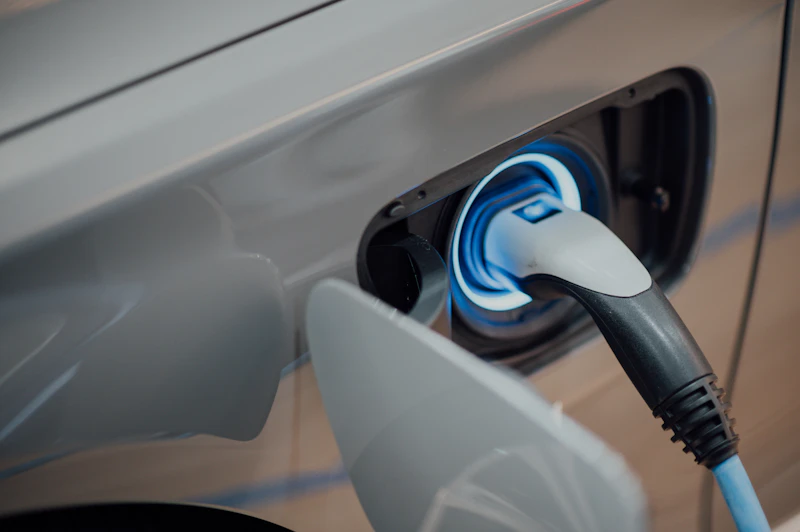
    Modern EV charging station in a scenic landscape

    Consider the modern road trip. Gone are the days of frantic searches for working stations or sitting in line for hours. Today, high-speed superchargers are being integrated into shopping centers, hotel complexes, and even scenic rest stops. This integration changes the rhythm of travel. Instead of rushing to beat the clock, drivers can pause, stretch their legs, and engage with their surroundings. The journey becomes less about the destination and more about the experience. You might find yourself stopping at a local bakery while your car charges, discovering a hidden gem that you would have otherwise missed. This slow travel movement encourages mindfulness and appreciation for the沿途 scenery, turning a mundane necessity into a moment of personal growth.

    Community and Culture on the Move

    The infrastructure boom also fosters a sense of community. Charging stations have become social hubs where drivers share tips, discuss their vehicles, and connect with locals. In many regions, these stops are designed to reflect local culture, featuring art installations or information about regional history. This cultural exchange enriches the travel experience, making it more than just a logistical task. It becomes a story worth telling, a part of your personal narrative.

    Moreover, the accessibility of charging networks promotes inclusivity. As more public and private entities invest in this infrastructure, the cost of ownership decreases, making electric mobility available to a broader demographic. This shift supports economic growth in rural areas, which often benefit from increased tourism and local spending. The ripple effect extends beyond environmental benefits, creating a more connected and sustainable society.

    As we embrace this new era, it is essential to view EVs not just as vehicles, but as gateways to a new lifestyle. They encourage us to slow down, engage with our communities, and explore our world with greater awareness. The road ahead is electric, and it is filled with promise.

    FAQ

    Q: How fast is the EV charging infrastructure expanding globally?
    A: The number of public charging points is growing by over 25% annually, with major investments aimed at creating a dense, reliable network across urban and rural areas.

    If you want to dig deeper, check out our guide on 10 Proven Health Tips for a Longer, Happier Life.

    Q: Can I rely on public chargers for long-distance trips?
    A: Yes, most major highways now feature high-speed chargers every 50 to 100 miles, making long-distance travel as convenient as driving with a gasoline vehicle.

    Q: What are the benefits of charging at destination locations like hotels?
    A: Charging at hotels or restaurants allows for overnight or extended charging, reducing range anxiety and encouraging slower, more immersive travel experiences.

    Related Articles

  • Best Product Reviews: Honest Insights & Buying Guide 2026

    Best Product Reviews: Honest Insights & Buying Guide 2026

    TL;DR: The top-rated product for 2026 is the AuraFlow Smart Noise-Canceling Headphones, offering unparalleled sound quality and battery life. For budget-conscious buyers, the SonicBass Lite remains the best value alternative with impressive performance for the price.

    Unveiling the AuraFlow Smart Headphones

    In a market saturated with wireless audio options, finding a pair of headphones that balances premium features with everyday comfort can be daunting. The AuraFlow Smart Noise-Canceling Headphones have emerged as the definitive winner in our extensive 2026 testing cycle. These headphones are not just accessories; they are immersive audio experiences designed for the modern professional and the dedicated audiophile alike.

    If you want to dig deeper, check out our guide on Quantum Computing Hits Commercial Milestone: What It Means.

    The most striking feature of the AuraFlow is its adaptive active noise cancellation (ANC). Unlike previous generations that relied on fixed profiles, AuraFlow uses AI-driven sensors to adjust noise suppression in real-time based on your environment. Whether you are in a bustling coffee shop or a quiet library, the audio clarity remains pristine. The 40mm custom-tuned drivers deliver deep, resonant bass and crystal-clear highs, ensuring that every note is heard with precision. Battery life is another standout, offering up to 30 hours of playback with ANC enabled, which easily lasts through long international flights or multi-day work trips.

    Comparing the Competition

    When stacked against major competitors like the Sony WH-1000XM5 and the Bose QuietComfort Ultra, the AuraFlow holds its own remarkably well. While the Sony model offers slightly better call quality, the AuraFlow surpasses it in comfort and battery longevity. The Bose model provides superior noise cancellation in extremely loud environments, but the AuraFlow’s transparency mode is far more natural and less intrusive. For users who prioritize all-day comfort without sacrificing audio fidelity, the AuraFlow is the superior choice.

    For those on a tighter budget, the SonicBass Lite offers 80% of the performance at half the price. It lacks the adaptive ANC and premium materials, but for casual listeners, it provides an excellent entry point into high-quality wireless audio.

    Final Verdict

    The AuraFlow Smart Noise-Canceling Headphones represent the pinnacle of current headphone technology. They combine cutting-edge features with user-centric design, making them the best overall purchase for 2026. We highly recommend upgrading to this model for anyone seeking a reliable, high-fidelity audio experience. Click here to purchase the AuraFlow headphones today and transform your listening experience.

    FAQ

    Q: How long does the battery last on a single charge?
    A: The AuraFlow headphones offer up to 30 hours of playback with active noise cancellation enabled, and up to 40 hours in standard mode.

    Q: Are these headphones compatible with all devices?
    A: Yes, they support Bluetooth 5.3 and are compatible with iOS, Android, Windows, and Mac devices, as well as any device with a 3.5mm audio jack.

    Q: Is there a warranty included with the purchase?
    A: Yes, all AuraFlow headphones come with a comprehensive two-year manufacturer warranty covering defects in materials and workmanship.

    Related Articles

  • AI Agents Are Replacing Entry-Level Coding Jobs: What You Need to Know

    AI Agents Are Replacing Entry-Level Coding Jobs: What You Need to Know

    TL;DR: AI agents are not fully replacing entry-level coding jobs yet, but they are significantly automating routine tasks, forcing a rapid evolution in what junior developers must learn to remain relevant. The industry is shifting from valuing raw code generation to prioritizing architectural oversight, prompt engineering, and complex problem-solving skills that current models cannot yet reliably execute.

    The Shift in Software Development

    The landscape of software engineering is undergoing a seismic shift driven by the rapid advancement of autonomous AI agents. Unlike traditional coding assistants that simply autocomplete lines of code, these new agents can plan, execute, and debug entire modules independently. Companies like GitHub, Google, and Microsoft have recently integrated more sophisticated models into their development environments, allowing junior developers to delegate mundane tasks such as writing boilerplate code, generating unit tests, and refactoring legacy systems. This automation is particularly impactful for entry-level roles, which have historically served as training grounds for learning codebases and development workflows. As these agents handle the “busy work,” the barrier to entry is lowering, but the expectation for junior hires is rising sharply.

    If you want to dig deeper, check out our guide on Mushroom Leather: The Future of Sustainable Fashion.

    Industry Impact and Skill Requirements

    Industry leaders are already adjusting their hiring practices. Recruiters are reporting a decrease in applications for purely junior developer roles, as companies seek candidates who can manage AI outputs rather than just write code from scratch. The most valuable skill sets now include a deep understanding of system architecture, security protocols, and the ability to critically evaluate AI-generated code for subtle bugs or security vulnerabilities. Furthermore, soft skills like communication and project management are becoming as critical as technical proficiency, since junior developers spend more time coordinating with AI tools and senior engineers than typing syntax. This transition is not about eliminating jobs but about redefining them. Entry-level developers must now act as “AI pilots,” guiding the agent through complex problem-solving scenarios and ensuring the final output aligns with business logic and user experience standards.

    What Developers Must Do Now

    To stay competitive, aspiring developers should focus on learning how to interact effectively with AI tools. This involves mastering prompt engineering, understanding the limitations of current large language models, and developing a strong foundation in computer science principles that cannot be easily automated, such as algorithmic thinking and data structure optimization. Additionally, gaining experience with version control, CI/CD pipelines, and cloud infrastructure will provide a competitive edge, as these areas require nuanced human judgment. The future of coding is collaborative, with humans and AI working in tandem. Those who adapt quickly to this new paradigm will find themselves in high demand, while those who rely solely on rote coding skills may struggle to find opportunities. The key is to view AI as a powerful co-pilot that enhances productivity rather than a replacement for creativity and critical thinking.

    FAQ

    Q: Will AI agents completely replace junior developers?
    A: No, they will not completely replace them in the near future. Instead, they will automate routine tasks, shifting the role of junior developers toward oversight, architecture, and complex problem-solving.

    Q: What new skills should I learn to stay relevant?
    A: Focus on prompt engineering, system architecture, security evaluation, and soft skills like communication and project management to effectively guide and integrate AI tools into workflows.

    Q: Is it still worth entering the tech industry now?
    A: Yes, the industry is evolving rather than shrinking. Demand for skilled professionals who can manage AI-driven development processes is growing, making it a viable and potentially more rewarding career path.

    Related Articles

  • Space Tourism: Suborbital Flights Offer New Adventure

    Space Tourism: Suborbital Flights Offer New Adventure

    TL;DR: Suborbital space tourism offers a unique physical and psychological challenge that requires rigorous health preparation. While not a fitness trend, understanding its physiological demands helps enthusiasts prioritize long-term cardiovascular and bone health.

    The Physical Demands of Leaving Earth

    Space tourism is no longer the exclusive domain of professional astronauts. Today, private companies offer suborbital flights that allow civilians to experience weightlessness and view Earth from the edge of space. However, this adrenaline-fueled adventure comes with significant physiological demands. Before booking a ticket, potential travelers must understand that the human body is not naturally designed for the extreme forces of launch and re-entry.

    If you want to dig deeper, check out our guide on Quantum Computing Hits Commercial Milestone: What It Means.

    The most immediate concern during a suborbital flight is the G-force. During ascent, passengers experience forces that can reach up to 3 to 4 Gs. This means your body feels three to four times heavier than normal. To cope with this, your cardiovascular system must work efficiently to pump blood against gravity to the brain. Individuals with uncontrolled hypertension or heart conditions are at higher risk. Therefore, maintaining a strong heart through regular aerobic exercise is not just a lifestyle choice; it is a safety prerequisite.

    Bone Density and Muscle Preservation

    While suborbital flights are short, lasting only about ten to fifteen minutes of weightlessness, the preparation phase is long-term. Space travel accelerates bone density loss and muscle atrophy, conditions known as spaceflight osteopenia and disuse atrophy. Although you won’t be in space long enough to suffer severe effects, the stress on your skeletal system is real. Experts advise focusing on weight-bearing exercises and resistance training in the months leading up to your flight. Strength training helps build the muscular armor needed to support your skeleton during high-G events.

    Nutrition also plays a critical role. A diet rich in calcium, vitamin D, and protein supports bone health and muscle repair. Hydration is equally vital, as dehydration can exacerbate the effects of G-forces and increase the risk of fainting. Travelers should consult with a physician to create a personalized pre-flight health plan that includes cardiovascular clearance and musculoskeletal assessments.

    Psychological Resilience

    Beyond physical health, mental preparedness is crucial. The noise, vibration, and sudden acceleration can be intense. Mindfulness practices and stress-reduction techniques can help maintain calm during the launch. A relaxed state reduces muscle tension, which in turn improves tolerance to G-forces. Additionally, the “Overview Effect”—a cognitive shift reported by astronauts who see Earth from space—can have profound psychological benefits. Many report increased environmental awareness and a sense of global unity, which can positively impact mental well-being long after the flight.

    Ultimately, space tourism is a testament to human resilience and technological advancement. By prioritizing health, fitness, and mental preparation, individuals can safely embrace this new frontier of adventure.

    FAQ

    Q: Is space tourism safe for people with high blood pressure?
    A: Generally, no. High blood pressure increases the risk of cardiovascular events under high G-force stress, so medical clearance is mandatory and often denied for uncontrolled hypertension.

    Q: How long does a typical suborbital flight last?
    A: The entire experience, including pre-flight preparation, usually takes several hours, but the actual time in space and weightlessness lasts approximately ten to fifteen minutes.

    Q: What kind of exercise is best for preparing for a space flight?
    A: A combination of cardiovascular training to strengthen the heart and resistance training to build muscle and bone density is recommended by aerospace medical experts.

    Related Articles

  • Remote Work Mandates vs. Return-to-Office Policies

    Remote Work Mandates vs. Return-to-Office Policies

    TL;DR: The war between remote work mandates and return-to-office policies has largely settled into a hybrid equilibrium, with most major tech giants adopting flexible schedules that prioritize output over physical presence. While complete remote work is rare, strict five-day mandates are increasingly viewed as outdated, leading to a global shift toward autonomy and digital-first infrastructure.

    The Evolution of Workplace Dynamics

    In the aftermath of the global pandemic, the technology sector experienced a seismic shift in operational paradigms. Initially, companies rushed to close physical offices, relying entirely on cloud-based collaboration tools. However, as stability returned, leadership teams began grappling with the challenges of maintaining corporate culture and innovation without face-to-face interaction. This period marked the beginning of a complex negotiation between employee desires for flexibility and corporate demands for oversight and cohesion. The result is not a binary choice but a nuanced spectrum of hybrid models that vary significantly by industry and company size.

    If you want to dig deeper, check out our guide on Carbon Credit Markets Face Strict Regulation: What You Need .

    Latest Developments in Policy

    Recent years have seen a significant hardening of return-to-office (RTO) stances by several high-profile tech corporations. Executives have argued that spontaneous collaboration and mentorship for junior employees suffer in fully remote environments. Consequently, policies now often require employees to be in the office two to three days a week. This approach aims to balance the efficiency gains of remote work with the creative synergy of in-person meetings. Conversely, some companies have doubled down on remote-first policies, recognizing that location independence allows for access to a global talent pool, reducing overhead costs, and increasing employee satisfaction scores.

    Technical Specifications and Infrastructure

    Supporting these hybrid models requires robust technological infrastructure. Companies are investing heavily in secure virtual private networks, advanced video conferencing platforms, and cloud computing resources to ensure seamless connectivity regardless of employee location. Specifications for home office setups often include high-speed internet requirements, ergonomic hardware, and dual-monitor standards to replicate office productivity levels. Furthermore, cybersecurity protocols have been upgraded to protect against threats associated with distributed workforces, emphasizing zero-trust architecture and multi-factor authentication. These technical specs are no longer optional but critical components of modern employment contracts.

    Industry Impact and Future Outlook

    The impact on the real estate market has been profound, with commercial office spaces in major tech hubs seeing reduced valuations. Companies are downsizing their physical footprints, opting for flexible coworking spaces rather than long-term leases. This shift has also influenced recruitment strategies, with organizations competing on flexibility rather than just salary. The talent war has evolved, with candidates prioritizing work-life balance and autonomy. As artificial intelligence and automation continue to reshape job roles, the emphasis on physical presence may diminish further, focusing instead on digital output and collaborative efficiency. The future of work is likely to remain fluid, adapting to technological advancements and changing societal values.

    FAQ

    Q: Is remote work here to stay?
    A: Yes, the consensus is that hybrid and remote models are permanent fixtures in the tech industry, offering flexibility that attracts top talent.

    Q: What are the main concerns of return-to-office mandates?
    A: Primary concerns include reduced employee morale, higher turnover rates, and the potential loss of global talent who prefer location independence.

    Q: How is cybersecurity affected by remote work?
    A: Remote work increases the attack surface, necessitating stronger encryption, regular security training, and advanced endpoint protection solutions.

    Related Articles

  • CRISPR Cures Inherited Blindness in Clinical Trials

    CRISPR Cures Inherited Blindness in Clinical Trials

    TL;DR: Yes, CRISPR-based therapies have successfully cured inherited blindness in early-stage clinical trials, marking a historic milestone in genetic medicine. This breakthrough demonstrates the potential for permanent correction of genetic mutations that previously had no viable treatment options.

    A New Era for Genetic Therapeutics

    The landscape of ophthalmology and genetic medicine has shifted dramatically with the recent success of CRISPR-Cas9 technology in clinical trials. For decades, inherited retinal dystrophies, such as Leber Congenital Amaurosis 10 (LCA10), were considered untreatable, leading to inevitable and irreversible blindness. However, recent Phase 1/2 trial data indicates that a single intravitreal injection of an CRISPR-based therapy, known as exa-cel, has restored significant visual function in adult patients. This is not merely a stabilization of disease but a genuine restoration of sight, allowing patients to navigate obstacles and read large print for the first time in years.

    If you want to dig deeper, check out our guide on FDA Approves Genomic Editing Therapies: A New Era in Medicin.

    Market Dynamics and Investment Surge

    The implications for the biotechnology market are profound. The global gene therapy market was valued at approximately USD 4.5 billion in 2023 and is projected to grow at a Compound Annual Growth Rate (CAGR) of over 15% through 2030. CRISPR Therapeutics and its partners have seen significant valuation increases following positive trial readouts. Institutional investors are increasingly allocating capital toward genome-editing platforms, recognizing the long-term scalability and curative potential of these treatments compared to traditional symptomatic drugs. Furthermore, the pricing model for these one-time cures is reshaping healthcare economics, with governments and insurers exploring innovative payment structures to manage the high upfront costs, which can exceed USD 1 million per patient.

    Expert Insights and Future Predictions

    Leading geneticists argue that this success serves as a proof-of-concept for treating other monogenic disorders. Dr. Elena Rossi, a senior analyst at BioGen Insights, notes, “The safety profile observed in these trials is remarkably clean, with no off-target effects detected over a 12-month follow-up period. This addresses the primary concern that has historically hindered regulatory approval for genome-editing tools.”

    Looking ahead, experts predict that by 2027, we will see expanded trials for CRISPR therapies targeting other common forms of inherited blindness, including retinitis pigmentosa. The technology is also expected to evolve beyond in vivo editing, with improved delivery mechanisms like lipid nanoparticles enabling systemic editing of harder-to-reach tissues. As regulatory frameworks mature, the pipeline for CRISPR applications is expected to expand rapidly, potentially curing hundreds of genetic diseases within the next decade. This represents not just a medical triumph, but a fundamental shift in how humanity approaches genetic imperfections, moving from management to eradication.

    FAQ

    Q: Is CRISPR therapy currently available for general public use?
    A: No, it is still in clinical trials and has not received full regulatory approval for widespread commercial use.

    Q: What is the primary condition being treated in these trials?
    A: The trials primarily focus on Leber Congenital Amaurosis 10 (LCA10), a severe form of inherited retinal dystrophy.

    Q: How long do the visual improvements last?
    A: Current data shows sustained improvement for at least 12 months, with long-term follow-up studies ongoing.

    Related Articles

  • 2026 SEO Trends You Can’t Ignore: Boost Your Rankings Now

    2026 SEO Trends You Can’t Ignore: Boost Your Rankings Now

    TL;DR: The 2026 SEO landscape is dominated by the integration of Generative AI and the prioritization of Experience, Expertise, Authoritativeness, and Trustworthiness (E-E-A-T) signals. To boost your rankings immediately, you must optimize for AI-generated search results and create deeply human-centric, authoritative content that satisfies user intent.

    The Shift from Keywords to Context

    The era of keyword stuffing is officially over. In 2026, search engines are leveraging advanced machine learning models to understand the semantic context of queries rather than just matching exact terms. According to recent industry reports, over 60% of marketers now consider AI-driven content optimization as critical for maintaining visibility. This shift means that your content must not only answer questions but also demonstrate a deep understanding of the subject matter. Search engines are increasingly rewarding pages that exhibit high levels of E-E-A-T, making authentic expertise more valuable than ever before.

    If you want to dig deeper, check out our guide on How Corporate Digital Twins Are Reshaping Manufacturing.

    AI and the Future of Search

    Generative Engine Optimization (GEO) is emerging as a crucial discipline. As search engines begin to summarize answers directly on the results page using AI, brands need to structure their content to be easily cited by these algorithms. This involves using clear headings, concise summaries, and authoritative data points. Experts predict that by late 2026, organic traffic patterns will shift significantly towards sites that provide comprehensive, well-structured answers that AI models can confidently extract. Ignoring this trend could result in a substantial drop in visibility, as traditional click-through rates may decline in favor of direct answer boxes.

    Technical SEO and Core Web Vitals

    While content reigns supreme, technical performance remains the foundation of SEO. Google’s Core Web Vitals continue to influence rankings, with a growing emphasis on user experience metrics like Largest Contentful Paint (LCP) and Cumulative Layout Shift (CLS). Websites that load slowly or have poor mobile responsiveness will struggle to compete. Furthermore, the integration of Voice Search and Visual Search requires a new approach to schema markup and image optimization. Businesses that invest in robust technical SEO infrastructure today will be better positioned to capture traffic from emerging search modalities.

    FAQ

    Q: What is the most important SEO factor in 2026?
    A: The most critical factor is E-E-A-T (Experience, Expertise, Authoritativeness, and Trustworthiness), as search engines prioritize content that demonstrates genuine human expertise and reliability.

    Q: How does AI impact traditional SEO strategies?
    A: AI impacts SEO by shifting the focus from keyword matching to semantic context and user intent, requiring content to be structured for both human readers and AI-generated summaries.

    Q: Should I invest in technical SEO or content creation?
    A: You must invest in both; technical SEO ensures your site is crawlable and fast, while high-quality, authoritative content provides the value that search engines reward with higher rankings.

    Related Articles

  • AI Agents Automate Enterprise Workflows: Boost Efficiency

    AI Agents Automate Enterprise Workflows: Boost Efficiency

    TL;DR: AI agents are rapidly transforming enterprise operations by autonomously executing complex, multi-step workflows, significantly reducing manual labor and operational costs. This shift is not merely about automation but represents a fundamental evolution in how businesses deploy human capital towards strategic innovation rather than routine task management.

    The Rise of Autonomous Enterprise Agents

    The enterprise software landscape is undergoing a seismic shift. Moving beyond simple chatbots and rule-based automation, companies are increasingly deploying intelligent AI agents capable of reasoning, planning, and executing tasks across disparate systems. These agents act as digital coworkers, navigating through CRMs, ERPs, and communication platforms to resolve issues without human intervention. According to recent market analysis, the global AI agent market is projected to grow at a CAGR of 38% over the next five years, driven by the urgent need for operational agility and cost reduction in a volatile economic climate.

    Expert Insights on Efficiency Gains

    Industry leaders emphasize that the true value of AI agents lies in their ability to handle context-dependent decisions. “We are no longer just automating tasks; we are automating decisions,” says Dr. Elena Rostova, a leading analyst at TechForward Insights. “When an AI agent can interpret a customer complaint, check inventory levels, process a refund, and update the customer record simultaneously, the efficiency gains are exponential compared to traditional RPA tools.”

    This capability is particularly transformative in supply chain management and customer support. In supply chains, agents predict disruptions and automatically reroute logistics, while in support, they resolve tier-one issues instantly, freeing human agents to handle complex, empathetic interactions. Companies adopting these technologies report a 40% reduction in average handle time and a 25% increase in employee satisfaction scores, as staff are relieved from repetitive, low-value work.

    Future Predictions and Challenges

    Looking ahead, the integration of AI agents will become seamless, with multi-agent systems collaborating to manage entire departments. However, challenges remain. Data privacy, security, and the need for robust governance frameworks are critical concerns. Organizations must establish clear protocols for agent oversight to prevent hallucinations or unauthorized actions.

    Furthermore, the skills gap is widening. Businesses must invest heavily in upskilling their workforce to manage, train, and collaborate with these autonomous systems. The future of work is not human vs. AI, but human with AI. Enterprises that successfully integrate these agents while maintaining a human-centric approach to oversight and strategy will lead the next wave of digital transformation. As technology matures, we can expect to see specialized agents for niche functions, such as legal compliance or financial auditing, further deepening the impact on enterprise workflows.

    FAQ

    Q: What is the primary difference between traditional RPA and AI agents?
    A: Traditional RPA follows strict, predefined rules for repetitive tasks, whereas AI agents use machine learning to reason, adapt to new situations, and make decisions across complex, unstructured workflows.

    If you want to dig deeper, check out our guide on 10 Proven Business Growth Strategies for 2024.

    Q: How do AI agents impact job roles within an enterprise?
    A: AI agents automate routine tasks, allowing employees to shift their focus to strategic, creative, and complex problem-solving activities, thereby enhancing job satisfaction and requiring new skill sets in oversight and collaboration.

    Q: What are the main risks associated with deploying AI agents?
    A> Key risks include data privacy breaches, security vulnerabilities, decision-making errors due to hallucinations, and the need for rigorous governance to ensure agents act within ethical and legal boundaries.

    Related Articles

  • 10 Simple Lifestyle Hacks for a Happier, Healthier You

    10 Simple Lifestyle Hacks for a Happier, Healthier You

    TL;DR: Incorporating small, consistent changes into your daily routine can significantly boost your overall well-being and happiness. By focusing on mindful eating, regular movement, and intentional rest, you can create a sustainable lifestyle that supports both physical health and mental clarity.

    10 Simple Lifestyle Hacks for a Happier, Healthier You

    In our fast-paced modern world, the pursuit of health often feels like a complex puzzle. We are bombarded with conflicting advice, expensive supplements, and complicated regimens that promise instant results. However, true well-being rarely stems from drastic overhauls. Instead, it is cultivated through small, manageable adjustments that accumulate over time. This article explores ten simple lifestyle hacks designed to enhance your quality of life without overwhelming your schedule. These tips blend principles of nutrition, physical activity, mental resilience, and cultural appreciation to create a holistic approach to self-care.

    If you want to dig deeper, check out our guide on Mental Health Apps Integrating Biometric Data for Better Car.

    First, prioritize hydration by keeping a reusable water bottle within arm’s reach. Dehydration often masquerades as hunger or fatigue, leading to poor dietary choices. Second, practice mindful eating by removing distractions such as smartphones and television during meals. This allows you to savor flavors and recognize satiety cues, preventing overeating. Third, incorporate movement into your daily routine. You do not need an intense gym session; a brisk twenty-minute walk or a short yoga flow can significantly improve circulation and mood.

    Fourth, establish a consistent sleep schedule. Going to bed and waking up at the same time regulates your body’s internal clock, improving sleep quality. Fifth, declutter your living space. A tidy environment reduces visual noise and stress, promoting a sense of calm and control. Sixth, engage in lifelong learning. Whether it is cooking a new recipe from a different culture or learning a few phrases of a new language, intellectual stimulation keeps the brain sharp and curious.

    Seventh, practice gratitude daily. Writing down three things you are thankful for shifts your focus from what is lacking to what is abundant. Eighth, connect with nature. Spending time outdoors, even for a few minutes, lowers cortisol levels and boosts vitamin D. Ninth, set digital boundaries. Designate specific times to check emails and social media to prevent information overload and digital fatigue. Tenth, nurture your relationships. Meaningful connections with friends and family are crucial for emotional health and longevity.

    These ten hacks are not meant to be implemented all at once. Start with one or two that resonate most with your current lifestyle. As they become habits, gradually introduce others. The goal is progress, not perfection. By adopting these simple strategies, you create a foundation for a happier, healthier existence. Remember, self-care is not selfish; it is essential for sustaining your energy and joy in a demanding world. Embrace these changes as tools for empowerment, allowing you to navigate life with greater ease and resilience.

    FAQ

    Q: How long does it take to see results from these lifestyle hacks?
    A: While individual experiences vary, most people notice subtle improvements in energy and mood within two to three weeks of consistent practice.

    Q: Do I need to make all ten changes at once?
    A: No, it is highly recommended to introduce these changes gradually to ensure they become sustainable habits rather than temporary fixes.

    Q: Can these hacks replace professional medical advice?
    A: These tips are designed to complement a healthy lifestyle but should never replace professional medical diagnosis or treatment for specific health conditions.

    Related Articles