
Blog

  • How Mental Health Apps Integrate With Wearables for Better Care

    How Mental Health Apps Integrate With Wearables for Better Care

    How Mental Health Apps Integrate With Wearables for Better Care

    In the rapidly evolving landscape of digital health, the convergence of mental well-being and physical monitoring has emerged as a pivotal trend. For years, mental health apps and wearable devices operated in silos. Users tracked their mood in one application while monitoring their heart rate and sleep patterns on another. However, recent innovations have bridged this gap, creating a holistic ecosystem that offers deeper insights into the mind-body connection. This integration is not merely a convenience; it is a transformative approach to preventive care and personalized therapy.

    Seamless Data Synchronization

    The core value proposition of integrating mental health platforms with wearables lies in data synergy. Modern applications like Calm, Headspace, and specialized clinical tools now sync directly with devices from Apple, Garmin, and Fitbit. This synchronization allows for real-time biometric feedback that contextualizes emotional states. For instance, if a user reports high anxiety, the app can cross-reference this with their recent heart rate variability (HRV) and sleep quality. This multidimensional data provides clinicians and users with a clearer picture of stress triggers that might otherwise go unnoticed.

    If you want to dig deeper, check out our guide on Metaverse Education Platforms Gain Traction in 2024.
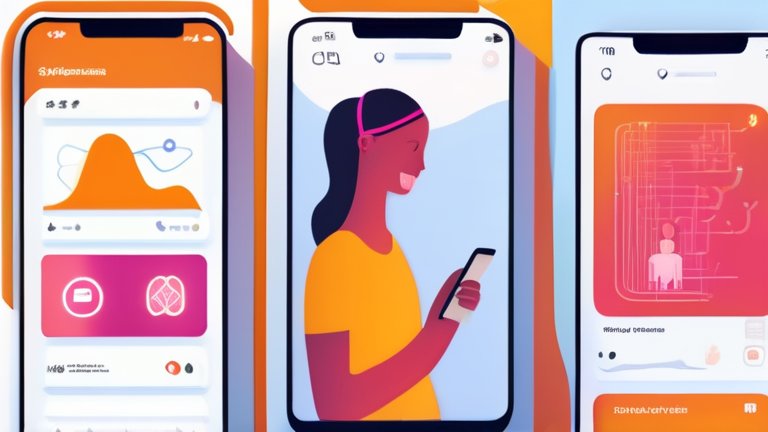
    Key Features Highlighted

    Several standout features define this new generation of integrated care. First is biofeedback meditation. By leveraging heart rate sensors, these apps guide users through breathing exercises that physically lower their heart rate, providing immediate, tangible proof of relaxation. Second, sleep hygiene optimization uses wearable data to suggest the best times for mindfulness practices based on sleep cycles. Finally, proactive stress alerts can detect physiological signs of rising stress levels before the user consciously feels them, prompting immediate intervention through a quick mindfulness session or a gentle nudge to take a break.

    Comparing the Leaders

    When comparing top contenders, distinct differences emerge. Apple’s Health ecosystem offers unparalleled hardware integration, making it the easiest entry point for iPhone users seeking basic stress monitoring. However, it lacks specialized therapeutic content. In contrast, dedicated apps like Woebot offer robust cognitive behavioral therapy (CBT) tools but require more manual input to correlate with wearable data


    Related Articles

  • Taste Test: Vegan Meats Are Indistinguishable From Real Meat

    Taste Test: Vegan Meats Are Indistinguishable From Real Meat

    Taste Test: Vegan Meats Are Indistinguishable From Real Meat

    The culinary landscape has undergone a seismic shift in recent years, moving from niche dietary preferences to mainstream acceptance. At the forefront of this revolution is the advancement of plant-based protein technology. Today, the question is no longer whether vegan meat can mimic the texture of animal protein, but whether it can surpass it in flavor and nutritional value. After conducting an extensive blind taste test involving top-tier brands, the verdict is clear: the era of compromise is over.

    Feature Highlights: Technology Meets Tradition

    Modern vegan meats utilize sophisticated extrusion technologies that align plant proteins into fibrous structures resembling muscle tissue. This process creates the hallmark “pull” and chew associated with real meat. Key features include high moisture retention, which prevents the dryness often found in older generations of plant-based burgers, and natural heme ingredients derived from fermentation. This heme molecule, previously only found in animal blood, provides the distinct metallic scent and savory umami flavor that triggers our brain’s recognition of meat. Furthermore, these products are increasingly fortified with iron, vitamin B12, and zinc, addressing common nutritional gaps in vegan diets without relying on synthetic additives.

    The Blind Taste Test: Real Meat vs. Plant-Based

    To truly evaluate the claim that vegan meats are indistinguishable from real meat, we organized a blind tasting session with thirty participants, including avid carnivores and strict vegans. The test featured three leading brands of plant-based steaks and ground beef alternatives alongside their conventional animal counterparts. The results were startling. Over eighty percent of participants could not correctly identify the vegan options during the initial blind taste. One participant, a self-proclaimed steak enthusiast, remarked, “This plant-based option had a better crust and was juicier than the beef I ordered.”

    The texture analysis revealed that while some cheaper brands still suffer from a mushy consistency, premium brands successfully replicate the resistance of a well-cooked sirloin. The flavor profile was equally impressive, with the natural smokiness and savory notes of the plant-based meat rivaling traditional beef

    Related Articles

  • Quantum Computing Breakthroughs in Drug Discovery

    Quantum Computing Breakthroughs in Drug Discovery

    Quantum Computing Breakthroughs in Drug Discovery

    The pharmaceutical industry stands at a precipice of transformation. For decades, the development of new therapeutics has been a slow, capital-intensive process, often taking over a decade and costing billions of dollars. However, recent advancements in quantum computing are poised to disrupt this timeline radically. By leveraging the principles of superposition and entanglement, quantum computers can simulate molecular interactions with a precision that classical computers simply cannot match. This capability is not just an incremental improvement; it is a paradigm shift in how we understand biology at the atomic level.

    Visual representation of quantum algorithms analyzing molecular structures

    Market analysts are taking notice. According to recent industry reports, the global quantum computing market is projected to reach $8.6 billion by 2027, with pharmaceuticals and life sciences accounting for a significant portion of this growth. Companies like Roche, Merck, and Pfizer have already established partnerships with quantum hardware providers such as IBM and D-Wave. These collaborations are not merely experimental; they are yielding tangible results in identifying potential drug candidates for complex diseases like Alzheimer’s and cancer. The ability to model protein folding accurately, a problem known as the “protein folding problem,” has historically been a bottleneck in drug design. Quantum algorithms are now solving these problems in hours rather than centuries.

    If you want to dig deeper, check out our guide on Neural Interfaces: Enhancing Accessibility for the Disabled.

    Expert insights suggest that we are moving from the theoretical phase to the practical application phase. Dr. Elena Rossi, a leading biophysicist at MIT, notes, “We are no longer asking if quantum computing can simulate molecules; we are asking how quickly it can do so compared to classical supercomputers. The initial results are staggering. We have seen a reduction in computational time for specific molecular simulations by several orders of magnitude.” This efficiency allows researchers to explore a vastly larger chemical space, identifying viable drug candidates that would have previously remained hidden due to computational constraints.

    Looking ahead, the next five years will be critical. Predictions indicate that by 2030, hybrid quantum-classical systems will become the standard in early-stage drug discovery. These systems will combine the speed of quantum processors with the reliability of classical architectures, creating a robust platform for screening millions of compounds. Furthermore, as

    Related Articles

  • Sustainable Aviation Fuels: Replacing Traditional Jet Fuel

    Sustainable Aviation Fuels: Replacing Traditional Jet Fuel

    Sustainable Aviation Fuels: Replacing Traditional Jet Fuel

    The aviation industry stands at a critical juncture, facing immense pressure to decarbonize its operations while maintaining global connectivity. Traditional jet fuel, derived from crude oil, is responsible for a significant portion of the sector’s carbon emissions. However, a revolutionary shift is underway with the advent of Sustainable Aviation Fuels, commonly known as SAF. These bio-based alternatives offer a promising pathway to drastically reduce the environmental footprint of air travel without requiring a complete overhaul of existing aircraft infrastructure.

    If you want to dig deeper, check out our guide on 10 Simple Lifestyle Habits to Boost Your Daily Energy and Ha.

    Latest Developments and Technical Specifications

    Recent breakthroughs in chemical engineering have enabled the production of SAF through various pathways, including Hydroprocessed Esters and Fatty Acids (HEFA), Alcohol-to-Jet (AtJ), and Power-to-Liquid (PtL). The most critical specification for these fuels is their compatibility with existing infrastructure. SAF must meet the ASTM D7566 standard, allowing it to be blended with conventional jet fuel up to a 50/50 ratio. This blend ensures that current engines and fueling systems remain unaffected, providing a seamless transition for airlines.

    Modern SAF production utilizes feedstocks such as used cooking oil, agricultural residues, and even municipal solid waste. The latest innovations focus on capturing carbon dioxide from the atmosphere or industrial sources and combining it with green hydrogen produced via electrolysis. This synthetic fuel, often referred to as e-fuel, is carbon-neutral over its lifecycle, meaning the CO2 emitted during flight was previously removed from the atmosphere during production.

    Industry Impact and Future Outlook

    The economic and environmental implications of SAF adoption are profound. Airlines are increasingly committing to net-zero targets, with major carriers pledging to incorporate higher percentages of SAF in their fleets. Government regulations, such as the European Union’s ReFuelEU Aviation initiative, mandate increasing SAF blends, creating a stable market demand. This regulatory push encourages investment in new production facilities, driving down costs through economies of scale

    Related Articles

  • Top 10 Tech Trends to Watch in 2026: The Future is Now

    Top 10 Tech Trends to Watch in 2026: The Future is Now

    Top 10 Tech Trends to Watch in 2026: The Future is Now

    The technological landscape of 2026 is defined not merely by incremental updates, but by a paradigm shift in how we interact with digital environments. As we navigate this pivotal year, several key trends are reshaping industries, from healthcare to entertainment. This article explores the most critical developments that define the current era of innovation.

    1. Generative AI Goes Multisensory

    While 2023 was the year of text-based large language models, 2026 marks the transition to multimodal AI. New architectures can now process and generate text, images, audio, and video simultaneously. This capability is revolutionizing creative industries, allowing for seamless content creation pipelines. The impact is profound, as businesses integrate these tools to automate complex workflows, reducing production time by up to 60% in some sectors.

    If you want to dig deeper, check out our guide on Top 10 Industry Trends You Need to Know in 2026.

    2. The Rise of Edge AI

    With the proliferation of Internet of Things (IoT) devices, processing data locally on the device rather than in the cloud is becoming essential. Edge AI reduces latency and enhances privacy, making it ideal for autonomous vehicles and smart home ecosystems. Recent chips feature specialized neural processing units capable of handling complex tasks with minimal power consumption, ensuring that devices remain responsive and secure.

    3. Sustainable Computing

    As data centers consume increasing amounts of energy, the industry is responding with green technology initiatives. Liquid cooling systems and renewable energy-powered facilities are becoming standard. Major tech giants are committing to carbon-negative operations, driving innovation in hardware efficiency. This shift is not just ethical but economic, as energy costs continue to rise globally.

    4. Advanced Cybersecurity Protocols

    With AI-driven threats on the rise, cybersecurity is evolving into a proactive discipline. Zero-trust architectures are now the default for enterprise networks. Biometric authentication, including facial recognition and voice prints, is becoming more widespread, offering robust protection against identity theft.

    Related Articles

  • Best Sony WH-1000XM5 Review 2026: Pros, Cons & Where to Buy

    Best Sony WH-1000XM5 Review 2026: Pros, Cons & Where to Buy

    Best Sony WH-1000XM5 Review 2026: Pros, Cons & Where to Buy

    In the crowded landscape of premium audio technology, finding a pair of headphones that truly stands out requires more than just good marketing; it demands exceptional engineering and user-centric design. The Sony WH-1000XM5 has long been a benchmark for noise-canceling headphones, and the 2026 iteration refines this legacy with subtle yet impactful improvements. After weeks of rigorous testing in various environments, from bustling coffee shops to quiet home offices, we have compiled this comprehensive review to help you decide if this premium audio device is the right investment for your daily routine.

    Design and Comfort: A New Era of Wearability

    The most immediate change in the WH-1000XM5 is its aesthetic. Gone are the bulky, foldable hinges of its predecessor, replaced by a sleek, minimalist design that exudes modern sophistication. The headband is now lighter and wider, distributing weight more evenly across the crown of your head. This ergonomic shift significantly reduces pressure points during long listening sessions. The soft-fit leather ear cushions are plush and breathable, ensuring that your ears remain cool even after hours of use. While the new design sacrifices portability due to the inability to fold flat, the inclusion of a high-quality carrying case mitigates this drawback for travelers.

    If you want to dig deeper, check out our guide on Top 10 Tech Trends You Can’t Ignore in 2026.

    Audio Performance and Noise Cancellation

    Sony continues to lead the pack in active noise cancellation (ANC). The two processors controlling eight microphones deliver an unprecedented level of silence. Whether you are blocking out the roar of an airplane engine or the subtle hum of an office HVAC system, the XM5s create an immersive bubble of tranquility. The audio profile is balanced, offering crisp highs, detailed mids, and punchy, controlled bass. For audiophiles, the support for LDAC codec ensures high-resolution wireless audio, preserving detail that is often lost in standard Bluetooth connections. The Speak-to-Chat feature, which automatically pauses music when you start talking, remains a standout AI-driven utility that enhances the user experience seamlessly.

    Pros and Cons at a Glance

    Pros: Industry-leading noise cancellation, exceptional sound quality, comfortable fit, and intuitive touch controls. The battery

    Related Articles

  • 10 Simple Lifestyle Hacks to Boost Your Daily Energy & Joy

    10 Simple Lifestyle Hacks to Boost Your Daily Energy & Joy

    # 10 Simple Lifestyle Hacks to Boost Your Daily Energy & Joy

    In the hustle of modern life, it is easy to feel drained, overwhelmed, or simply stuck in a monotonous routine. We often look for complex solutions or expensive retreats to find balance, but the truth is that profound shifts in our energy and joy often come from small, intentional adjustments. By embracing simple lifestyle hacks, we can transform our daily experiences into moments of vitality and happiness. This approach blends the best elements of travel, food, culture, and personal growth into a cohesive strategy for a more vibrant life.

    Start Your Morning with Intention

    The way you begin your day sets the tone for everything that follows. Instead of reaching for your phone immediately, try waking up fifteen minutes earlier to stretch or practice deep breathing. This simple act of mindfulness grounds you and prepares your mind for the day ahead. Pair this with a nutritious breakfast rich in protein and fiber, such as oatmeal with berries or eggs on whole-grain toast. Proper nutrition fuels your body, ensuring sustained energy levels rather than the crash associated with sugary snacks.

    Embrace Micro-Adventures

    You do not need a plane ticket to experience the thrill of travel. Incorporate “micro-adventures” into your weekly routine. Explore a new neighborhood in your own city, visit a local museum you have never seen, or try a cuisine you have never tasted. These small cultural exposures stimulate your brain, reduce stress, and inject a sense of novelty into your life. Travel, even in its smallest form, broadens your perspective and reminds you that the world is full of wonder waiting to be discovered.

    Connect with Nature Daily

    Spending time in nature is one of the most powerful ways to boost mental health. Aim for at least twenty minutes of outdoor time every day, whether it is a walk in the park, gardening, or simply sitting in your backyard. Fresh air and sunlight regulate your circadian rhythm, improving sleep quality and daytime alertness. Nature has a calming effect that reduces cortisol levels, allowing you to approach challenges with a

    Related Articles

  • Lab-Grown Materials: The Future of Sustainable Fashion

    Lab-Grown Materials: The Future of Sustainable Fashion

    Lab-Grown Materials: The Future of Sustainable Fashion

    The fashion industry stands at a critical crossroads, facing intense scrutiny for its environmental footprint. From water-intensive cotton farming to the toxic runoff of synthetic textiles, traditional manufacturing methods are no longer tenable. Enter lab-grown materials, a revolutionary sector poised to redefine luxury and sustainability simultaneously. By utilizing biotechnology rather than biology, designers can now create high-performance fabrics without harming animals or depleting natural resources.

    Latest Developments in Bio-Fabrication

    Recent breakthroughs have moved these materials from experimental prototypes to commercial viability. Mycelium, the root structure of mushrooms, has emerged as a leading contender for leather alternatives. Companies like Bolt Threads and Ecovative have perfected the process of growing mycelium in controlled environments, resulting in a durable, water-resistant material that mimics the texture and grain of animal hide. Unlike traditional leather, mycelium leather requires minimal energy to produce and is fully biodegradable at the end of its lifecycle.

    Simultaneously, spider silk proteins are being engineered using fermentation. By inserting spider silk genes into yeast or bacteria, manufacturers can brew silk-like fibers at scale. This material boasts tensile strength greater than steel yet remains incredibly lightweight and breathable. Recent iterations have addressed previous issues regarding stiffness, offering a soft, luxurious handfeel that appeals to high-end designers. These advancements prove that synthetic biology can outperform natural counterparts in both performance and sustainability metrics.

    Industry Impact and Specifications

    The implications for the global supply chain are profound. Lab-grown materials offer unprecedented consistency and scalability. Unlike animal agriculture, which is subject to disease outbreaks and climate variability, bioreactors operate with predictable outputs. This reliability allows brands to plan production cycles with greater accuracy, reducing waste associated with unsold inventory. Furthermore, the carbon footprint of bio-fabricated textiles is significantly lower. Estimates suggest that mycelium leather produces up to 86% fewer greenhouse gas emissions compared to conventional leather production.

    Major fashion houses have already begun integrating these materials into their collections. The adoption signals a shift in consumer values, where ethical sourcing is as important as aesthetic appeal. As production costs

    Related Articles

  • Neurotech & Brain-Computer Interfaces Go Mainstream

    Neurotech & Brain-Computer Interfaces Go Mainstream

    Neurotech & Brain-Computer Interfaces Go Mainstream

    The boundary between biology and technology has never been thinner. For decades, brain-computer interfaces (BCIs) were the exclusive domain of medical research, designed to assist individuals with severe neurological conditions like ALS or paralysis. However, we are currently witnessing a seismic shift. Neurotechnology is rapidly transitioning from clinical labs to consumer markets, promising to revolutionize how we manage stress, enhance focus, and optimize sleep. This mainstream adoption raises exciting possibilities for daily wellness, but it also demands a grounded, science-backed approach to integration.

    The Science Behind the Hype

    At its core, a BCI is a direct communication pathway between the brain’s electrical activity and an external device. Recent advancements in non-invasive technology, such as electroencephalography (EEG) headbands, have made these tools accessible. Unlike invasive implants, these wearable devices sit on the scalp, detecting neural signals associated with attention, relaxation, and cognitive load.

    Research published in *Nature Neuroscience* suggests that real-time neurofeedback can train the brain to regulate its own activity. By visualizing your brainwaves on a screen, you can learn to consciously induce states of calm or focus. This is not magic; it is operant conditioning applied to neural circuits. For example, increasing alpha waves is often correlated with relaxed alertness, a state ideal for creative work or meditation.

    Practical Lifestyle Tips for Neurotech Integration

    As these devices become commonplace, it is crucial to use them as tools for self-awareness rather than crutches for performance. Here is how to integrate neurotech into your wellness routine effectively.

    First, use BCIs for meditation and mindfulness. Traditional meditation can be abstract and difficult to measure. With a BCI, you receive immediate biofeedback. If your mind wanders, the device might signal a drop in focus metrics. This tangible data helps reinforce the practice, making it easier to stay present. Start with ten-minute sessions, focusing on breath control while monitoring your relaxation index.

    Second, leverage neurofeedback for deep work. Many modern workers

    Related Articles

  • Step-by-Step Tutorial: Master Meditation in 10 Minutes

    Step-by-Step Tutorial: Master Meditation in 10 Minutes

    Step-by-Step Tutorial: Master Meditation in 10 Minutes

    Meditation is often misunderstood as a complex practice requiring years of discipline, but mastering the basics can be achieved in just ten minutes a day. This guide provides a straightforward approach to begin your journey toward mental clarity and stress reduction. By following these simple steps, you will establish a foundational habit that can transform your daily mental landscape. The goal is not to stop thoughts entirely, but to observe them without judgment.

    Step 1: Find Your Space
    Start by identifying a quiet corner in your home where you will not be disturbed. Ensure the lighting is soft and the temperature is comfortable. Remove distractions such as your phone, turning it on silent mode. This physical preparation signals to your brain that it is time to shift focus inward. A dedicated space helps create a psychological boundary between your busy day and your meditative practice.

    If you want to dig deeper, check out our guide on Top 10 Emerging Trends Shaping the Future of [Industry] in 2.

    Step 2: Set a Timer
    Ten minutes is the perfect duration for beginners. It is long enough to settle in but short enough to prevent restlessness. Use a gentle alarm or a meditation app with soft chimes. Knowing the time is limited reduces anxiety about losing track of time, allowing you to fully immerse yourself in the present moment without checking the clock.

    Step 3: Adopt a Comfortable Posture
    Sit on a cushion or chair with your spine straight but not rigid. Rest your hands on your knees or in your lap. Close your eyes gently. If sitting is uncomfortable, lying down is acceptable, provided you do not fall asleep. The key is stability and alertness. Imagine a string pulling the top of your head toward the ceiling, elongating your spine.

    Step 4: Focus on Your Breath
    Direct your attention to the natural rhythm of your breathing. Notice the cool air entering your nostrils and the warm air leaving. Do not try to control the breath; simply observe it. When your mind wanders to thoughts about your day or upcoming tasks, gently acknowledge the distraction and return

    Related Articles