Blog

  • Top 10 Tech Trends 2026: What You Need to Know

    Top 10 Tech Trends 2026: What You Need to Know

    Top 10 Tech Trends 2026: What You Need to Know

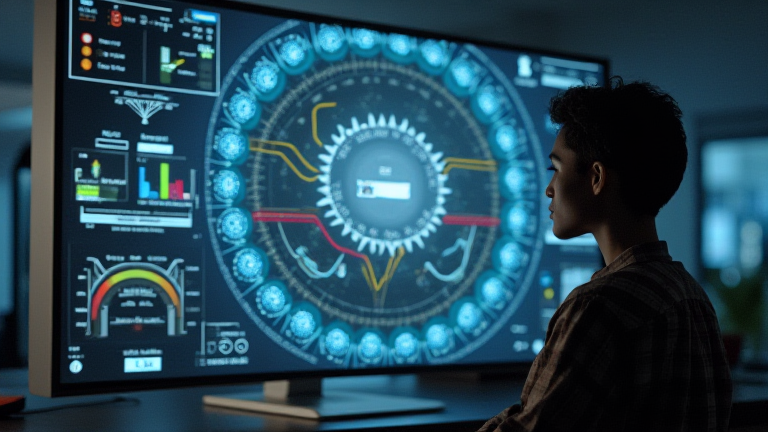
    The year 2026 marks a pivotal inflection point in the technology landscape. As we navigate through the first half of the year, it is evident that Artificial Intelligence has transitioned from a buzzword to the foundational infrastructure of modern computing. This article explores the critical shifts defining our digital reality, focusing on hardware advancements, software evolution, and the profound societal impacts of these changes.

    The AI Revolution Deepens

    Generative AI is no longer limited to chatbots. We are witnessing the rise of “AI Agents”—autonomous systems capable of executing complex, multi-step tasks without human intervention. These agents are reshaping customer service, software development, and data analysis. On the hardware front, specialized Neural Processing Units (NPUs) are becoming standard in consumer laptops and smartphones. These chips are designed to handle local AI workloads, reducing latency and enhancing privacy by keeping data processing on-device rather than in the cloud. Specifications for these new processors indicate a 40% increase in TOPS (trillions of operations per second) compared to previous generations, enabling real-time video generation and complex code compilation directly on personal devices.

    If you want to dig deeper, check out our guide on Climate Tech Funds Hit Record Global Highs.

    Sustainable Computing and Green Tech

    Environmental concerns are driving innovation in hardware design. Major tech giants are committing to carbon-neutral data centers by 2025. This shift involves adopting liquid cooling systems that reduce energy consumption by up to 30% and utilizing renewable energy sources more efficiently. Furthermore, the circular economy is influencing device longevity. Manufacturers are now designing modular smartphones and laptops, allowing users to replace individual components like batteries or screens, thereby extending the product lifecycle and reducing electronic waste.

    The Spatial Computing Era

    While Virtual Reality has had its ups and downs, 2026 sees the mainstream adoption of Mixed Reality (MR). Headsets are becoming lighter, with resolutions exceeding 8K per eye, offering near-eye-display clarity that blurs the line between digital and physical worlds. These devices are not just for gaming; they are transforming remote collaboration. Engineers can


    Related Articles

  • Top 10 Trends to Watch in 2026: Stay Ahead of the Curve

    Top 10 Trends to Watch in 2026: Stay Ahead of the Curve

    Top 10 Trends to Watch in 2026: Stay Ahead of the Curve

    The business landscape of 2026 is defined by rapid technological integration, shifting consumer behaviors, and an urgent mandate for sustainability. As we navigate through the mid-year mark, it is evident that the strategies which secured success in 2023 are no longer sufficient for long-term growth. Companies must now pivot toward agile, data-driven, and human-centric models to remain competitive. This article explores the critical trends shaping the global market, backed by recent data and expert analysis.

    First and foremost, Artificial Intelligence (AI) has moved beyond hype into practical application. Generative AI is not just a tool for content creation; it is reshaping customer service, supply chain logistics, and product development. According to a recent report by Gartner, by 2025, over 80% of enterprises will have used generative AI APIs or deployed generative AI-enabled applications, up from less than 5% in 2023. This exponential growth signifies a fundamental shift in how businesses operate, automating complex tasks and allowing human talent to focus on strategic innovation.

    Secondly, sustainability is no longer a optional corporate social responsibility initiative but a core business imperative. Consumers are increasingly demanding transparency regarding environmental impact. Market data indicates that 66% of global consumers are willing to pay more for sustainable brands. Consequently, companies are integrating circular economy principles into their operations, focusing on waste reduction, energy efficiency, and ethical sourcing. Experts predict that ESG (Environmental, Social, and Governance) criteria will become a primary factor in investment decisions, driving capital toward truly sustainable enterprises.

    Thirdly, the future of work continues to evolve with the rise of hybrid and remote models. However, the focus has shifted from mere flexibility to productivity and well-being. Organizations are investing heavily in digital collaboration tools and mental health support systems to combat burnout. Deloitte’s latest Global Gen Z and Millennial Survey highlights that 68% of employees consider work-life balance more important than salary increases. This shift requires leaders to adopt new management styles that prioritize

    Related Articles

  • Personalized Gene Therapies Go Mainstream: What You Need to Know

    Personalized Gene Therapies Go Mainstream: What You Need to Know

    Personalized Gene Therapies Go Mainstream: What You Need to Know

    The landscape of modern medicine is undergoing a seismic shift. For decades, healthcare has operated on a one-size-fits-all model, where treatments are designed for the average patient rather than the individual. However, we are now witnessing the dawn of a new era where personalized gene therapies are moving from experimental labs to mainstream clinical applications. This transition represents not just an incremental improvement, but a fundamental reimagining of how we prevent, treat, and potentially cure complex diseases. The promise of tailored genetic interventions offers hope to millions suffering from rare disorders, autoimmune conditions, and even certain forms of cancer that have historically resisted conventional treatment methods.

    At the heart of this revolution are several key features that distinguish personalized gene therapies from traditional pharmaceuticals. First and foremost is precision targeting. Unlike broad-spectrum drugs that affect the entire body, gene therapies are engineered to interact specifically with mutated genes or cellular pathways unique to the patient’s genetic profile. This specificity significantly reduces side effects and enhances efficacy. Secondly, the diagnostic component has become increasingly sophisticated. Advanced genomic sequencing technologies allow physicians to identify minute genetic variations with unprecedented speed and accuracy. This data-driven approach ensures that the therapy administered is not just theoretically sound, but practically viable for the specific individual receiving it.

    When comparing personalized gene therapies to traditional treatments, the differences are stark. Traditional medication often requires lifelong daily administration to manage symptoms rather than cure the underlying cause. In contrast, many gene therapies are designed as one-time interventions that provide long-term or even permanent relief by correcting the genetic defect at its source. For instance, while chemotherapy attacks both healthy and cancerous cells, leading to severe side effects, CAR-T cell therapy—a form of personalized gene treatment—modifies a patient’s own immune cells to recognize and destroy cancer cells with remarkable precision. While the upfront cost of gene therapy is higher, the long-term economic benefits, including reduced hospitalizations and fewer ongoing treatments, present a compelling value proposition.

    If you want to dig deeper, check out our guide on Sustainable Aviation Fuels Gain Traction: The Future of Flig.

    Can AI Agents Replace Entry-Level Coding Jobs?

  • Space Tourism Shifts: From Luxury to Mid-Tier Market
  • Remote Work Policies Face Legal Scrutiny: What You Need to Know

    Remote Work Policies Face Legal Scrutiny: What You Need to Know

    # Remote Work Policies Face Legal Scrutiny: What You Need to Know

    The era of the digital nomad has transitioned from a niche luxury to a global standard, reshaping how we define work, leisure, and legal responsibility. As companies scramble to adapt their remote work policies, a new layer of complexity has emerged: legal scrutiny. This shift is not merely about productivity metrics or office culture; it is fundamentally about jurisdiction, taxation, and labor rights. For the modern professional, understanding these legal undercurrents is essential for maintaining both financial stability and personal freedom.

    ## The Jurisdictional Maze

    When you work remotely from a different state or country, you are no longer just an employee; you are a variable in a complex legal equation. Companies are increasingly wary of “permanent establishment” risks. If an employee works from home in a new location for too long, their employer might be deemed to have a physical presence there, triggering local tax obligations and regulatory compliance. This legal pressure is forcing HR departments to create rigid geographic boundaries for remote roles, often limiting options for those who wish to travel while working.

    ## Travel as a Legal Liability

    For the travel enthusiast, this legal tightening presents a significant challenge. The dream of working from a café in Lisbon or a beachside villa in Bali is increasingly tempered by the reality of visa restrictions and tax laws. Many countries have introduced specific digital nomad visas, but these come with strict income thresholds and time limits. Furthermore, employers are beginning to include clauses in contracts that prohibit working from jurisdictions where they do not have a legal entity. This means that your ability to explore new cultures is now contingent on a legal review of your itinerary, turning every vacation planning session into a risk assessment.

    ## Food and Culture in the Legal Framework

    One might wonder how food and culture fit into this rigid legal landscape. They don’t, directly, but they are the casualties of restrictive policies. The vibrant exploration of local cuisines and cultural immersion often requires staying in one place for extended periods. When legal teams mandate frequent relocations or prohibit long-term stays in certain regions, the depth of cultural engagement suffers. The spontaneous lunch with a local artisan or the deep dive into a regional culinary tradition becomes harder to achieve when you are constantly moving to comply with corporate compliance rules.

    ##

    Related Articles

  • Can AI Agents Replace Entry-Level Coding Jobs?

    Can AI Agents Replace Entry-Level Coding Jobs?

    The Algorithmic Itinerary: Finding Humanity in a Code-Heavy World

    The sun dipped below the horizon, painting the sky in hues of burnt orange and deep violet as I sat at a small, weathered wooden table in a bustling market in Lisbon. The air was thick with the scent of grilled sardines, fresh basil, and the salty tang of the Atlantic breeze. In my hand, a warm cup of *bica*—a strong, sweet Portuguese espresso—warmed my palms, a stark contrast to the cool, sterile glow of my laptop screen. For weeks, I had been grappling with a question that felt heavier than the humid summer air: Can AI agents truly replace entry-level coding jobs, or are we merely outsourcing our creativity to machines that lack a soul?

    Travel has always been my compass, a way to recalibrate my perspective when the digital world feels too loud, too fast, and too automated. Just as exploring a new city requires more than just reading a guidebook, writing code requires more than just syntactic precision. It demands empathy, context, and a deep understanding of human needs. When I walked through the narrow, winding alleys of Alfama, I realized that every stone had a story, every shadow held a memory. Similarly, every line of code tells a story of human intent. AI can generate functions, but it cannot feel the frustration of a user struggling with a confusing interface or the joy of a seamless interaction.

    If you want to dig deeper, check out our guide on Boost Mental Health With Personalized AI Apps.

    Food, too, offers a profound lesson in this debate. A chef might use a recipe generator to plan meals, but the magic lies in the seasoning, the timing, and the love poured into the dish. An AI can suggest ingredients, but it cannot taste the nuance of a perfectly ripened tomato or understand the cultural significance of a family recipe passed down through generations. Entry-level coding jobs are often about learning the “ingredients” of software development—debugging, testing, and basic architecture. These are foundational skills that require patience and curiosity, traits that are deeply human. AI can accelerate the process, but it cannot replace the journey of growth.</p

    Related Articles

  • Step-by-Step Tutorial: How to Master Mindfulness in 10 Minutes

    Step-by-Step Tutorial: How to Master Mindfulness in 10 Minutes

    Modern life moves at a breakneck pace, leaving little room for mental clarity. However, mastering mindfulness does not require hours of meditation or retreats to remote mountains. You can cultivate a profound sense of presence and calm in just ten minutes a day. This guide provides a streamlined, effective approach to integrating mindfulness into your busy schedule, ensuring you reap the benefits of reduced stress and improved focus without needing extensive prior experience.

    First, create a dedicated space for your practice. This does not need to be a shrine or a quiet room; a comfortable chair in your home office or even a quiet corner of your bedroom suffices. The key is consistency. Sit upright with your spine straight but relaxed, allowing your hands to rest gently on your knees. Close your eyes or soften your gaze toward a fixed point. This physical posture signals to your brain that it is time to shift from action to awareness.



    If you want to dig deeper, check out our guide on Integrate Mental Health Apps Into Care for Better Outcomes.

    The Ten-Minute Routine

    Begin by setting a timer for ten minutes. Use the first two minutes to simply observe your breath. Do not try to control it; just notice the cool air entering your nostrils and the warm air leaving. When your mind inevitably wanders to your to-do list or past conversations, gently acknowledge the thought without judgment and guide your attention back to the breath. This act of returning is the core exercise of mindfulness.

    In the next four minutes, expand your awareness to include physical sensations. Notice the weight of your body against the chair, the temperature of the room, and any subtle tensions in your muscles. This body scan helps anchor you in the present moment, pulling you out of rumination about the past or anxiety about the future.

    For the final four minutes, practice open monitoring. Observe sounds, thoughts, and feelings as they arise and pass away like clouds in the sky. Do not engage with them; simply watch them. As you

    Related Articles

  • Circular Fashion Gains Mainstream Retail Share | SEO Blog Title

    Circular Fashion Gains Mainstream Retail Share | SEO Blog Title

    Circular Fashion Gains Mainstream Retail Share | SEO Blog Title

    The fashion industry is undergoing a profound transformation. No longer confined to niche boutiques, circular fashion is rapidly gaining mainstream retail share. This shift represents more than just a trend; it is a necessary evolution driven by environmental urgency and consumer demand for transparency. For health and wellness enthusiasts, adopting a circular wardrobe is not merely an ethical choice but a holistic lifestyle upgrade that benefits both personal well-being and planetary health.

    The Health Impact of Fast Fashion

    Traditional “fast fashion” relies heavily on synthetic fibers like polyester, which shed microplastics during washing. These tiny particles enter our water supply and eventually our food chain, accumulating in human tissue. Recent studies suggest a link between high microplastic exposure and hormonal disruptions, inflammation, and oxidative stress. By choosing circular fashion, you prioritize quality over quantity. Circular models emphasize durability, repairability, and biodegradable materials such as organic cotton, hemp, and Tencel. These natural fibers are breathable, hypoallergenic, and free from the toxic chemical dyes often used in conventional manufacturing. When your skin breathes and your body is not burdened by invisible toxins, your overall physiological resilience improves.

    Practical Tips for a Circular Wardrobe

    Transitioning to a circular lifestyle requires mindful consumption. Start by auditing your current closet. Identify items that are damaged and repair them, or upcycle them into new pieces. This practice fosters a deeper connection to your belongings, reducing the impulse buy cycle that contributes to mental clutter and financial stress. Second, support brands that offer take-back programs. Many major retailers now provide incentives for returning worn-out garments for recycling. This ensures materials are kept in use for as long as possible, reducing the extraction of raw resources.

    Furthermore, embrace the “capsule wardrobe” concept. Curating a smaller selection of versatile, high-quality items reduces decision fatigue and promotes mental clarity. When you own fewer, better pieces, you spend less time searching for clothes and more time enjoying life. This simplicity aligns with wellness principles, reducing cortisol levels associated with chaotic routines.

    Conclusion

    As circular fashion moves into the mainstream, it

    Related Articles

  • Climate Tech Funds Hit Record Global Highs

    Climate Tech Funds Hit Record Global Highs

    Climate Tech Funds Hit Record Global Highs

    The global financial landscape is undergoing a seismic shift. For the first time in history, climate technology funds have surpassed record-breaking highs, signaling a decisive pivot in how capital views sustainability. This isn’t just a trend; it is a structural transformation. As billions flow into renewable energy, carbon capture, and sustainable agriculture, the ripple effects extend far beyond balance sheets. They reshape our travel destinations, redefine our culinary experiences, and challenge our personal values. The intersection of green finance and everyday lifestyle is creating new opportunities for conscious living, offering a roadmap for those who wish to align their daily choices with this historic economic movement.

    Redefining Sustainable Travel

    As capital floods into green aviation and eco-infrastructure, the way we explore the world is changing. Air travel, historically a carbon-heavy nightmare, is seeing innovation driven by these massive funds. Sustainable Aviation Fuel (SAF) production is scaling up, making shorter, greener flights more viable. Consider the rise of “slow travel” hubs in Scandinavia and New Zealand, where investments in high-speed rail and electric ferries have transformed long-distance journeys into scenic, low-impact adventures. Travelers are no longer just passive consumers; they are participants in a green mobility revolution. The allure of a destination is now inextricably linked to its environmental integrity. Hotels powered by solar microgrids and resorts built with carbon-negative materials are becoming the new standard for luxury. This shift encourages a deeper connection with local ecosystems, fostering a culture of respect rather than extraction.

    If you want to dig deeper, check out our guide on Neuroadaptive Interfaces: Replacing Traditional Screens.

    The Green Plate Revolution

    On the dining table, the impact of climate tech is equally profound. The surge in funding for alternative protein startups has moved lab-grown meat and plant-based innovations from niche curiosity to mainstream necessity. High-end restaurants in cities like London and San Francisco are now featuring menus that highlight carbon-footprint transparency. Imagine savoring a meal where every ingredient’s journey from farm to fork is tracked via blockchain, ensuring minimal environmental harm. This transparency empowers diners to make choices that support regenerative agriculture. Furthermore, investments in vertical farming and precision agriculture are bringing hyper-local produce to urban centers, reducing food miles and enhancing flavor profiles. Food is no longer just sustenance; it is a political and ecological statement, reflecting the values embedded in the global climate tech boom.</

    Related Articles

  • Quantum Computing Hits Commercial Viability: What’s Next?

    Quantum Computing Hits Commercial Viability: What’s Next?

    Quantum Computing Hits Commercial Viability: What’s Next?

    Abstract visualization of quantum circuits and data streams

    For decades, quantum computing remained a theoretical curiosity, confined to the sterile, humming servers of university laboratories and tech giants’ R&D departments. It was a realm of superposition and entanglement, fascinating to physicists but largely irrelevant to the daily rhythms of modern life. However, as the industry crosses the threshold into commercial viability, the implications ripple far beyond code and cryptography. They touch the very fabric of how we travel, eat, and connect with our planet. To understand the future, we must look past the binary and into the lived experience of a quantum-enhanced world.

    Consider the art of travel. For years, the frustration of the airport lay in the inefficiency of logistics. Traffic jams, delayed flights, and crowded terminals were accepted as the tax of movement. Today, quantum algorithms are solving complex optimization problems in real-time. Airlines are no longer guessing; they are calculating. A quantum processor can analyze millions of variables—weather patterns, air traffic control constraints, fuel efficiency, and passenger preferences—in seconds. The result is a seamless journey. Your flight path is optimized to save fuel and time, while ground transportation is synchronized to ensure that by the time you land, your car is waiting, and your connection is secured. Travel becomes less about endurance and more about immersion, allowing you to arrive rested and ready to explore.

    The impact extends equally to our plates. The global food supply chain is fragile, vulnerable to climate shifts and logistical bottlenecks. Quantum computing offers a lens of unprecedented clarity. By modeling climate data at a granular level, agricultural scientists can predict crop yields with startling accuracy. This allows for smarter planting schedules and reduced waste. Furthermore, quantum simulations are accelerating the discovery of new materials for sustainable packaging and synthetic proteins. Imagine a world where your dinner is not only delicious but also created through processes that leave a negligible carbon footprint. The quantum revolution in food is not just about abundance; it is about sustainability and ethical consumption.

    On

    Related Articles

  • Top 10 Trends Shaping 2026: What You Need to Know

    Top 10 Trends Shaping 2026: What You Need to Know

    Top 10 Trends Shaping 2026: What You Need to Know

    The business landscape of 2026 is defined by a rapid intersection of artificial intelligence, sustainable practices, and evolving consumer behaviors. As organizations navigate post-pandemic recovery, the focus has shifted from mere survival to strategic adaptation. This year, technological innovation is no longer just a competitive advantage; it is a baseline requirement for operational resilience. According to recent market analysis, the global AI market is projected to expand by nearly 35% annually, driven by enterprise adoption of generative tools that streamline complex workflows and enhance decision-making processes.

    The Rise of Generative AI in Enterprise

    Generative AI remains the dominant force reshaping industries. From healthcare diagnostics to creative marketing campaigns, AI-driven solutions are reducing operational costs by up to 30% in early adopter sectors. Experts predict that by the end of 2026, over 80% of enterprises will have experimented with generative AI models, compared to less than 5% in early 2023. This shift is not merely about efficiency but about reimagining product development cycles. As noted by leading tech analysts, the integration of AI into legacy systems presents both challenges and opportunities, requiring robust data governance frameworks to ensure ethical and secure implementation.

    Sustainability as a Core Business Strategy

    Simultaneously, sustainability has moved from a corporate social responsibility initiative to a core business strategy. Consumers are increasingly demanding transparency regarding supply chains and carbon footprints. Market data indicates that companies with verified sustainability reports see a 20% higher brand loyalty rate among millennials and Gen Z. The regulatory environment is also tightening, with new EU and US regulations mandating stricter environmental disclosures. Businesses that fail to adapt risk not only financial penalties but also significant reputational damage in an era where digital footprints are permanent.

    The Hybrid Work Evolution

    The concept of hybrid work continues to evolve, moving beyond simple remote options to structured “work-anywhere” models. Organizations are investing heavily in digital collaboration

    Related Articles