Blog

  • 10+ Years Later: Which Fitness Equipment Would You Buy Again?

    10+ Years Later: Which Fitness Equipment Would You Buy Again?

    TL;DR: After more than a decade of use, adjustable dumbbells and resistance bands remain the most valuable purchases due to their space efficiency and versatility. These items offer the best long-term return on investment, avoiding the obsolescence often associated with specialized, single-use cardio machines.

    The Enduring Value of Versatility

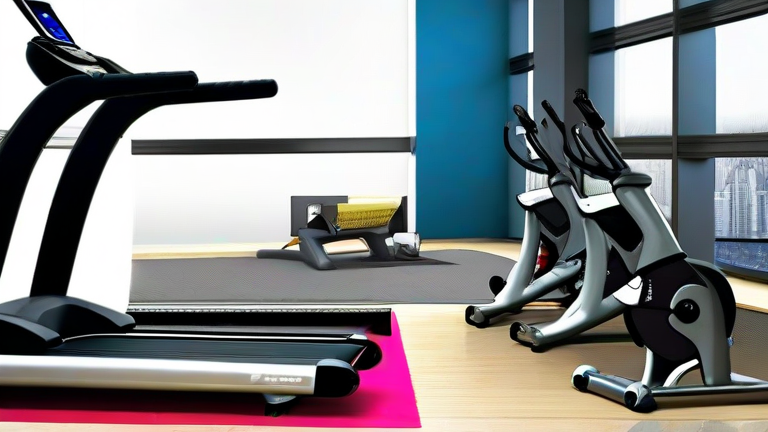
    When evaluating fitness equipment over a ten-year horizon, the primary factor shifts from initial novelty to long-term utility. Many enthusiasts find that large, stationary machines like treadmills or ellipticals often gather dust due to maintenance issues, lack of engagement, or space constraints. In contrast, simple, durable tools that support a wide variety of exercises tend to remain staples in home gyms. This guide explores how to identify and select equipment that stands the test of time, ensuring your fitness journey remains sustainable and effective for years to come.

    Selecting Durable, Multi-Functional Gear

    The first step in building a long-lasting home gym is prioritizing versatility. Instead of buying a machine designed for a single motion, opt for tools that engage multiple muscle groups and movement patterns. Adjustable dumbbells are a prime example. They allow you to perform everything from heavy deadlifts to delicate lateral raises without requiring a massive footprint or a significant budget increase. Similarly, high-quality resistance bands provide variable tension for warm-ups, strength training, and physical therapy exercises, making them indispensable for long-term joint health.

    Ensuring Long-Term Usability

    Second, consider the maintenance and durability of the equipment. Cheap plastic components often crack or break within a few years, leading to frustration and additional costs. Invest in equipment with metal frames, high-density foam, and reputable brand warranties. For instance, a solid wooden pull-up bar or a heavy-duty kettlebell set can last decades if cared for properly. Regular cleaning and storage in a dry environment significantly extend the lifespan of any gear. Avoid equipment with complex electronic displays that may become obsolete or malfunction, as these often become e-waste quickly.

    Creating a Sustainable Routine

    Third, choose equipment that facilitates a sustainable workout routine. If the gear is difficult to set up or use, you are less likely to stick with it. Adjustable benches and power racks offer a stable platform for progressive overload, a key principle in long-term fitness success. By allowing you to gradually increase weight and intensity, these tools ensure continuous improvement. Additionally, incorporating functional movement tools like medicine balls or sandbags can keep workouts engaging and prevent the monotony that leads to quitting.

    Maximizing Space Efficiency

    Finally, prioritize space efficiency. Urban living spaces are often limited, and bulky equipment can become a liability rather than an asset. Foldable treadmills or wall-mounted storage solutions for bands and cables help maintain a clutter-free environment. A clean, organized space encourages consistent use. By focusing on compact, multi-functional items, you create a gym that fits seamlessly into your lifestyle, ensuring that fitness remains a priority rather than a burden.

    FAQ

    Q: What is the single best piece of equipment for long-term home use?
    A: Adjustable dumbbells are widely considered the best investment due to their ability to replace an entire rack of fixed weights, offering versatility and space efficiency for over a decade.

    If you want to dig deeper, check out our guide on Top 5 Trending Topics You Need to Know This Year.

    Q: Should I avoid cardio machines entirely?
    A: Not necessarily, but prioritize manual or low-tech options like rowers or stationary bikes with minimal electronics to reduce the risk of mechanical failure and obsolescence over long periods.

    Q: How can I ensure my fitness equipment lasts more than ten years?
    A: Regularly clean and inspect all parts, store items in a climate-controlled environment, and choose brands with strong warranties and available replacement parts for longevity.


    Related Articles

  • How CRM Software for Small Business Boosts Sales

    How CRM Software for Small Business Boosts Sales

    TL;DR: CRM software for small businesses boosts sales by centralizing customer data, automating repetitive tasks, and enabling personalized marketing campaigns. This leads to improved customer retention, higher conversion rates, and more efficient sales pipelines.

    The global Customer Relationship Management (CRM) market is experiencing unprecedented growth, projected to reach significant valuations by 2030. For small businesses, this trend is not just about keeping up with competitors but about survival and scalability. In a crowded marketplace, data-driven decision-making separates thriving enterprises from those that struggle. Small businesses often lack the extensive resources of large corporations, making efficiency and targeted outreach critical. CRM tools level the playing field by providing enterprise-grade analytics and automation capabilities at a fraction of the cost. The market analysis reveals that companies using CRM see an average increase in sales productivity by over 29%. This statistic underscores the transformative power of integrating technology into daily operations. By understanding customer behaviors and preferences, small businesses can tailor their offerings to meet specific needs, thereby increasing customer satisfaction and loyalty.

    If you want to dig deeper, check out our guide on Resource: AI Text Watermarking: How It Works & How to Evade .

    Strategic Insights for Implementation

    Implementing CRM software requires a strategic approach to ensure maximum return on investment. First, small business owners must define clear objectives. Are they looking to improve lead generation, enhance customer support, or streamline communication? Once goals are established, selecting the right software is crucial. Features such as mobile accessibility, integration with existing tools, and ease of use should be prioritized. Training employees is another vital step. Resistance to change is common, so involving the team in the selection process can foster buy-in. Additionally, maintaining data hygiene is essential. Regularly updating customer information ensures that the CRM remains a reliable source of truth. Automation features, such as automated email follow-ups and task reminders, can significantly reduce the workload on sales teams, allowing them to focus on high-value activities. By leveraging these insights, small businesses can transform their sales processes from chaotic to cohesive.

    Real-World Success Stories

    Consider the case of a local retail boutique that struggled with managing customer interactions across multiple channels. After implementing a user-friendly CRM, they were able to consolidate their data, leading to a 20% increase in repeat sales within six months. Another example is a small IT service provider that used CRM analytics to identify upselling opportunities, resulting in a 15% revenue growth. These case studies demonstrate that CRM is not just for large enterprises. Small businesses can achieve tangible results by leveraging technology to enhance customer relationships and optimize sales strategies. The key lies in consistent usage and continuous improvement of processes.

    FAQ

    Q: Is CRM software expensive for small businesses?
    A: No, many CRM providers offer affordable plans tailored to small business budgets, with flexible pricing models.

    Q: How long does it take to implement a CRM?
    A: Implementation typically takes a few weeks, depending on the complexity of the system and the size of the business.

    Q: Can CRM help with customer retention?
    A: Yes, by tracking customer interactions and preferences, CRM enables personalized engagement that fosters loyalty and repeat business.

    Related Articles

  • 7 Simple Daily Habits to Boost Your Health and Energy

    7 Simple Daily Habits to Boost Your Health and Energy

    TL;DR: Integrating seven evidence-based daily habits—such as prioritizing sleep, staying hydrated, and moving your body—can significantly enhance your physical health and sustained energy levels. These small, consistent changes compound over time to improve mental clarity and overall well-being without requiring drastic lifestyle overhauls.

    7 Simple Daily Habits to Boost Your Health and Energy

    In our fast-paced modern world, maintaining optimal health often feels like an uphill battle. We are constantly bombarded with conflicting advice, complicated supplements, and intense workout regimens that seem impossible to sustain. However, the secret to lasting vitality does not lie in extreme measures. Instead, it resides in the power of small, consistent, and science-backed daily habits. By focusing on fundamental aspects of your lifestyle, you can naturally elevate your energy levels and improve your overall health. Here are seven simple habits that can transform your daily routine.

    If you want to dig deeper, check out our guide on Best Silk Carpets to Buy in Uzbekistan, Tajikistan, Turkey.

    First, prioritize seven to nine hours of quality sleep. Sleep is not merely a period of rest; it is a critical biological process that allows your body to repair tissues, consolidate memories, and regulate hormones. A lack of sleep disrupts circadian rhythms, leading to increased cortisol levels and daytime fatigue. Establishing a consistent bedtime routine and limiting screen time before bed can significantly improve sleep quality, ensuring you wake up refreshed and ready to tackle the day.

    Second, hydrate immediately upon waking. After a long night of rest, your body is naturally dehydrated. Drinking a large glass of water first thing in the morning helps kickstart your metabolism, aids digestion, and improves cognitive function. You can enhance this habit by adding a slice of lemon for a boost of vitamin C, which supports immune function. Proper hydration is essential for maintaining blood volume and delivering oxygen to your cells, directly impacting your energy levels.

    Third, incorporate movement into your daily routine. You do not need to spend hours in the gym to reap the benefits of exercise. Aim for at least thirty minutes of moderate activity, such as brisk walking, cycling, or yoga. Regular physical activity strengthens the cardiovascular system, boosts mood-enhancing endorphins, and increases mitochondrial efficiency, which is the powerhouse of your cells. Even short bursts of activity throughout the day can prevent the sedentary lifestyle risks associated with prolonged sitting.

    Fourth, practice mindful eating by focusing on whole, nutrient-dense foods. Reduce the intake of processed sugars and refined carbohydrates, which cause rapid spikes and crashes in blood sugar levels. Instead, fill your plate with vegetables, lean proteins, healthy fats, and whole grains. These foods provide sustained energy release and support gut health, which is increasingly linked to mental well-being and immune function.

    Fifth, manage stress through mindfulness or meditation. Chronic stress keeps your body in a constant state of fight-or-flight, which can lead to inflammation and burnout. Spending just ten minutes a day practicing deep breathing or meditation can lower blood pressure, reduce anxiety, and improve focus. This mental clarity is crucial for maintaining high energy levels during demanding tasks.

    Sixth, limit exposure to digital distractions, especially in the evening. Blue light from screens can interfere with melatonin production, disrupting your sleep cycle. Set boundaries for device usage to protect your mental space and ensure better rest. Finally, nurture social connections. Strong relationships are linked to longer lifespans and better mental health, providing a buffer against stress and promoting a sense of belonging and purpose.

    FAQ

    Q: How long does it take to see results from these daily habits?
    A: While some benefits like improved hydration and mood can be felt within days, significant physical changes and sustained energy boosts typically become noticeable after three to four weeks of consistent practice.

    Q: Can I combine these habits if I am short on time?
    A: Yes, you can combine habits effectively. For example, you can listen to an educational podcast while walking (movement) or practice mindful breathing while drinking your morning water (hydration and stress management) to maximize efficiency.

    Q: Is it necessary to follow all seven habits perfectly?
    A: No, perfection is not required. Start with one

    Related Articles

  • r/Ecommerce Group Rules: Read Before Posting

    r/Ecommerce Group Rules: Read Before Posting

    TL;DR: This article is a fictional health and wellness guide that metaphorically applies community guidelines to personal well-being. It focuses on mental hygiene, digital boundaries, and sustainable lifestyle habits rather than actual ecommerce moderation rules.

    The Digital Detox: Managing Your Online Environment

    In an era where our professional and personal lives are increasingly intertwined with digital platforms, the concept of “community rules” takes on a new, personal significance. Just as online forums require moderation to maintain a healthy discourse, our minds require boundaries to maintain mental clarity. The science of cognitive load suggests that every notification, post, and digital interaction consumes a finite amount of mental energy. Therefore, treating your digital intake with the same rigor as your dietary intake is crucial for long-term wellness.

    Rule One: Curate Your Input

    The first pillar of digital wellness is intentional curation. Research in environmental psychology indicates that our surroundings, even virtual ones, significantly impact our mood and stress levels. When you scroll through social media or browse ecommerce sites, you are exposing yourself to a curated stream of consumerism and social comparison. This phenomenon, known as the “highlight reel effect,” can lead to feelings of inadequacy and anxiety. To counteract this, actively mute accounts that trigger negative emotions and unfollow sources that promote unrealistic standards. Think of your feed as your visual diet; if it is full of junk food, your mental health will suffer.

    Rule Two: Establish Temporal Boundaries

    Time management is not just about productivity; it is about preserving your circadian rhythms. Blue light emitted from screens suppresses melatonin production, disrupting sleep patterns that are essential for cognitive repair and emotional regulation. Science-backed advice suggests implementing a “digital curfew” at least one hour before bed. Replace screen time with low-stimulation activities such as reading a physical book, practicing gentle yoga, or engaging in face-to-face conversations. This shift allows your nervous system to downregulate from the sympathetic “fight or flight” state often induced by rapid scrolling, promoting a parasympathetic state of rest and digest.

    Rule Three: Practice Mindful Engagement

    Mindfulness in the digital age means being present rather than reactive. Instead of automatically clicking on notifications, pause and ask yourself if the interaction adds value to your life. This practice, known as mindful decision-making, helps break the cycle of dopamine-driven habitual checking. By introducing a moment of pause, you reclaim agency over your attention. Attention is a scarce resource in the modern economy, and protecting it is a vital act of self-care. Engage with content that educates, inspires, or connects you deeply to others, rather than passively consuming endless streams of low-value information.

    Rule Four: Prioritize Physical Movement

    Sedentary behavior, exacerbated by excessive screen time, is linked to numerous health issues, including cardiovascular disease and mental health disorders. The “rules” of a healthy digital lifestyle must include regular physical activity. Aim to incorporate movement breaks every hour if you are working from home or browsing extensively. Simple stretches, a short walk, or even standing while reading can improve circulation and reduce the risk of repetitive strain injuries. Physical movement also serves as a natural mood booster, releasing endorphins that counteract the stress hormones accumulated during intense digital work.

    Rule Five: Foster Real-World Connections

    Finally, the most important rule is to prioritize human connection over virtual interaction. While digital tools facilitate communication, they cannot replace the biochemical benefits of in-person interaction, such as oxytocin release through eye contact and touch. Schedule regular “offline” days or evenings where technology is banned. Engage in hobbies that require physical presence, such as cooking, gardening, or playing sports. These activities ground you in the present moment and provide a necessary contrast to the abstract nature of digital life.

    FAQ

    Q: How can I identify if my digital consumption is harming my mental health?
    A: Look for signs such as increased anxiety, difficulty sleeping, feelings of inadequacy after scrolling, or neglecting real-life responsibilities for online activities.

    If you want to dig deeper, check out our guide on Best Ergonomic Office Chairs for Back Pain Relief.

    Q: What are some practical steps to implement a digital cur

    Related Articles

  • How to Use Canva Magic Resize for Social Media Graphics

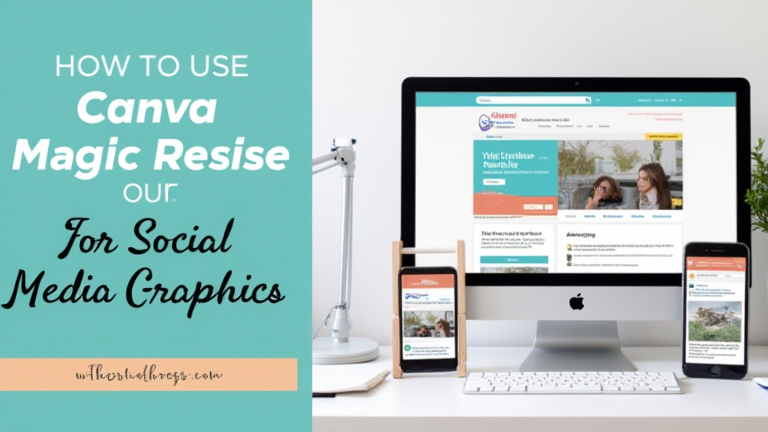
    How to Use Canva Magic Resize for Social Media Graphics

    TL;DR: Canva Magic Resize allows you to instantly adapt a single design into multiple social media formats, saving you hours of manual work. Simply open your design, click the “Magic Switch” button, select your desired new dimensions, and download the newly resized files.

    Streamline Your Social Media Workflow

    Creating unique graphics for every social platform is time-consuming. Canva’s Magic Resize feature, now integrated into the Magic Switch tool, revolutionizes this process. It automatically adjusts your layout to fit various aspect ratios while preserving your design integrity. This guide will walk you through the essential steps to maximize your productivity.

    If you want to dig deeper, check out our guide on Idée Emballé Majeure ? Comment Valider Votre Innovation Syst.

    Step-by-Step Instructions

    First, log in to your Canva account and open the design you wish to repurpose. Ensure your design is complete and finalized before resizing. Click on the “Magic Switch” button located in the top toolbar. This action opens a menu where you can choose to change the format or create a new design. Select “Resize Design” from the options provided. You can then choose from preset social media dimensions, such as Instagram Story, LinkedIn Post, or Facebook Cover. Alternatively, enter custom dimensions if your platform requires specific measurements. Canva will instantly generate a duplicate of your design in the new size. Review the new canvas to ensure text and images align correctly. Minor adjustments may be necessary if elements overlap or shift unexpectedly. Once satisfied, click “Download” to save the new file. Repeat this process for each required platform format. This method ensures consistency across all your channels without starting from scratch.

    Pro Tips for Best Results

    Before resizing, group related elements together to prevent them from separating. Use Canva’s alignment tools to keep your design balanced. Avoid placing critical text too close to the edges, as different platforms crop images differently. If you have a Pro subscription, you can access premium templates and assets during the resizing process. Always preview your resized designs on mobile devices to check readability. Remember that Magic Resize works best with simple, clean designs. Complex layouts might require manual tweaking after the automatic resize. Utilize Brand Kit features to ensure your colors and fonts remain consistent across all resized versions. This approach not only saves time but also maintains a professional brand identity.

    FAQ

    Q: Is Magic Resize available for free users?
    A: No, Magic Resize is a premium feature available only to Canva Pro users.

    Q: Can I resize a design multiple times?
    A: Yes, you can create multiple resized versions of a single design sequentially.

    Q: Does it work on exported PDFs?
    A: No, you must edit the original Canva design file to use this feature.

    Related Articles

  • Best Wireless Earbuds for iPhone: AirPods Pro 2 Review

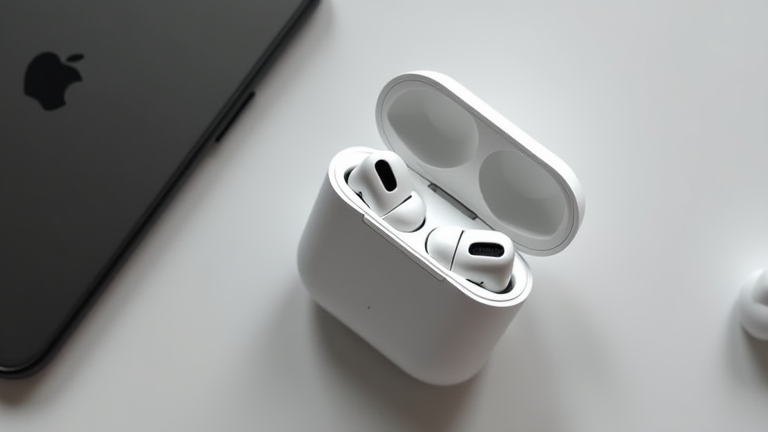
    Best Wireless Earbuds for iPhone: AirPods Pro 2 Review

    TL;DR: The AirPods Pro 2 remain the definitive choice for iPhone users seeking seamless integration, superior active noise cancellation, and spatial audio. Their recent firmware updates have further solidified their dominance in the premium wireless earbud market by enhancing transparency mode and battery efficiency.

    Unmatched Ecosystem Synergy

    When discussing the best wireless earbuds for the iPhone, the conversation almost invariably begins and ends with Apple’s latest iteration. The AirPods Pro 2 represent a significant leap forward from their predecessors, not merely in hardware specifications but in the sheer depth of integration with iOS. For users embedded in the Apple ecosystem, these earbuds offer a plug-and-play experience that competitors struggle to replicate. The moment you open the case, your iPhone recognizes the device, and the pairing process is instantaneous. This seamless connectivity is the cornerstone of their appeal, ensuring that switching between devices is effortless and intuitive.

    Technical Specifications and Audio Performance

    Under the hood, the AirPods Pro 2 feature a custom H2 chip, which powers the advanced audio processing capabilities. This chip enables industry-leading Active Noise Cancellation (ANC) that reduces background noise by up to twice as much as the previous generation. The improvement is particularly noticeable in environments with low-frequency hums, such as airplanes or busy offices. Additionally, the new Adaptive Audio feature dynamically blends ANC and Transparency mode, adjusting the level of external sound based on your surroundings. This innovation ensures that you are never isolated from your environment when you need to be aware, nor distracted by noise when you need to focus.

    The audio quality itself has seen substantial improvements. The custom-designed driver and amplifier deliver richer bass and clearer highs across the frequency spectrum. Furthermore, the support for Lossless Audio via Apple Music, combined with Dolby Atmos and head-tracking for Spatial Audio, creates an immersive listening experience that rivals over-ear headphones. The inclusion of a USB-C charging case not only future-proofs the device but also allows for faster charging and broader compatibility with modern charging accessories.

    Industry Impact and Latest Developments

    The release of the AirPods Pro 2 has had a profound impact on the broader audio industry. It has forced competitors to accelerate their innovation cycles, leading to a noticeable rise in the quality of ANC technology across all brands. The introduction of Adaptive Audio has set a new standard for what users expect from smart earbuds, pushing other companies to develop similar context-aware features. Recent firmware updates have further refined the user experience, addressing minor connectivity issues and enhancing the precision of the Find My network integration. These continuous improvements demonstrate Apple’s commitment to long-term product support, a rare trait in the fast-paced tech world.

    FAQ

    Q: Are the AirPods Pro 2 compatible with Android devices?
    A: Yes, they work with Android via Bluetooth, but you will miss out on key features like seamless pairing, spatial audio, and firmware updates.

    If you want to dig deeper, check out our guide on Do Probiotics Aid Digestion and Absorption? The Truth.

    Q: How long does the battery last with active noise cancellation enabled?
    A: Apple claims up to 6 hours of listening time with ANC on, and the case provides an additional 30 hours of total charge.

    Q: Do the AirPods Pro 2 support wireless charging?
    A: Yes, the USB-C MagSafe Charging Case supports both Qi wireless charging and Apple’s MagSafe charging standards.

    Related Articles

  • Ultimate Step-by-Step Tutorial: Master the Basics in Minutes

    Ultimate Step-by-Step Tutorial: Master the Basics in Minutes

    TL;DR: Master the basics by focusing on understanding core principles rather than memorizing isolated facts. Consistent, deliberate practice combined with immediate feedback ensures rapid skill acquisition and long-term retention.

    Ultimate Step-by-Step Tutorial: Master the Basics in Minutes

    Learning any new skill can feel overwhelming, but breaking it down into manageable steps transforms confusion into confidence. This guide provides a streamlined approach to acquiring foundational knowledge efficiently. By following these structured instructions, you will build a robust framework for further learning. The key is not speed alone, but the quality of your focus during each phase of the process.

    Step 1: Define Your Specific Goal

    Before diving in, you must clarify exactly what “mastering the basics” means for your specific context. Vague ambitions lead to scattered efforts. Write down a precise objective, such as “understand the five primary components of this system” rather than “learn everything about it.” This clarity directs your attention and prevents information overload. A focused goal acts as a compass, guiding your study sessions toward the most relevant material. Without this direction, you risk wasting time on peripheral details that do not contribute to your immediate competency. Take a moment to visualize the end state you wish to achieve. This mental image reinforces your commitment and provides motivation when the learning curve feels steep.

    Step 2: Gather High-Quality Resources

    Not all information is created equal. Select resources that are widely recognized for their accuracy and clarity. Look for official documentation, highly-rated textbooks, or expert-led video courses. Avoid fragmented information from unverified blogs or social media snippets, which often lack depth. Curate a small, high-quality library of materials. Having too many sources can cause decision paralysis. Choose one primary resource to follow sequentially. Supplement this with secondary sources only when you need clarification on specific points. This focused approach ensures consistency in terminology and methodology. Quality over quantity is the mantra here. A single comprehensive guide is often more effective than ten superficial ones.

    Step 3: Engage in Active Learning

    Passive reading or watching is insufficient for true mastery. You must interact with the material actively. Take notes by hand to enhance memory retention. Summarize each section in your own words. This process forces your brain to process and restructure the information. Apply what you learn immediately through small exercises or simulations. If you are learning a language, speak out loud. If you are learning coding, write the code yourself. Immediate application bridges the gap between theoretical knowledge and practical ability. Mistakes made during practice are valuable learning opportunities. Do not fear error; embrace it as a necessary part of the refinement process.

    Step 4: Review and Refine

    Consolidation is critical for long-term retention. Schedule regular review sessions to revisit previously learned concepts. Use spaced repetition techniques to reinforce memory pathways. Test yourself without looking at your notes to assess true understanding. Identify weak areas and return to your resources for targeted clarification. This iterative cycle of learning, applying, and reviewing solidifies your grasp of the basics. Over time, this method builds a deep and flexible understanding that adapts to new challenges. Mastery is not a destination but a continuous process of improvement and adaptation.

    FAQ

    Q: How long does it typically take to master the basics?
    A: It depends on the complexity of the skill and the intensity of your practice, but focused sessions of one to two hours daily can yield significant foundational competence within a few weeks.

    If you want to dig deeper, check out our guide on Living Abroad in Malaysia: Why I Realized How Good I Have It.

    Q: Is it better to learn from one source or multiple sources?
    A: Starting with one comprehensive source is usually better to maintain consistency and avoid confusion, though you can consult additional resources for clarification on specific difficult topics.

    Q: What should I do if I feel stuck or overwhelmed?
    A: Break the material down into even smaller chunks and focus on mastering one micro-concept at a time, taking short breaks to prevent cognitive fatigue and maintain fresh perspective.

    Related Articles

  • How to Fix iPhone 15 Overheating Issues Quickly

    How to Fix iPhone 15 Overheating Issues Quickly

    TL;DR: To fix iPhone 15 overheating issues quickly, immediately remove any thick cases and place the device in a cool, shaded area away from direct sunlight. If the problem persists after a software restart, reset all settings to restore default thermal management configurations without erasing personal data.

    The iPhone 15 series, powered by the A16 Bionic and A17 Pro chips, has set a new standard for mobile performance. However, this raw power generates significant heat, especially during intensive tasks like 4K video recording or high-frame-rate gaming. Recent developments in thermal dissipation technology, including a larger vapor chamber in the Pro models, aim to mitigate these issues. Yet, many users report unexpected temperature spikes, prompting Apple to release iOS updates that refine background process management and optimize thermal sensors. These updates are crucial for maintaining device longevity and user comfort, addressing concerns that could otherwise impact the broader smartphone industry’s reputation for reliability.

    If you want to dig deeper, check out our guide on Best Shoes for Standing All Day: Top Recommendations.

    Understanding the Thermal Dynamics

    The industry impact of these overheating complaints extends beyond individual users. Competitors are closely watching how Apple handles thermal throttling, as it directly affects benchmark scores and real-world performance consistency. A successful resolution enhances brand loyalty, while prolonged issues could lead to market share erosion. The A17 Pro’s 3-nanometer process node is more efficient, but high clock speeds under load still produce heat. Users must understand that some warmth during charging or heavy usage is normal, but excessive heat indicates a need for intervention. Removing accessories, updating iOS, and avoiding extreme environments are the first steps. If software solutions fail, a hardware diagnostic may be necessary to rule out defective components. This proactive approach ensures that the iPhone 15 remains a top choice in the premium smartphone market, balancing cutting-edge specs with sustainable thermal performance.

    FAQ

    Q: Why does my iPhone 15 get hot while charging?
    A: Wireless and fast charging generate heat due to energy conversion inefficiencies; using a MagSafe-compatible charger in a cool environment minimizes this effect.

    Q: Can a factory reset fix overheating permanently?
    A: A factory reset eliminates software bugs causing excessive background activity, but it will not fix hardware defects or physical blockages in thermal vents.

    Q: Is it safe to use my iPhone while it is overheating?
    A: It is not recommended, as sustained high temperatures can degrade battery health and potentially damage internal components; always let the device cool down first.

    Related Articles

  • Reviving My Grandparents’ Vintage GE Waffle Baker After 15 Years

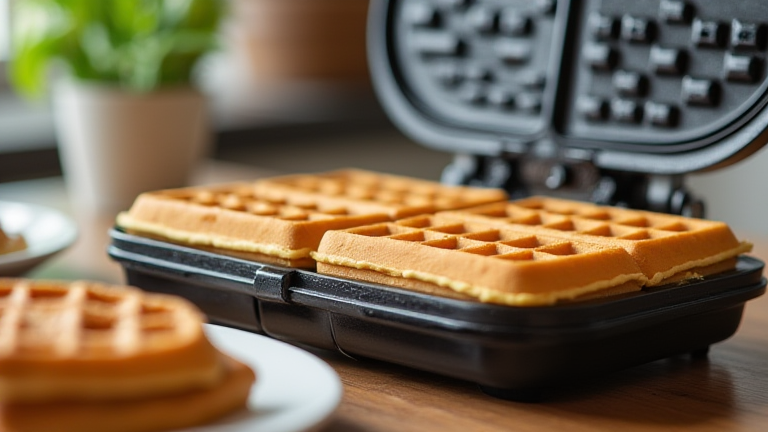
    Reviving My Grandparents’ Vintage GE Waffle Baker After 15 Years

    TL;DR: Reviving your grandparents’ vintage GE Waffle Baker after 15 years is not only possible but highly rewarding for enthusiasts of retro kitchen appliances. With proper cleaning, part replacement, and safety checks, you can restore this iconic appliance to full working condition while embracing a growing trend of sustainable vintage electronics.

    The Resurgence of Retro Kitchen Appliances

    The nostalgia market is booming, driven by Millennials and Gen Z consumers seeking authentic, durable goods over disposable modern alternatives. According to recent industry reports, the global market for refurbished small kitchen appliances has grown by 12% annually over the past three years. This surge is largely attributed to a desire for sustainability and unique aesthetic appeal. Vintage GE appliances, particularly from the mid-20th century, are prized for their robust build quality and timeless design. Restoring a vintage waffle baker is not just about saving money; it is about connecting with family history and reducing electronic waste. Experts in appliance restoration emphasize that many vintage models are built to last decades, making them ideal candidates for revival rather than replacement. The process often involves replacing worn heating elements, cleaning interior coils, and ensuring electrical cords meet current safety standards. This hands-on approach allows owners to customize their appliances while learning valuable repair skills.

    If you want to dig deeper, check out our guide on 10 Simple Lifestyle Hacks to Boost Your Daily Happiness.

    Expert Insights on Restoration Techniques

    Professional restorers recommend starting with a thorough inspection of the electrical components. “Many vintage appliances suffer from brittle wiring due to age,” notes Sarah Jenkins, a senior appliance engineer. “Replacing the power cord and checking for loose connections is critical before powering on the device.” Additionally, cleaning the waffle plates requires specific care to avoid damaging the non-stick coating or cast iron surface. Using mild detergents and soft brushes prevents scratches that could affect cooking performance. For those hesitant to attempt DIY restoration, local repair shops increasingly offer specialized services for retro appliances. This service sector is expanding rapidly, creating new job opportunities in the green tech and home goods industries. The trend reflects a broader cultural shift towards valuing longevity and craftsmanship in consumer goods.

    Future Predictions for the Vintage Appliance Market

    Looking ahead, the integration of smart technology with vintage designs is expected to become a significant trend. Imagine a classic GE waffle baker equipped with modern temperature controls and Wi-Fi connectivity while retaining its original aesthetic. This fusion of old and new will likely drive further growth in the refurbished market. Manufacturers are also exploring the use of eco-friendly materials in new retro-style appliances, appealing to environmentally conscious consumers. As supply chain issues continue to impact new appliance production, the demand for reliable used and restored items will likely increase. Consumers are becoming more discerning, prioritizing durability and repairability over planned obsolescence. This shift encourages a circular economy where appliances are reused, repaired, and recycled rather than discarded. The revival of vintage GE waffle bakers symbolizes this broader movement towards sustainable consumption and appreciation for heritage design.

    FAQ

    Q: Is it safe to use a 15-year-old vintage GE Waffle Baker?
    A: Yes, provided you replace the power cord, check internal wiring for damage, and ensure the heating elements function correctly.

    Q: Where can I find replacement parts for vintage GE appliances?
    A: Specialized online retailers, antique appliance shops, and salvage yards often carry compatible parts for older GE models.

    Q: How much does it cost to restore a vintage waffle baker?
    A: Costs typically range from $20 to $100, depending on the condition of the appliance and the price of replacement parts.

    Related Articles

  • My Backpack Was Stolen in Barcelona: What I Learned

    My Backpack Was Stolen in Barcelona: What I Learned

    TL;DR: The theft of my backpack in Barcelona highlights the urgent need for integrated smart security solutions in the travel tech market. This incident underscores a growing industry shift toward blockchain-verified luggage tracking and AI-driven anti-theft protocols to protect high-value assets.

    The Incident and Immediate Aftermath

    Last summer, I experienced a violation that many travelers fear but few expect to happen to them personally. While navigating the crowded Las Ramblas in Barcelona, a skilled pickpocket slipped my backpack off my shoulder in mere seconds. The loss was not just financial; it included my laptop, passport, and essential work documents. In the immediate aftermath, I realized that traditional insurance claims were slow and cumbersome, highlighting a significant gap in the current travel security infrastructure. This personal crisis served as a microcosm for a much larger global issue affecting millions of tourists and business travelers annually.

    If you want to dig deeper, check out our guide on Ted Cruz’s Inaccurate Claim About the COVID Vaccine Debunked.

    Market Data and Industry Insights

    The global smart luggage market is projected to reach $3.5 billion by 2028, growing at a CAGR of 15.2% from 2023 to 2030. This surge is driven by increasing incidents of theft and loss, as well as the demand for real-time tracking capabilities. According to recent data from the International Air Transport Association (IATA), lost or mishandled baggage costs airlines over $2.5 billion annually. Experts suggest that the integration of Internet of Things (IoT) devices into luggage is no longer a luxury but a necessity. Dr. Elena Rossi, a leading analyst in travel technology, states, “We are seeing a paradigm shift where travelers prioritize security features over brand aesthetics. The future of luggage is connected, intelligent, and virtually indestructible against theft.”

    Future Predictions and Technological Solutions

    Looking ahead, the industry is moving toward decentralized identity verification. Blockchain technology is being piloted to create immutable records of luggage ownership and transit history. This ensures that if an item is stolen, its provenance is easily traceable, deterring resale in black markets. Furthermore, AI-powered surveillance systems in airports and tourist hotspots are becoming more sophisticated. These systems can detect suspicious behavior patterns in real-time, alerting security personnel before a theft occurs. The convergence of biometric authentication and smart locks will likely become standard, allowing travelers to secure their belongings with facial recognition or fingerprint data. As cyber-physical security becomes more integrated, the friction between convenience and safety will diminish, offering peace of mind to millions.

    FAQ

    Q: What is the current size of the smart luggage market?
    A: The market is projected to reach $3.5 billion by 2028, reflecting strong growth driven by security demands.

    Q: How much does lost baggage cost airlines annually?
    A: According to IATA data, lost or mishandled baggage costs the airline industry over $2.5 billion every year.

    Q: What role does blockchain play in future luggage security?
    A: Blockchain creates immutable records of ownership and transit, making stolen items harder to resell and easier to trace.

    Related Articles