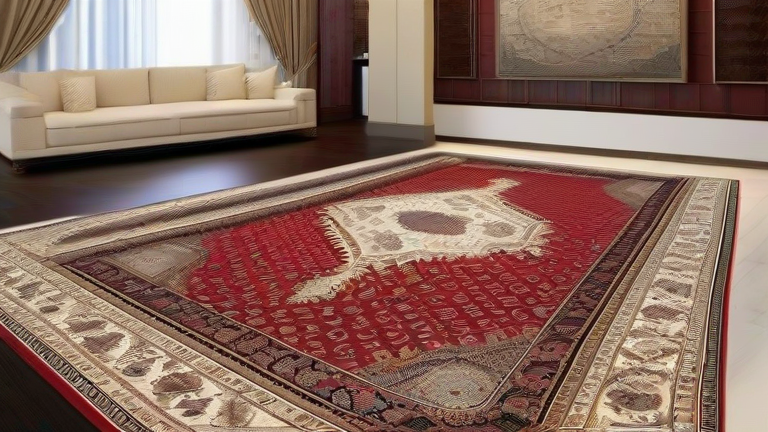
TL;DR: The best silk carpets in Uzbekistan are found in the historic workshops of Bukhara, known for their intricate floral patterns and vibrant colors. In Turkey, look for high-quality pieces in Istanbul’s Grand Bazaar, while Tajikistan offers unique, hand-knotted silks with distinct regional motifs in Khujand and Dushanbe.
Choosing the Right Silk Carpet
Investing in a silk carpet is a journey into the rich textile heritage of Central Asia and the Middle East. These luxurious items are not merely floor coverings but works of art that require careful selection and understanding. This guide will help you navigate the markets of Uzbekistan, Tajikistan, and Turkey to find the perfect piece for your home.
If you want to dig deeper, check out our guide on Durable Mailbox That Won’t Break: Top Picks for 2026.
Step 1: Research Regional Styles
Before you travel, understand the distinct characteristics of each region. Uzbek silk carpets, particularly those from Bukhara, are famous for their medallion designs and deep reds or blues. Turkish silk rugs, often found in Istanbul, feature more geometric patterns and softer pastel tones. Tajik silk carpets, less common internationally, offer unique tribal motifs and a denser pile, reflecting ancient nomadic traditions. Knowing these differences helps you identify authentic pieces quickly.
Step 2: Visit the Best Markets
In Uzbekistan, head to the Chorsu Bazaar in Tashkent or the smaller, specialized workshops in Bukhara’s Old City. These locations offer direct access to artisans. In Turkey, the Grand Bazaar in Istanbul is the primary hub, but ensure you visit reputable dealers with established reputations. For Tajikistan, visit the main bazaars in Dushanbe and the historic city of Khujand. These areas are centers for local weavers and dealers specializing in silk and wool blends.
Step 3: Inspect Quality and Authenticity
Always examine the carpet closely. Check the density of the knots; higher knot counts indicate finer quality. Flip the carpet to inspect the back; the pattern should be clear and symmetrical. Look for a slight sheen, which indicates pure silk, but beware of overly shiny pieces that may be chemically treated. Ask to see the certificate of authenticity or origin, especially for high-value items. In Turkey, reputable sellers will provide documentation from the Turkish Carpet Manufacturers Association.
Step 4: Negotiate and Purchase
Bargaining is expected in most markets, particularly in Uzbekistan and Turkey. Start by offering around fifty percent of the initial asking price and meet in the middle. Be polite but firm. In Tajikistan, prices may be more fixed in established shops, but flexibility exists in smaller bazaars. Once you agree on a price, ensure the seller provides a proper receipt and care instructions. Arrange for secure shipping if necessary, as silk is delicate and requires professional handling.
Step 5: Maintenance and Care
Silk carpets require special care. Avoid direct sunlight to prevent fading. Clean spills immediately with a dry cloth. Professional cleaning every few years is recommended. Store rolled, never folded, to prevent creases that can break the delicate silk fibers. Proper care ensures your investment lasts for generations.
FAQ
Q: What is the most durable material for a carpet in humid climates?
A: Wool is generally more durable and resistant to moisture than silk, making it a better choice for humid environments, though silk can be used with proper humidity control.
Q: How can I tell if a silk carpet is genuine?
A: Genuine silk has a natural luster, feels smooth to the touch, and burns without smell, unlike synthetic fibers which melt and smell like plastic.
Q: Is it safe to buy silk carpets online from these regions?
A: Yes, but only from verified sellers with return policies and high customer ratings; always request detailed photos and certificates of authenticity before purchasing.
Leave a Reply