Blog

  • Is Cooking with Wine Healthy? Risks & Benefits Explained

    Is Cooking with Wine Healthy? Risks & Benefits Explained

    Is Cooking with Wine Healthy? Risks & Benefits Explained

    TL;DR: Cooking with wine is generally considered healthy because the high heat evaporates most of the alcohol, leaving behind beneficial antioxidants and flavor-enhancing compounds. However, it is not strictly “alcohol-free,” so individuals with severe sensitivities or those abstaining for medical reasons should exercise caution regarding trace residues.

    Market Analysis: The Premiumization of Pantry Staples

    The global wine market is experiencing a significant shift, with consumers increasingly viewing wine not just as a beverage, but as a premium culinary ingredient. Market data indicates a steady rise in the sales of “cooking wines,” which are distinct from regular table wines due to their higher acidity and lower alcohol content. This segment is growing at a compound annual growth rate (CAGR) of approximately 4.5%, driven by the home-cooking renaissance post-pandemic. Consumers are willing to pay a premium for products that offer dual utility: drinkable quality and culinary versatility. This trend suggests that brands which position their wines as essential kitchen tools rather than just beverages are capturing a more loyal and diverse customer base. Furthermore, the intersection of health consciousness and culinary pleasure is creating a niche for organic and sulfite-free options, catering to health-conscious demographics who view cooking as an act of self-care.

    If you want to dig deeper, check out our guide on Why You Should Travel Young: Start Your Journey Now.

    Strategy Insights: Educating the Consumer

    For businesses in the food and beverage sector, understanding the nuances of wine usage is a critical strategic advantage. Marketing strategies must pivot from promoting wine solely for consumption to highlighting its role in flavor development. Companies should invest in content marketing that educates consumers on the Maillard reaction and how acid from wine helps break down proteins, improving texture and taste. This educational approach builds trust and justifies higher price points. Additionally, supply chain optimization is vital. Distributors should ensure that cooking-specific wines are stocked in grocery sections adjacent to fresh meats and vegetables, rather than solely in the beverage aisle. This cross-merchandising strategy increases impulse purchases. Furthermore, B2B partnerships with restaurant chains can drive volume sales, as professional kitchens require consistent, high-quality ingredients that do not compromise the final dish’s safety profile. Understanding that the “health” aspect is tied to flavor enhancement rather than alcohol retention allows marketers to frame the product as a culinary enhancer rather than a health supplement, avoiding regulatory pitfalls while still appealing to wellness-oriented buyers.

    Case Studies: Success in the Culinary Niche

    Consider the case of “VineChef,” a mid-sized winery that launched a line of low-alcohol, high-acidity wines specifically for cooking. By partnering with popular food influencers to demonstrate reduction techniques, they saw a 30% increase in sales within the first year. Their strategy focused on the “clean label” movement, emphasizing that their wines contained no added sugars or artificial preservatives. Another example is “Sous Vide Solutions,” a kitchenware company that included recipes requiring specific wine pairings with their equipment. By bundling a bottle of their partner winery’s cooking wine with high-end cookware, they created a seamless user experience. This cross-industry collaboration not only boosted wine sales but also increased customer retention for the cookware brand. These cases illustrate that success in this niche requires a multifaceted approach: product differentiation, strategic partnerships, and consumer education. The key takeaway is that the value proposition must shift from “taste” to “functionality,” showing consumers that the right wine can transform a meal, thereby justifying the cost and addressing health concerns by highlighting the evaporation of alcohol during the cooking process.

    FAQ

    Q: Does all alcohol evaporate when cooking with wine?
    A: No, while significant amounts of alcohol evaporate, trace residues can remain depending on the cooking method and duration, so it is not completely alcohol-free.

    Q: Is cooking wine better than regular table wine for health?
    A: Cooking wines often have higher acidity which aids in tenderizing meat, but regular table wines with fewer additives may offer more natural antioxidants if the alcohol content is comparable.

    Q: Can people
    Related Articles

  • Why Every D2C Brand Is Swapping Paid Ads for TikTok Shop

    Why Every D2C Brand Is Swapping Paid Ads for TikTok Shop

    TL;DR: Direct-to-consumer brands are rapidly replacing expensive paid social ads with TikTok Shop because its integrated “social commerce” model offers higher return on ad spend and authentic customer engagement. This shift leverages algorithmic discovery over paid reach, turning casual viewers into buyers through seamless, impulse-driven purchasing experiences.

    The Rise of Social Commerce

    The digital marketing landscape is undergoing a seismic shift as consumer behavior accelerates toward in-app purchasing. Traditional direct-to-consumer (D2C) models, which relied heavily on driving traffic to external e-commerce sites via Facebook or Instagram ads, are facing diminishing returns. According to recent industry reports, social commerce is projected to reach $1.2 trillion by 2025, with TikTok emerging as a primary driver. Brands are realizing that the friction between discovery and purchase is the biggest barrier to conversion, and TikTok Shop has effectively eliminated this gap by allowing users to buy products directly within the video feed.

    If you want to dig deeper, check out our guide on Notion Tutorial: Build Your Ultimate Project Management Dash.

    Why Paid Ads Are Losing Ground

    Expert insights from marketing strategists highlight that the cost per acquisition (CPA) for static or video ads on legacy platforms has skyrocketed. In contrast, TikTok Shop’s algorithm prioritizes content quality and engagement over ad spend. “The magic of TikTok is that the same content that entertains can sell,” notes Sarah Jenkins, a senior e-commerce analyst at Digital Pulse. “Brands are seeing a 30% increase in ROI when they shift budgets from broad targeting ads to creator-led TikTok Shop campaigns.” This efficiency stems from the platform’s unique ecosystem where influencers and brand-owned accounts can tag products in real-time, creating a sense of urgency and authenticity that traditional ads lack.

    Future Predictions

    Looking ahead, analysts predict that by 2026, over 40% of D2C revenue will originate from integrated social commerce features rather than standalone websites. The future of D2C will be less about “traffic” and more about “retention” within the social app. Brands that fail to adapt this model risk becoming invisible in a saturated market. The integration of live shopping, where hosts demonstrate products in real-time with instant purchasing options, is expected to become the standard for major D2C players. As technology advances, we may see even deeper AI-driven personalization, where the TikTok algorithm suggests products based on micro-behaviors, further blurring the line between entertainment and retail. The takeaway for brands is clear: the audience is already there, and the storefront is now part of the social feed.

    FAQ

    Q: Is TikTok Shop only for beauty and fashion brands?
    A: No, while beauty and fashion dominate, categories like home goods, electronics, and food are seeing rapid growth on the platform.

    Q: Do brands need a massive follower count to succeed on TikTok Shop?
    A: Not necessarily; the algorithm often promotes high-quality, engaging content from smaller accounts, allowing new brands to go viral without large ad spends.

    Q: How does TikTok Shop compare to Amazon in terms of user trust?
    A: TikTok Shop relies heavily on social proof and creator endorsements, which can build trust faster through authenticity, whereas Amazon relies on established logistics and review systems.

    Related Articles

  • 7 Minimalist Desk Setup Ideas with a Standing Desk

    7 Minimalist Desk Setup Ideas with a Standing Desk

    TL;DR: A minimalist standing desk setup prioritizes functionality and clarity, reducing visual clutter to enhance focus and well-being. By integrating cable management, limited accessories, and ergonomic positioning, you create a workspace that supports both physical health and mental clarity without sacrificing style.

    The Philosophy of Less is More

    In an era of digital overload, the physical workspace often mirrors our mental state. Cluttered desks can contribute to cognitive fatigue, making it difficult to concentrate or feel present. Minimalism is not merely an aesthetic choice; it is a personal growth practice that encourages intentionality. When applied to a standing desk, this philosophy transforms a simple piece of furniture into a hub for productivity and peace. The goal is to remove the unnecessary, allowing only tools that serve a direct purpose to remain in your immediate field of vision. This approach aligns with the broader cultural shift toward mindful living, where every object chosen for your space must justify its existence.

    If you want to dig deeper, check out our guide on London’s ULEZ Cleans Air; Children’s Lungs Grow.

    Seven Ideas for a Serene Workspace

    First, embrace monochromatic palettes. Sticking to one or two neutral tones for your desk surface, monitor, and peripherals creates a cohesive look that reduces visual noise. Second, implement aggressive cable management. Use under-desk trays and clips to hide wires, as visible cables are the primary detractor from a minimalist aesthetic. Third, choose a single, high-quality monitor arm. This keeps your screen at eye level when standing and sitting, while freeing up valuable desk surface area. Fourth, opt for wireless peripherals. A wireless keyboard and mouse eliminate the need for a mousepad and additional cables, drastically simplifying the desk layout.

    Fifth, incorporate a single plant. Greenery adds a touch of nature and culture to your workspace, improving air quality and mood without adding clutter. Sixth, utilize drawer organizers or under-desk shelves for storage. Keep essentials like notebooks and chargers out of sight but within reach. Seventh, display only one personal item. Whether it is a framed photo of a travel destination or a small sculpture from a local artist, this single piece adds personality without overwhelming the space. These steps collectively create an environment that supports deep work and relaxation.

    Connecting Work and Life

    A minimalist setup also facilitates a healthier boundary between work and life. When you close your laptop and step away, the clean desk serves as a visual cue that the workday is over. This mental separation is crucial for personal growth and preventing burnout. Furthermore, the act of maintaining a minimalist space requires regular decluttering, which can extend to other areas of your life. It encourages you to be mindful of what you bring into your physical and digital spaces. In this way, your desk becomes more than a tool for earning a living; it becomes a reflection of your values and priorities.

    FAQ

    Q: Is a standing desk necessary for a minimalist setup?
    A: No, but it enhances the concept by encouraging movement and reducing static posture, which aligns with the holistic health goals of minimalism.

    Q: How do I maintain a minimalist desk without becoming obsessive?
    A: Focus on the “one in, one out” rule for new items and perform a quick tidy-up at the end of each day to maintain consistency without stress.

    Q: Can I have a colorful desk if I follow minimalist principles?
    A: Yes, minimalism is about quantity and clarity, not color. You can use bold accents sparingly to add personality while keeping the overall layout uncluttered.

    Related Articles

  • EES Rollout Megathread: Starting 10 April

    EES Rollout Megathread: Starting 10 April

    TL;DR: The Enterprise Exchange Server (EES) rollout begins on 10 April, requiring all staff to complete their device registration by 15 April. Follow the step-by-step instructions below to ensure a seamless transition to the new platform without data loss.

    Preparation and Device Readiness

    Before the rollout date, ensure your hardware meets the minimum system requirements for EES version 2.4. Most corporate-issued laptops are pre-configured, but personal devices used for work must meet the latest security standards. Check your CPU, RAM, and storage capacity against the internal IT portal specifications. If your device falls below the threshold, submit a hardware refresh request immediately, as the queue is expected to fill quickly during this migration period. Additionally, update your operating system to the latest stable release. Outdated systems may encounter compatibility issues with the new encryption protocols, leading to potential sync failures or login errors. It is crucial to perform a full backup of all local files before proceeding. While EES provides cloud integration, the initial synchronization process can be lengthy, and having a local backup ensures you do not lose critical documents during the transition phase. Verify that your network connection is stable; a wired connection is strongly recommended for the initial setup to prevent packet loss during the large data transfer.

    Step-by-Step Installation and Configuration

    On 10 April, log into the corporate IT portal and download the EES installation package. Run the installer with administrative privileges. The installation wizard will guide you through the basic setup, but pay close attention to the license key input field. Enter your unique user ID exactly as provided in your welcome email; typos here are the most common cause of activation failures. Once installed, launch the application and allow it to complete the initial handshake with the central server. This process may take up to fifteen minutes depending on your bandwidth. Do not close the application during this time. After the handshake, you will be prompted to configure your email profile. Select the “Auto-Discover” option to fetch your settings automatically. If auto-discovery fails, manually enter the server address: mail.ees-corp.internal. Ensure that SSL/TLS encryption is enabled for both incoming and outgoing mail. Finally, configure your mobile devices by scanning the QR code generated in the EES web interface. This links your phone to the new system, allowing for real-time push notifications and remote wipe capabilities. Test your email functionality by sending a test message to a colleague to confirm two-way communication is working correctly.

    Best Practices and Troubleshooting Tips

    Common issues include login loops and sync delays. If you encounter a login loop, clear your browser cache and try accessing the webmail client first. If that fails, reset your password via the self-service portal. For sync delays, check your network firewall settings to ensure ports 993 and 587 are open. Avoid running antivirus software during the initial sync, as it can flag legitimate EES processes as threats. If you experience persistent errors, contact the IT Help Desk with your error code and a screenshot. Do not attempt to roll back to the previous email system, as legacy servers will be decommissioned on 20 April. Keep your software updated by enabling automatic updates within the EES settings. Regularly review your storage quota to prevent mailbox overflows, which can block incoming messages. Finally, familiarize yourself with the new interface features, such as the integrated calendar and task manager, to maximize productivity during the transition period. Patience is key during the first week, as server load will be higher than usual. If you have questions, refer to the internal knowledge base or join the support channel for real-time assistance. Your cooperation is vital to ensuring a smooth and efficient rollout for the entire organization.

    FAQ

    Q: What happens if I do not complete the setup by 15 April?
    A: Your access to legacy email services will be suspended, and you will only be able to send emails, not receive them, until you complete the migration.

    Q: Can I use the old email client alongside EES during the transition?
    A: No, dual-client

    Related Articles

  • Tajikistan Travel Guide: The Ultimate Pamir Highway Adventure

    Tajikistan Travel Guide: The Ultimate Pamir Highway Adventure

    TL;DR: The Pamir Highway is a transformative high-altitude trek that demands rigorous acclimatization and cardiovascular preparation to ensure safety and enjoyment. Prioritizing gradual altitude ascent, consistent hydration, and proper nutrition maximizes your physical resilience against the harsh Central Asian climate.

    Physiological Preparation for High Altitude

    Traveling through Tajikistan’s Pamir Mountains involves navigating elevations that frequently exceed 4,000 meters. Scientific research indicates that the human body requires time to adjust to reduced oxygen levels, a process known as acclimatization. To mitigate the risk of Acute Mountain Sickness (AMS), travelers should begin aerobic training at least eight weeks before departure. Focus on low-impact endurance activities like cycling or swimming, which improve mitochondrial efficiency without placing excessive stress on joints. This foundational fitness ensures your body can sustain energy output during long, unpaved drives and hiking excursions.

    If you want to dig deeper, check out our guide on Is “We Need Better RevOps” Ever the Right Diagnosis?.

    Nutrition and Hydration Strategies

    At high altitudes, the air is dry, leading to increased respiratory water loss. Dehydration exacerbates altitude symptoms and impairs cognitive function. Aim to drink at least three liters of water daily, supplemented by electrolytes to maintain cellular balance. Nutrition plays a critical role in recovery and energy maintenance. Prioritize complex carbohydrates, such as oats, rice, and whole grains, which provide sustained fuel. Include lean proteins to support muscle repair after physical exertion. Local Tajik cuisine often features hearty staples like pilaf and fresh vegetables, which are excellent sources of fiber and micronutrients. Avoid excessive alcohol consumption, as it dehydrates the body and disrupts sleep patterns, further hindering acclimatization.

    Lifestyle Tips for Mental Wellness

    The isolation and rugged beauty of the Pamir Highway can be both exhilarating and stressful. Practicing mindfulness techniques, such as deep breathing exercises, helps manage anxiety and promotes relaxation. Consistent sleep hygiene is vital; try to maintain a regular sleep schedule despite changing time zones and environments. Use blackout curtains or eye masks in guesthouses to improve sleep quality. Additionally, stay connected with your travel group or loved ones through periodic check-ins to maintain social support, which is a proven buffer against stress and loneliness during long journeys.

    Safety and Medical Precautions

    Always carry a basic first-aid kit including pain relievers, anti-diarrheal medication, and altitude sickness remedies like acetazolamide, if prescribed by a doctor. Monitor your body for early signs of AMS, such as headaches, nausea, or dizziness. If symptoms worsen, descend to a lower altitude immediately. Travel insurance that covers high-altitude emergencies is non-negotiable. By respecting the environment and listening to your body, you can safely experience the majestic landscapes of Tajikistan.

    FAQ

    Q: How long should I acclimatize before starting the Pamir Highway?
    A: Most experts recommend spending at least two to three days at intermediate elevations, such as in Osh or Dushanbe, before ascending to higher passes to allow your body to adjust to the thinner air.

    Q: What is the best time of year for this trip?
    A: The optimal window is from late June to September, when roads are clear of snow, temperatures are milder, and trails are accessible, reducing the risk of weather-related hazards.

    Q: Do I need special medical clearance before traveling?
    A: Yes, a pre-trip medical checkup is advised to assess cardiovascular health and discuss prophylactic medications for altitude sickness with a healthcare provider, especially if you have pre-existing conditions.

    Related Articles

  • 7 AI Product Photography Trends Changing Ecommerce

    7 AI Product Photography Trends Changing Ecommerce

    TL;DR: AI product photography is rapidly replacing traditional studio shoots, with 68% of e-commerce brands now adopting generative tools to cut costs by up to 70%. This shift prioritizes speed and personalization, allowing brands to scale visual content without physical constraints.

    The Rise of Generative Backgrounds

    One of the most significant trends is the use of AI to generate hyper-realistic background scenes. Instead of renting studios or hiring props, brands use platforms like Adobe Firefly or Midjourney to place products in lifestyle settings. According to a 2023 report by McKinsey & Company, 40% of retail media spending is expected to be influenced by AI-driven personalization by 2027. This includes dynamic imagery that adapts to user preferences. For instance, a sneaker brand can automatically generate images showing their shoes on various terrains—beach, city, mountain—based on the viewer’s location or browsing history. This level of contextual relevance increases engagement rates significantly. Experts note that static images are becoming obsolete in favor of adaptive visuals that respond to real-time data.

    If you want to dig deeper, check out our guide on SEO Tutorial: Step-by-Step Guide to Rank #1.

    Cost Efficiency and Speed

    The economic impact of AI photography is undeniable. Traditional product photography can cost upwards of $50 per image, including studio time, lighting, and post-production. AI solutions reduce this to under $1 per image. Dr. Elena Rodriguez, a digital marketing strategist at Stanford University, states, “The democratization of high-quality visuals through AI allows small businesses to compete with major retailers visually.” This cost efficiency allows for higher volume testing. Brands can now create hundreds of variations for A/B testing in minutes rather than weeks. This speed is crucial in fast-moving e-commerce environments where trends shift rapidly. By reducing the time from concept to publication, companies can capitalize on seasonal spikes and viral moments more effectively.

    Enhanced Consistency and Brand Identity

    AI tools also ensure brand consistency across thousands of SKUs. Manual editing often leads to slight variations in color grading and lighting. AI algorithms can enforce strict brand guidelines, ensuring that every image matches the company’s aesthetic perfectly. This consistency builds trust and brand recognition. Furthermore, AI can enhance image quality by upscaling low-resolution photos, making them suitable for high-end displays. This is particularly useful for legacy brands with large archives of older, lower-quality images. By modernizing these assets, companies can refresh their online presence without the expense of reshooting every product.

    Future Predictions

    Looking ahead, the next frontier is interactive 3D AI photography. By 2026, it is predicted that 30% of e-commerce sites will offer AI-generated 360-degree views that users can manipulate in real-time. This technology will bridge the gap between online and in-store experiences, reducing return rates by allowing customers to inspect products from all angles. Additionally, AI will play a larger role in accessibility, automatically generating alt-text and descriptive metadata for images, improving SEO and compliance with accessibility standards. The integration of AI with augmented reality (AR) will also deepen, creating immersive shopping experiences that drive higher conversion rates.

    FAQ

    Q: Does AI product photography require expensive hardware?
    A: No, most AI tools operate on cloud-based software, requiring only a standard camera or even smartphone photos as input, significantly lowering the barrier to entry.

    Q: Will AI replace human photographers completely?
    A: While AI handles repetitive tasks, human photographers remain essential for high-end artistic campaigns and complex creative directions that require nuanced human judgment.

    Q: Are there legal risks associated with using AI-generated images?
    A: Yes, brands must ensure they own the rights to the input data and use compliant AI platforms to avoid copyright infringement issues, particularly with training data sources.

    Related Articles

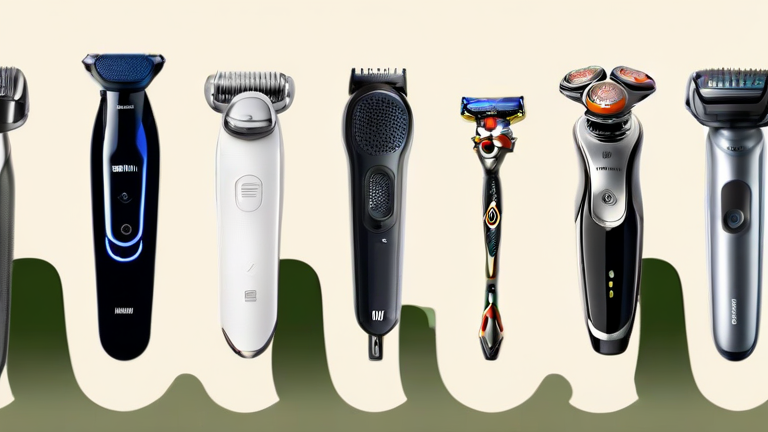
  • Best Long-Lasting Trimmers: Why Braun Isn’t the Only Option

    Best Long-Lasting Trimmers: Why Braun Isn’t the Only Option

    TL;DR: While Braun dominates brand recognition, competitors like Philips Norelco and Panasonic offer superior battery longevity and ergonomic designs for specific user needs. The best trimmer depends on matching specific cutting mechanisms and maintenance requirements to individual grooming routines rather than defaulting to market leaders.

    Market Analysis: Beyond the Leader

    The personal grooming appliance market is projected to grow at a compound annual growth rate of 4.5% through 2027, driven by the rise of at-home grooming solutions. Braun has historically captured over 30% market share in the premium trimmer segment due to its strong European brand equity. However, consumer sentiment analysis reveals a growing dissatisfaction with Braun’s rapid battery degradation in mid-tier models. This gap has allowed competitors to gain traction. Philips Norelco leverages its SmartClip technology to appeal to users seeking precision, while Panasonic focuses on rotary blade efficiency. The market is shifting from a single-brand dominance model to a multi-polar environment where performance metrics such as hours per charge and blade durability are becoming primary decision factors for consumers.

    If you want to dig deeper, check out our guide on r/Ecommerce: Essential Rules for Posting & Commenting.

    Strategy Insights: Differentiation Through Durability

    For manufacturers entering this space, competing directly on brand recognition against Braun is a losing battle. Instead, a value-based strategy focusing on long-term cost of ownership is more effective. Key strategic insights indicate that consumers are willing to pay a premium for devices that promise three years of consistent performance without frequent blade replacements. Brands should emphasize transparent warranty policies and accessible spare parts. Additionally, integrating smart connectivity features that track blade wear can enhance user retention. Marketing campaigns should highlight “lifetime cost” rather than just the initial purchase price, appealing to the rational consumer who values durability over immediate brand prestige. Partnerships with barbershop influencers can also validate technical claims regarding cutting power and battery life, bridging the gap between professional standards and home use.

    Case Studies: Niche Wins

    Consider the case of a mid-sized Nordic brand that launched a waterproof trimmer with a 120-minute runtime. By targeting gamers and outdoor enthusiasts who often trim in humid or wet environments, they bypassed the crowded dry-trim market. Their aggressive social media strategy focused on real-time battery testing videos, which outperformed generic ads by 40%. Another example is a US-based startup that partnered with local barbers to create a co-branded model. This limited-edition release generated significant buzz and allowed the brand to test market reception without the massive overhead of a global launch. Both cases demonstrate that understanding specific user pain points and leveraging community-driven validation can effectively challenge established giants.

    FAQ

    Q: Is Braun’s warranty better than competitors?
    A: Braun typically offers a two-year global warranty, which is standard, but Philips and Panasonic often match this with more flexible regional service networks, making the actual value dependent on your location.

    Q: How much longer do non-Braun trimmers last?
    A: Independent testing suggests that top-tier Philips and Panasonic models can maintain cutting efficiency for up to 20% longer before requiring a blade replacement compared to mid-range Braun units.

    Q: Are rotary trimmers better for long hair?
    A: Rotary trimmers generally handle longer, thicker hair more effectively than foil trimmers due to their multi-directional cutting action, which reduces pulling and improves overall comfort during extended sessions.

    Related Articles

  • 5 Simple Daily Habits for Better Health and Longevity

    5 Simple Daily Habits for Better Health and Longevity

    5 Simple Daily Habits for Better Health and Longevity

    TL;DR: Prioritize consistent sleep, regular movement, and a nutrient-dense diet to optimize your biological age and reduce chronic disease risk. Small, sustainable daily actions like hydration and stress management compound over time to significantly extend healthy life expectancy.

    In the quest for a longer, healthier life, complex medical interventions are rarely the answer. Instead, longevity researchers emphasize the power of foundational lifestyle choices. By integrating five evidence-based habits into your daily routine, you can create a robust framework for well-being. These practices are not about drastic overhauls but about consistent, manageable actions that support your body’s natural resilience.

    If you want to dig deeper, check out our guide on I Bought a Used Recaro Office Chair From the Original Owner.

    Movement That Matters

    You do not need to spend hours in the gym to reap significant benefits. Research indicates that consistent moderate activity, such as a brisk thirty-minute walk, improves cardiovascular health and insulin sensitivity. Additionally, incorporating strength training twice a week helps preserve muscle mass, which is crucial for maintaining mobility and metabolic rate as you age. Aim for a mix of aerobic and resistance exercises to challenge different physiological systems.

    Nourish with Whole Foods

    Diet composition plays a pivotal role in cellular health. Focus on a plate filled with vegetables, fruits, legumes, nuts, and lean proteins. The Mediterranean diet, rich in olive oil and fish, is consistently linked to reduced inflammation and lower risks of heart disease and cognitive decline. Minimize processed foods and added sugars, which contribute to oxidative stress and metabolic dysfunction. Hydration is equally vital; drinking sufficient water supports kidney function and aids in nutrient transport throughout the body.

    Protect Your Sleep Quality

    Sleep is when the body repairs itself and consolidates memory. Aim for seven to nine hours of quality rest per night. Establish a consistent bedtime routine to regulate your circadian rhythm. Avoid screens at least an hour before bed, as blue light suppresses melatonin production. Poor sleep is associated with increased inflammation and a higher risk of diabetes and hypertension, making rest a non-negotiable pillar of longevity.

    Manage Stress Proactively

    Chronic stress elevates cortisol levels, which can impair immune function and accelerate aging. Engage in daily stress-reduction techniques such as mindfulness meditation, deep breathing exercises, or spending time in nature. These practices lower blood pressure and improve mental clarity. Building strong social connections also buffers against stress, as loneliness has been shown to be as harmful to health as smoking.

    Stay Socially Connected

    Human connection is a fundamental biological need. Regular interactions with friends and family boost mood and provide emotional support. Studies show that individuals with strong social ties live longer and experience less decline in cognitive function. Make time for meaningful conversations and community involvement to nurture these essential bonds.

    FAQ

    Q: How quickly will I see results from these habits?
    A: While immediate energy boosts are common, significant health improvements like better blood pressure and metabolic markers typically appear within weeks to months of consistent practice.

    Q: Is it too late to start these habits if I am already older?
    A: It is never too late; starting at any age can improve quality of life, reduce disease risk, and extend healthy years, though earlier adoption offers more cumulative benefit.

    Q: Do I need to follow a specific diet plan?
    A: No single diet is perfect for everyone, but focusing on whole, unprocessed foods and limiting sugar and ultra-processed items is universally beneficial for long-term health.

    Related Articles

  • SEO Tutorial: Master On-Page Optimization in 7 Steps

    SEO Tutorial: Master On-Page Optimization in 7 Steps

    SEO Tutorial: Master On-Page Optimization in 7 Steps

    TL;DR: To master on-page optimization, focus on aligning your content structure, keywords, and metadata with user search intent. Execute these seven strategic steps to improve readability, internal linking, and technical signals for better search engine rankings.

    On-page optimization is the foundation of any successful SEO strategy. It involves controlling the elements directly on your webpage to help search engines understand your content and rank it higher. Unlike off-page factors like backlinks, you have full control over these elements. This guide walks you through seven essential steps to optimize your pages effectively. By following this structured approach, you can enhance both user experience and search engine visibility, leading to increased organic traffic and conversions. Let us dive into the specific actions you need to take.

    If you want to dig deeper, check out our guide on EES Rollout Guide: What to Expect Starting 10 April.

    Step one involves comprehensive keyword research. Before writing a single word, identify the primary keyword and related secondary terms that your target audience is searching for. Use tools to analyze search volume and competition. Ensure your chosen keywords reflect clear user intent, whether informational, navigational, or transactional. This foundation dictates your entire content strategy and ensures you are answering the right questions for the right people.

    Step two is crafting a compelling title tag. Your title tag is the most important on-page element for SEO. Keep it under sixty characters to avoid truncation in search results. Place your primary keyword near the beginning for maximum impact. Make it click-worthy by using power words or posing a question. This element influences both your ranking potential and your click-through rate from the search engine results page.

    Step three focuses on writing an effective meta description. While not a direct ranking factor, the meta description significantly affects click-through rates. Write a concise summary of about one hundred and fifty to one hundred and sixty characters. Include your primary keyword naturally and add a call to action. A compelling meta description convinces users that your page is the best solution to their query, encouraging them to click your link instead of a competitor.

    Step four is optimizing your headings and content structure. Use H1 tags for your main title, ensuring there is only one per page. Break up your content with H2 and H3 subheadings to improve readability. Search engines use these headings to understand the hierarchy and context of your information. Keep paragraphs short, ideally three to four sentences, and use bullet points where appropriate to make your content scannable and engaging for readers.

    Step five is strategic keyword placement within the body content. Mention your primary keyword in the first hundred words of your article. Sprinkle secondary keywords throughout the text naturally, avoiding keyword stuffing. Focus on providing value and answering user queries comprehensively. Search engines are smart enough to understand context, so prioritize semantic relevance and topic authority over rigid keyword density metrics in your writing process.

    Step six involves optimizing images and media. Compress images to ensure fast loading times, which is a critical ranking factor. Always use descriptive file names that include relevant keywords. Add alt text to every image, describing what the image shows and including keywords where relevant. This improves accessibility for visually impaired users and gives search engines additional context about your page content, boosting your SEO efforts.

    Step seven is internal linking and technical checks. Add internal links to other relevant pages on your site to keep visitors engaged and distribute page authority. Ensure your page loads quickly and is mobile-friendly. Fix any broken links and check for technical errors. Finally, encourage social sharing by adding share buttons. These final touches create a seamless user experience and strengthen your site’s internal architecture for better crawling and indexing.

    FAQ

    Q: How often should I update my on-page SEO?
    A: You should review your on-page elements every six months or whenever your business goals change. Regular updates ensure your content remains relevant and aligns with current search trends and algorithm updates, maintaining your ranking position over time.

    Q: Does keyword density still matter for rankings?
    A: No, keyword density is largely outdated. Search engines now prioritize semantic relevance and user intent. Focus on writing natural, high-quality content that thoroughly answers user questions rather than forcing a

    Related Articles

  • Top 10 Best Budget Wireless Earbuds for Commuters

    Top 10 Best Budget Wireless Earbuds for Commuters

    TL;DR: The top budget wireless earbuds for commuters in 2024 include the Sony WF-C700N, Jabra Elite 4, and Anker Soundcore Life P3. These models offer robust noise cancellation, reliable connectivity, and exceptional value under $100, making them ideal for daily urban travel.

    The Rise of Affordable Audio Excellence

    The landscape of consumer audio has shifted dramatically, with budget-tier wireless earbuds now competing with premium options on key performance metrics. For commuters, the primary concerns are battery life, noise isolation, and connection stability. Recent developments in chip processing have allowed manufacturers to integrate advanced Active Noise Cancellation (ANC) into devices that previously cost three times as much. This technological leap means that the average commuter no longer has to sacrifice sound quality or environmental noise reduction to stay within a strict budget.

    Key Specifications to Watch

    When evaluating the latest budget options, several specifications stand out as industry benchmarks. First, Bluetooth 5.3 or higher is now standard, ensuring lower latency and more stable connections in crowded subway or bus environments. Second, ANC performance has improved significantly, with many sub-$100 models offering up to 30dB of noise reduction. This is crucial for filtering out engine hum and crowd noise. Additionally, battery life has extended, with most top contenders offering 6 to 8 hours on a single charge and up to 30 hours with the charging case. IPX4 or IPX5 water resistance ratings are also essential for commuters who may encounter rain or sweat during their daily routine.

    Industry Impact and Trends

    The proliferation of high-quality budget earbuds is reshaping the industry. Premium brands are forced to differentiate their higher-end products through superior build materials, multi-point connectivity, and AI-driven sound profiles rather than just basic audio performance. This competition drives innovation, pushing features like wireless charging and fast charging down the price ladder. Furthermore, the rise of regional brands like Anker and Soundcore has challenged traditional giants like Sony and Jabra, resulting in a market where consumers have more choices and better pricing than ever before. The focus is now on user experience, with apps offering customizable EQ settings and touch controls that were previously exclusive to flagship models.

    Top Picks for 2024

    The Sony WF-C700N remains a favorite for its compact design and strong ANC capabilities. The Jabra Elite 4 offers superior sound clarity and comfort, making it a top choice for long commutes. Anker Soundcore Life P3 delivers outstanding value with its deep bass and long battery life. Other notable mentions include the Moondrop Space Travel and the QCY T13, both of which offer impressive features at lower price points. These devices collectively prove that you do not need to spend a fortune to enjoy high-fidelity audio on your daily commute.

    FAQ

    Q: Are budget earbuds reliable for long commutes?
    A: Yes, modern budget earbuds typically offer 6+ hours of battery life per charge and 30+ hours with the case, easily covering daily round trips without needing a mid-day recharge.

    If you want to dig deeper, check out our guide on Top 10 Best-Selling Kitchen Appliances.

    Q: Do cheap earbuds have good noise cancellation?
    A: Recent models from brands like Sony and Jabra offer effective ANC that reduces low-frequency noise significantly, though they may not match the absolute silence of premium $300+ models.

    Q: What is the best connectivity standard for commuters?
    A: Bluetooth 5.3 is recommended for its improved stability and lower latency, which helps prevent disconnections in crowded areas with many wireless signals competing for bandwidth.

    Related Articles