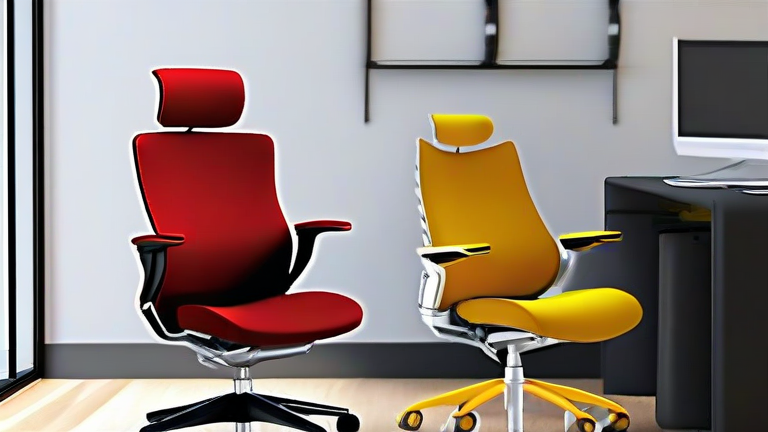
Top 10 Ergonomic Office Chairs for Back Pain Relief
TL;DR: The Ergohuman XL and Branch Office Ergo Chair are the top contenders for superior back support due to their advanced lumbar mechanisms and breathable mesh construction. Investing in a chair with adjustable armrests, headrest, and dynamic seat depth is essential for long-term spinal health and pain reduction.
Choosing the right office chair is not just about comfort; it is a critical health decision. Poor posture can lead to chronic back pain, neck strain, and reduced productivity. The following list highlights the top ten ergonomic chairs designed specifically to alleviate these issues. Each model offers unique features that cater to different body types and work styles, ensuring that every user can find a perfect fit.
If you want to dig deeper, check out our guide on Why Reddit Is Losing Its Spot in ChatGPT Citations.
Feature Highlights
The top-rated chairs in this list share several key ergonomic features. First, dynamic lumbar support is a must. Unlike static padding, dynamic systems adjust to the user’s movements, providing continuous support to the lower spine. The Aeron chair by Herman Miller, for instance, uses a tension-adjustable Pellicle sling that evenly distributes weight and reduces pressure points. Similarly, the Steelcase Leap offers a LiveBack frame that flexes with the user’s natural range of motion, preventing stiffness during long work sessions.
Another critical feature is adjustable seat depth. Many chairs fail to support the user’s popliteal fossa (the back of the knee) correctly, which can restrict blood flow and cause discomfort. The HON Ignition 2.0 excels here with a seat that adjusts in both height and depth, allowing users to customize their posture precisely. Additionally, breathable materials are crucial for maintaining a comfortable working environment. High-density mesh backs, found in the Branch and Fully chairs, promote airflow, keeping the user cool and focused without compromising structural integrity.
Comparisons
When comparing budget-friendly options to premium models, the trade-off is often in the longevity of materials and the sophistication of adjustment mechanisms. The Flexispot C300 offers excellent value with basic ergonomic adjustments, making it ideal for home offices on a tight budget. However, it lacks the granular control found in the Herman Miller Embody, which features a “waterfall” seat and a multi-layered backrest that supports the spine in a way that mimics the natural curve of the spine. While the Embody is a significant investment, its durability and superior support make it a worthwhile long-term purchase for those with severe back issues. For mid-range users, the Steelcase Gesture provides a robust alternative with highly adjustable armrests that accommodate a wide range of movements, including typing, phone use, and reaching for objects.
Call to Action
Do not let back pain dictate your workday. Take the first step toward a healthier, more productive future by assessing your current seating setup. Measure your body dimensions, identify your primary pain points, and select a chair that addresses those specific needs. Visit our detailed comparison table below to find the perfect match for your budget and body type. Your back will thank you for this investment in your well-being.
FAQ
Q: How long should I test an ergonomic chair before buying?
A: Most reputable brands offer a 90-day to 12-month trial period, allowing you to ensure the chair provides adequate support and comfort over time.
Q: Is a headrest necessary for back pain relief?
A: Yes, a headrest can significantly reduce neck and upper back strain by supporting the weight of your head, especially when reclining or resting.
Q: Can any chair completely cure chronic back pain?
A: No, while an ergonomic chair can alleviate symptoms and prevent further injury, it should be combined with regular exercise, proper posture, and medical advice for chronic conditions.
Leave a Reply