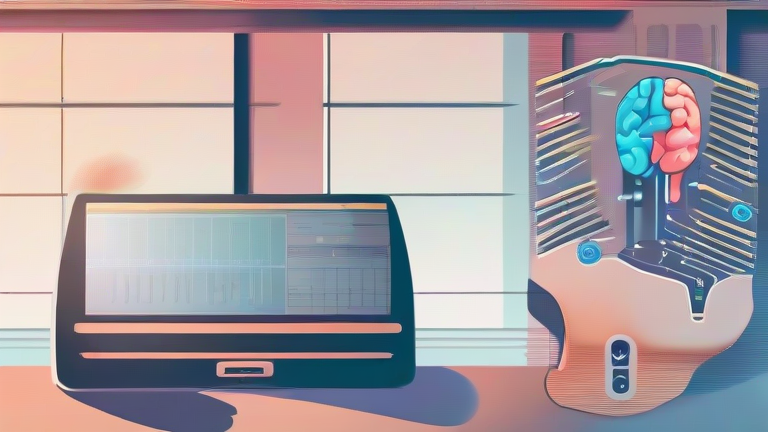
Neurotech: Brain-Computer Interfaces Explained
The landscape of human-computer interaction is undergoing a seismic shift, moving beyond keyboards, mice, and touchscreens into the realm of direct neural connection. Neurotech, specifically Brain-Computer Interfaces (BCIs), has transitioned from science fiction to tangible reality, offering unprecedented ways for humans to control digital environments with their thoughts alone. This review explores the current state of BCI technology, highlighting key innovations that are reshaping accessibility and entertainment.
At the core of modern BCIs is the ability to translate neural signals into actionable commands. Leading devices now utilize non-invasive sensors that sit comfortably on the scalp, detecting electrical activity generated by the brain. Unlike previous iterations that required complex surgical procedures, today’s solutions prioritize user comfort and ease of use. The latency has been significantly reduced, allowing for near real-time response times that make controlling computers, gaming avatars, or smart home devices feel intuitive and natural. This seamless integration marks a pivotal moment in accessibility technology, providing vital tools for individuals with motor impairments who previously struggled with traditional input methods.
If you want to dig deeper, check out our guide on Top 5 Trends Shaping 2024: What You Need to Know.
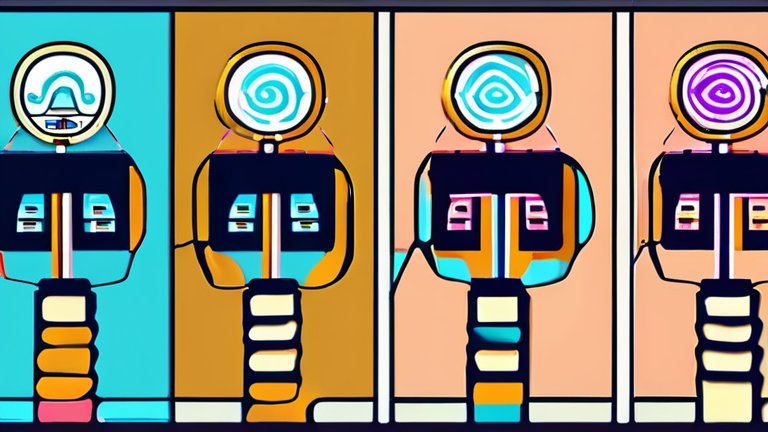
When comparing leading models, several distinct features emerge. High-end devices offer superior signal clarity through advanced machine learning algorithms that adapt to individual neural patterns over time. These systems learn from the user, improving accuracy and reducing the calibration time required for optimal performance. In contrast, entry-level options focus on simplicity and affordability, making them accessible to a broader audience interested in basic meditation tracking or simple gaming controls. While the high-end models provide robust data analytics for medical and professional use, they often come with a steep price tag and require a steeper learning curve. Conversely, consumer-focused headsets sacrifice some precision for ease of setup, appealing to early adopters and tech enthusiasts.
The implications of this technology extend far beyond gaming. In healthcare, BCIs are being used to aid in rehabilitation after strokes and to manage neurological conditions like epilepsy. In the workplace, they promise to enhance focus and productivity by monitoring cognitive load and providing real-time feedback on mental fatigue. As the technology matures, we can expect to see more sophisticated applications in education, where personalized learning experiences could be tailored to individual brain activity levels.</p
Leave a Reply