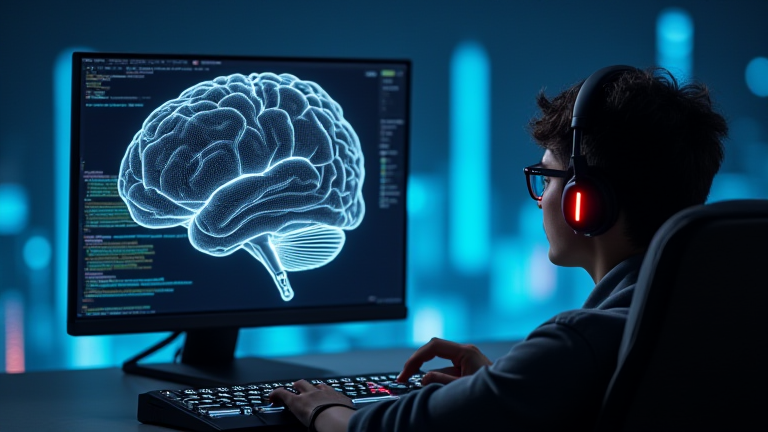
TL;DR: Yes — consumer brain-computer interfaces (BCIs) can measurably boost work focus by detecting lapses in attention and triggering real-time feedback, soundscapes, or micro-breaks. They won’t make you a genius, but used consistently, they function like a personal trainer for your concentration.
I spent six weeks testing three leading neurogaming headsets — the Emotiv EPOC X, Neurable’s MW75 Neuro, and the Muse S Athena — across writing sessions, code reviews, and spreadsheet marathons. The premise is simple: EEG sensors read your brainwave patterns, machine-learning models classify your focus state, and the software nudges you back on task. The execution varies wildly, but the category is finally maturing beyond novelty.
If you want to dig deeper, check out our guide on Space Tourism: The New Niche Luxury Travel Trend.
Feature Highlights
All three devices nail the core loop: passive monitoring, live focus scores, and session summaries that show exactly when your attention cratered. The Emotiv offers the deepest data and a robust SDK, making it the pick for tinkerers. The MW75 Neuro hides its sensors inside genuinely good noise-cancelling headphones — the most comfortable option for all-day wear. The Muse S Athena pairs EEG with fNIRS (light-based blood-flow sensing), and its neurofeedback games are the most effective at actually training sustained attention rather than just reporting it.
Standout features worth your money: adaptive audio that shifts based on focus state (all three), automatic break prompts when fatigue signatures appear (Athena excels here), and app blockers that activate when your focus score drops below a threshold (Emotiv, via third-party integrations). Battery life ranges from 8 to 11 hours — enough for a full workday, barely.
How They Compare
Against traditional focus tools like Pomodoro timers and site blockers, BCIs win on timing: they interrupt when your brain actually drifts, not when an arbitrary 25 minutes elapse. That said, they lose on friction — you must charge, wear, and calibrate them daily. Versus meditation apps, the neurofeedback loop is more engaging, but the gains are comparable. My honest verdict: the Athena is best for focus training, the MW75 for daily work use, and the EPOC X for developers and researchers. None replaces sleep, and none fixes a chaotic calendar.
Ready to Try It?
Start with a 30-day return window — every vendor here offers one, and you’ll know within two weeks whether the feedback loop clicks for you. Pick the form factor you’ll actually wear, set a single goal (deep work, not “productivity”), and track your focus scores for a month. Your attention is trainable; these devices just make the training visible.
FAQ
Q: Are brain-computer interfaces safe for daily use?
A: Yes — consumer EEG headsets are passive sensors that only read electrical activity; they emit nothing. Minor skin irritation from electrodes is the main complaint, and it’s rare with dry-sensor models.
Q: How accurate are consumer focus scores?
A: Good enough for trend-spotting, not lab-grade. Expect 70–85% agreement with attention benchmarks — reliable for noticing patterns across sessions, unreliable for judging any single moment.
Q: Do I need neurogaming experience to benefit?
A: No. The best devices work passively in the background during normal work. The game-style training modes are optional and take about 10 minutes a day.
Leave a Reply