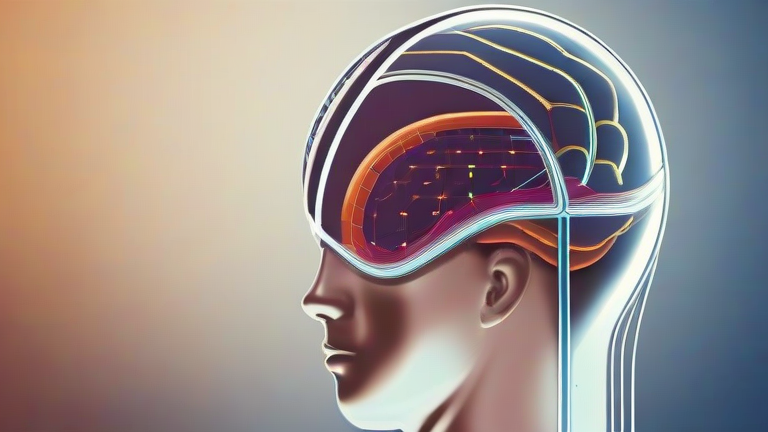
TL;DR: Neural wearables use EEG or fNIRS sensors to read brain activity, then deliver real-time audio or haptic feedback to strengthen focus, memory, and calm. By training with these loops for 10–20 minutes daily, you can measurably boost cognitive control and reduce mental fatigue.
Step 1: Choose the Right Device for Your Goal
For focus and attention, pick a single-channel EEG headband (e.g., Muse or FocusCalm). For memory or deep-work training, opt for a multi-channel system with fNIRS (e.g., OpenBCI) that tracks prefrontal oxygenation. Avoid devices with only meditation apps—you need raw signal access or a proven neurofeedback algorithm.
If you want to dig deeper, check out our guide on Female Doctors Linked to Lower Mortality in Female Patients,.
Step 2: Optimize Your Setup
Wear the device on a clean, dry forehead—remove any hair oils or makeup. Sit in a quiet, dimly lit room with your phone on airplane mode. Ensure the sensors make full skin contact; moisten the pads with saline if the connection is unstable. Use the same chair and time of day for consistency.
Step 3: Calibrate Your Baseline
Before training, run the device’s 2-minute baseline test. Do this while breathing slowly and staring at a fixed point. This measures your resting alpha (calm) and beta (alert) waves. Save this baseline—your progress is only meaningful relative to it.
Step 4: Run a 15-Minute Neurofeedback Session
Launch the training app and select “Focus” or “Peak Performance.” Close your eyes or watch a neutral visual. When your brain produces the target wave pattern (e.g., high beta, low theta), you’ll hear a pleasant chime or see a bar rise. When you drift, the sound fades. Let the feedback guide you—do not force thoughts. Try to “hold” the sound for 5-second bursts.
Step 5: Track and Adjust Weekly
After each session, log your score and any subjective focus ratings (1–10). Increase difficulty after 3 consecutive sessions above your 80th percentile. If you feel frustrated, lower the threshold—neurofeedback works best in a relaxed, curious state, not a strained one.
Tips for Faster Gains
Hydrate before sessions—dehydration flattens EEG signals. Train at the same time daily, ideally before your hardest cognitive task. Combine with 10 minutes of breathwork (4-4-6 pattern) to amplify alpha coherence. Never train while tired or after caffeine; both distort your baseline.
FAQ
Q: How long until I see real cognitive benefits?
A: Most users report improved focus and less mental fatigue after 10–14 daily sessions (15 min each). Lasting changes in working memory typically appear after 4–6 weeks of consistent practice.
Q: Are neural wearables safe for daily use?
A: Yes—they are passive sensors (EEG) or low-power light emitters (fNIRS), not stimulators. No electrical current enters your brain. However, avoid use during seizures or if you have a pacemaker, and take a break if you feel a headache.
Q: Can I use a neural wearable to “hack” IQ or replace sleep?
A: No. The best studies show gains of 5–15% on attention tasks, not IQ. Neurofeedback cannot replace sleep—it optimizes the brain you have. Use it as a training tool, not a substitute for rest or nutrition.
Leave a Reply