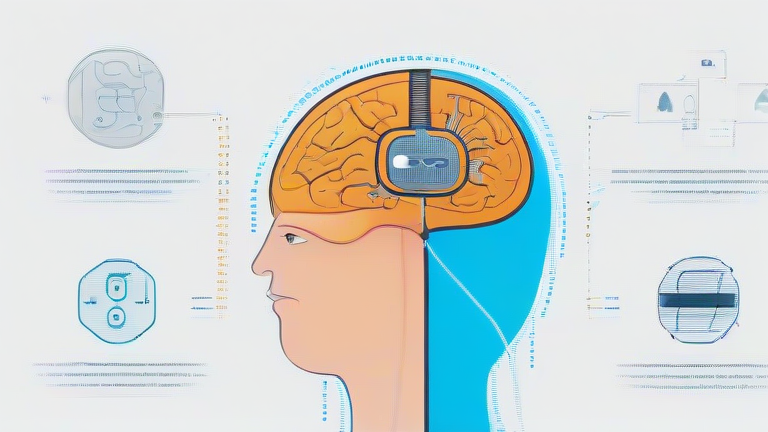
# Neural Interfaces for Basic Device Control: A Guide
Imagine waking up on a crisp autumn morning in Kyoto. The sun filters through paper screens, casting long, geometric shadows across the tatami mats. You do not reach for your smartphone to check the weather. You do not tap a screen to order your morning matcha. Instead, you simply *think* about the gentle warmth of the tea, and your smart home system responds, adjusting the ambient light and preparing the kettle. This is not science fiction; it is the emerging reality of neural interfaces, and it is beginning to reshape our daily lifestyles.

For the modern traveler, this technology offers a profound shift in how we interact with unfamiliar environments. When you land in a bustling city like Barcelona or a quiet village in Tuscany, the friction of translation and navigation diminishes. Basic neural links allow users to control devices through intent rather than action. You think “locate nearest authentic tapas bar,” and your augmented reality glasses overlay the perfect spot on your vision. The device connects to local cultural databases, offering not just directions, but historical context and chef recommendations, all processed in your mind’s eye. This seamless integration transforms travel from a logistical challenge into an immersive cultural dialogue.
The implications for personal growth are equally significant. In a world saturated with digital noise, the ability to filter information through thought creates a sanctuary of focus. Personal growth is no longer just about reading books or meditating; it is about curating your cognitive environment. By using neural interfaces to mute notifications and highlight only what aligns with your current learning goals, you reclaim your attention. This is the ultimate tool for mindfulness. You can think “focus mode,” and your devices dim, your workspaces organize, and your digital distractions vanish, allowing you to dive deep into creative projects or study sessions with unprecedented clarity.
Food culture, too, is being redefined. Imagine dining at a Michelin-starred restaurant in New York. As you taste a complex dish, your neural interface analyzes the flavor profile and instantly provides a brief, elegant description of the ingredients’ origins and the chef’s inspiration. You do not need to look at a menu or ask the server. The experience becomes a direct conversation between your senses and the culinary
Leave a Reply