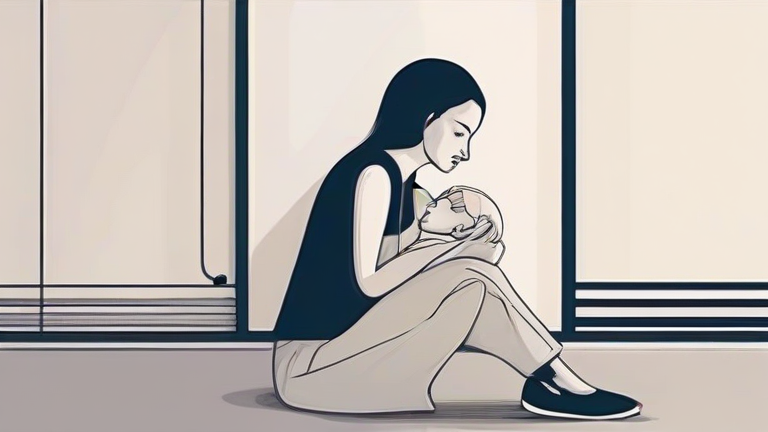
Mom’s Postpartum Psychosis: Intrusive Thoughts Turned Into Voices
TL;DR: Postpartum psychosis is a severe medical emergency where intrusive thoughts escalate into auditory hallucinations, requiring immediate hospitalization. Do not attempt to manage this at home; call emergency services or a crisis line immediately to ensure the safety of both the mother and the baby.
Understanding the Escalation
Postpartum psychosis is a rare but dangerous mental health condition that typically occurs within the first two weeks after birth. Unlike postpartum depression, which involves feelings of sadness and hopelessness, psychosis involves a break from reality. The initial stage often features intense intrusive thoughts, such as sudden, unwanted urges to harm the baby. In the progression of the illness, these thoughts can transform into distinct auditory hallucinations, where the mother hears voices commanding or commenting on her actions. Recognizing this shift is critical because it indicates that the brain’s filtering mechanisms are failing, and the individual is at high risk of acting on these commands or experiencing delusions.
If you want to dig deeper, check out our guide on 10 Most Challenging Businesses to Make Profitable.
Step-by-Step Response Guide
Step 1: Ensure Immediate Safety
The moment you suspect the transition from thoughts to voices, or if the mother expresses fear about harming the baby, remove the infant from the room. If the mother is in a separate room, do not leave her alone. Do not argue with the hallucinations or try to reason with delusions, as this can increase agitation. Your primary goal is physical safety for everyone involved.
Step 2: Call Emergency Services
Call 911 or your local emergency number immediately. Clearly state that you are dealing with a postpartum psychosis emergency involving auditory hallucinations. Specify that the mother may be a danger to herself or the infant. Emergency responders are trained to handle psychiatric crises with de-escalation techniques. Do not wait for a scheduled doctor’s appointment or try to “wait it out.”
Step 3: Gather Medical Information
While waiting for help, gather the mother’s medication list, prenatal records, and any notes on symptoms. Write down the specific content of the voices if she is willing to share, but do not force her to speak. Note the timeline: when the intrusive thoughts started and when the voices began. This information helps doctors determine the appropriate medication, often antipsychotics, which can be highly effective.
Step 4: Support the Partner and Family
Psychosis is not caused by poor parenting or stress. It is a biological event. Partners and family members need support to process the shock of the diagnosis. Encourage them to seek counseling for themselves. The hospital will provide the mother with a safe environment for stabilization, medication adjustment, and psychoeducation.
Essential Tips for Recovery
Medication adherence is the cornerstone of recovery. Mothers must take their prescribed antipsychotics and mood stabilizers exactly as directed, even after symptoms subside. Sleep is vital; psychosis is often triggered or worsened by sleep deprivation. Hospitalization usually includes a strict sleep regimen. After discharge, a robust support system is necessary. This includes a designated caregiver for the baby so the mother can rest. Regular follow-up appointments with a psychiatrist are non-negotiable. Many women recover fully from postpartum psychosis with proper treatment and live normal, healthy lives. Early intervention significantly improves the prognosis and prevents future episodes.
FAQ
Q: Is postpartum psychosis caused by bad parenting?
A: No, it is a severe biological illness similar to bipolar mania or schizophrenia, not a result of poor parenting or emotional weakness.
Q: Can the mother keep the baby after discharge?
A: Yes, once stabilized and medically cleared, mothers can usually resume caregiving, but they will need significant support and strict medication management.
Q: How long does hospitalization typically last?
A: Most mothers are hospitalized for one to two weeks, depending on how quickly they
Leave a Reply