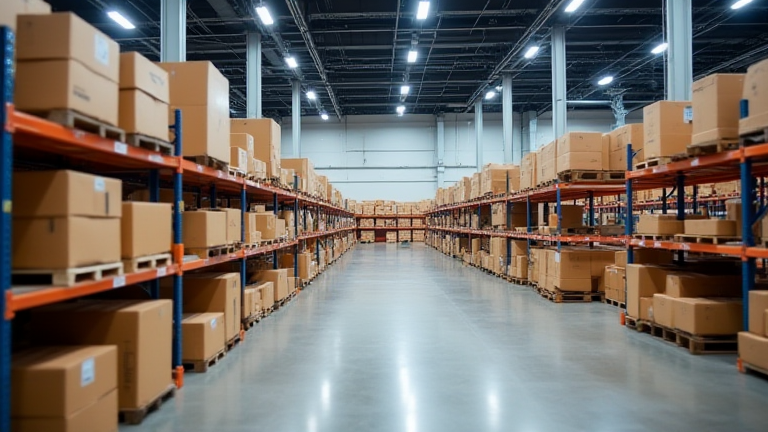
TL;DR: Micro-fulfillment centers (MFCs) are transforming urban retail by enabling same-day delivery that feels like a personalized errand service. This shift allows shoppers to enjoy the immediacy of local culture and food without sacrificing the convenience of digital integration.
The New Urban Convenience
Walking through a bustling city center today, you might notice a new type of storefront. It looks like a standard boutique or a grocery shop, but the back is a humming, automated engine of logistics. These are micro-fulfillment centers, and they are quietly rewriting the rules of how we consume. For the modern urbanite, this isn’t just about speed; it’s about reclaiming time. When you can order a specific artisanal coffee bean blend or a locally sourced vegetable box and have it at your door in forty-five minutes, the daily rhythm of life changes. You are no longer tethered to store hours or long queues. Instead, you are free to explore the city, attend a gallery opening, or simply sit in a park with a book, knowing your essentials are already on their way. This fluidity enhances the travel-like aspect of daily life, making every block feel accessible and every need easily met without the friction of traditional retail.
If you want to dig deeper, check out our guide on Quantum-Safe Encryption: A New Board-Level Priority.
Food and Culture on Demand
The impact is particularly profound in the food and culture sectors. Consider the culinary landscape of a major metropolis. MFCs allow niche brands to scale without building massive warehouses on the outskirts. A small pasta maker in a historic district can now serve customers in the financial district the same evening. This decentralization supports local culture by keeping production close to the community. It reduces the carbon footprint associated with long-haul trucking and supports the local economy. For the consumer, this means access to a richer, more diverse array of goods. You can sample products from emerging cultural brands that might otherwise be lost in the sea of mass-market options. The experience becomes one of discovery. Each delivery is a small introduction to the city’s evolving cultural tapestry, delivered with the precision of a digital algorithm but the soul of a local shopkeeper.
Personal Growth and Mindfulness
On a personal level, this shift encourages a more mindful approach to consumption. When products are readily available, there is less impulse buying driven by scarcity or the need to stockpile. Instead, purchasing becomes a deliberate act. You buy what you need, when you need it, reducing waste and clutter. This aligns with the growing trend of minimalism and intentional living. The reduction of time spent commuting to stores and browsing aisles frees up mental bandwidth for creative pursuits, family time, or rest. It is a subtle but significant upgrade to quality of life. The urban environment becomes less of a place of obligation and more of a place of inspiration. As MFCs continue to proliferate, they promise a future where technology serves to enhance, rather than complicate, our daily interactions with the world around us.
FAQ
Q: How do micro-fulfillment centers differ from traditional warehouses?
A: Unlike large, remote warehouses, MFCs are small, automated hubs located within or near high-density urban areas, allowing for rapid last-mile delivery.
Q: Do MFCs increase the environmental impact of delivery?
A: Generally, no. By reducing the distance goods must travel, MFCs lower carbon emissions compared to long-haul trucking from suburban distribution centers.
Q: Will MFCs replace physical brick-and-mortar stores?
A: They are more likely to complement them. Many MFCs operate as hybrid models, serving both online orders and in-store foot traffic to maximize efficiency.
Leave a Reply