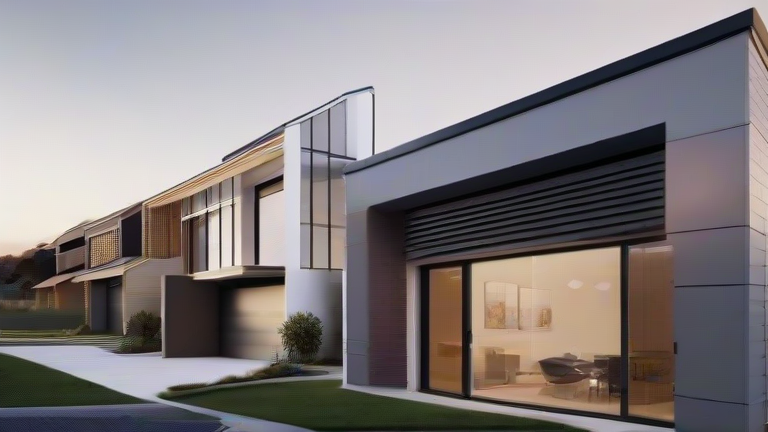
Metaverse Real Estate: Shifting to Utility-Driven Use
The initial wave of metaverse real estate speculation, characterized by exorbitant prices for digital land parcels with little functional purpose, is rapidly cooling. Investors, brands, and platform developers are increasingly pivoting away from pure speculation toward utility-driven models. This shift marks a maturation phase for the digital property market, where value is derived not from scarcity alone, but from the tangible services, experiences, and interoperability that a plot of virtual land can support.

Recent developments indicate that the most valuable assets are no longer those simply adjacent to popular landmarks, but those equipped with robust infrastructure. Leading platforms like Decentraland, The Sandbox, and Spatial are introducing new SDKs (Software Development Kits) that allow landowners to build complex, interactive environments. These tools enable the creation of virtual offices, immersive gaming arenas, and educational spaces, transforming static plots into dynamic hubs of activity. For instance, recent upgrades in Decentraland’s governance system have empowered landowners to vote on infrastructure improvements, directly linking property value to community utility and engagement levels.
If you want to dig deeper, check out our guide on Hybrid Flexibility: How Remote Work Policies Are Shifting.
From a technical specifications standpoint, the demand for high-fidelity rendering and low-latency interaction is driving hardware and software innovation. To support utility-driven real estate, platforms are upgrading to WebGL 2.0 and integrating WebXR standards, ensuring seamless cross-device compatibility. Furthermore, the implementation of procedural generation algorithms allows for scalable, customizable environments without bloating file sizes. This technical evolution is crucial for supporting the heavy computational loads required for real-time collaboration tools, virtual concerts, and enterprise-grade virtual meetings, which are becoming the primary revenue streams for landowners.
The impact on the broader industry is profound. Traditional real estate firms are beginning to explore hybrid models, where physical and digital properties are linked. A physical storefront might offer exclusive NFT rewards for visitors to a corresponding virtual space, creating a closed-loop customer experience. Meanwhile, the technology sector is seeing a surge in demand for digital asset management platforms that can handle the complexities of owning, leasing, and monetizing virtual land across multiple ecosystems. This interoperability is key; the
Leave a Reply