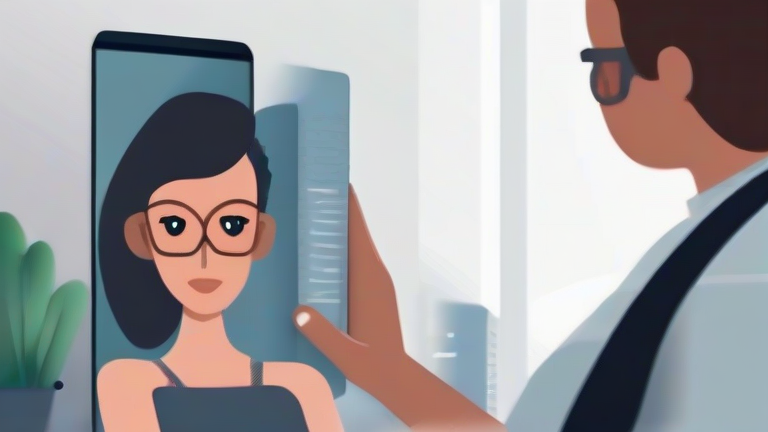
TL;DR: Mental health apps integrate with wearables by using biometric data to provide real-time emotional insights and personalized interventions. This synergy creates a comprehensive digital ecosystem that enhances therapeutic outcomes through continuous monitoring and proactive care.
The Convergence of Digital Therapeutics and Biometrics
In the rapidly evolving landscape of digital health, the boundary between mental wellness platforms and physical fitness trackers is dissolving. Historically, these two domains operated in silos; however, modern software development now prioritizes interoperability. This shift allows users to correlate physiological states, such as heart rate variability (HRV) and sleep quality, with psychological well-being. By syncing data from smartwatches with therapy applications, individuals gain a holistic view of their health, moving beyond subjective self-reporting to objective, data-driven insights.
If you want to dig deeper, check out our guide on Top 5 Tech Trends to Watch in 2024: Stay Ahead of the Curve.

Science-Backed Benefits of Integrated Care
Recent studies indicate that integrating biometric data into cognitive behavioral therapy (CBT) apps significantly improves adherence and efficacy. For instance, elevated resting heart rate often precedes an anxiety episode. When a wearable detects this physiological spike, the companion app can prompt grounding exercises or deep breathing techniques before the anxiety becomes overwhelming. This proactive approach is rooted in the understanding that mental and physical health are inextricably linked. Furthermore, sleep tracking data provides critical context for mood regulation. Consistent poor sleep is a known risk factor for depression, and apps that monitor this can adjust therapeutic recommendations accordingly, such as suggesting earlier bedtimes or limiting caffeine intake.
Moreover, the feedback loop created by this integration fosters greater self-awareness. Users can visually see how meditation sessions lower their stress markers or how lack of movement correlates with low mood. This evidence-based feedback reinforces positive behavioral changes, making lifestyle modifications more sustainable and effective over time.
Lifestyle Tips for Maximizing Integration
To fully leverage this technology, consistency is key. Ensure your wearable is worn correctly to maintain accurate sensor contact, especially during sleep and exercise. Regularly update both your app and firmware to benefit from the latest algorithmic improvements. It is also advisable to review your data weekly with a healthcare provider or therapist to identify trends that might not be obvious in daily snapshots. Avoid data overload by setting specific goals, such as improving HRV during meditation, rather than obsessing over every minor fluctuation. Finally, remember that these tools are supplements to, not replacements for, professional care. Use them to empower your journey, but always seek human connection and professional guidance for serious mental health concerns.
FAQ
Q: Are mental health apps and wearables safe to use together?
A: Yes, reputable apps use encrypted data transmission and comply with privacy regulations like HIPAA, ensuring your personal health information remains secure while syncing with wearable devices.
Q: Do I need a specific brand of wearable to use these apps?
A: Many popular mental health apps support major platforms like Apple Health and Google Fit, allowing compatibility with various brands, though some features may be optimized for specific devices.
Q: Can these apps replace traditional therapy?
A: No, they are designed as supportive tools to enhance professional treatment, not replace it. They provide valuable data and coping mechanisms, but clinical diagnosis and deep therapeutic work require licensed professionals.
Leave a Reply