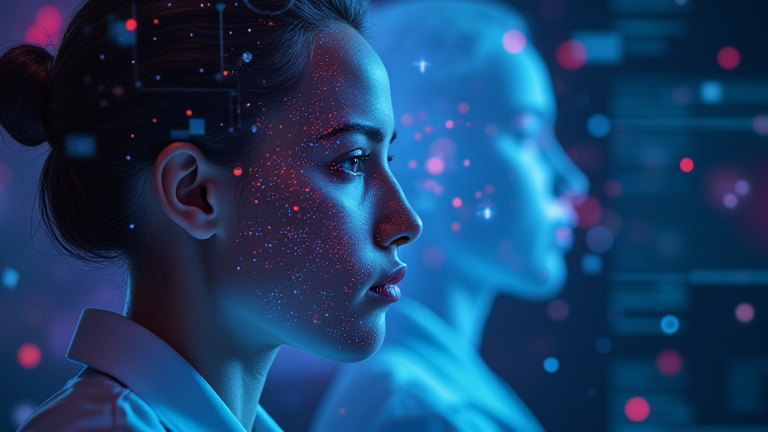
TL;DR: AI coaching apps are transforming mental health care by providing immediate, personalized, and accessible support that bridges the gap between professional therapy and daily self-care. These tools leverage machine learning to adapt to user needs, offering a scalable solution for those seeking consistent guidance without the traditional barriers of cost or availability.
The Digital Shift in Personal Growth
In the bustling landscape of modern personal growth, the journey toward mental well-being has increasingly moved from private therapy rooms to our pocket-sized screens. For many, the decision to prioritize mental health is no longer a one-time event but a continuous lifestyle choice, much like curating a balanced diet or planning a transformative travel itinerary. Just as we use travel apps to navigate unfamiliar cities, we now rely on AI-driven mental health applications to navigate the complex terrain of our emotions and thoughts. This shift represents a significant cultural change, where technology serves not as a replacement for human connection, but as a supportive companion in the daily practice of self-care.
If you want to dig deeper, check out our guide on Best Noise-Cancelling Headphones for Remote Work.
How AI Enhances the Coaching Experience
Traditional coaching often relies on scheduled sessions, which can leave gaps in support during critical moments of stress or confusion. AI coaching apps, however, offer a dynamic form of engagement that learns and evolves with the user. By analyzing patterns in mood, sleep, and activity, these applications provide tailored suggestions for mindfulness exercises, cognitive behavioral techniques, or even simple breathing practices. This personalized approach mirrors the intimacy of a close friend who truly understands your habits and triggers, but with the precision of data-driven insights. The result is a more responsive and effective tool for personal growth, allowing individuals to address challenges in real-time rather than waiting for their next appointment.
Accessibility and Cultural Impact
One of the most profound aspects of this transformation is the democratization of mental health resources. In many cultures, seeking professional help remains stigmatized, and financial barriers can be insurmountable. AI apps break down these walls by offering affordable, anonymous, and always-available support. This accessibility fosters a new cultural norm where checking in with one’s mental state is as routine as checking the weather or reviewing a food menu. It encourages a proactive stance on well-being, empowering individuals to take charge of their mental health journey on their own terms. As we continue to integrate these tools into our daily lives, we are seeing a broader acceptance of mental wellness as a fundamental component of overall health and happiness.
FAQ
Q: Are AI coaching apps a substitute for professional therapy?
A: No, they are designed to complement professional care by providing daily support and skill-building exercises, but they should not replace diagnosis or treatment for severe mental health conditions.
Q: How does AI ensure the privacy of my mental health data?
A: Reputable apps use end-to-end encryption and strict data privacy policies to ensure that your personal information and mental health records are secure and not shared without explicit consent.
Q: Can AI coaching help with specific issues like anxiety or insomnia?
A: Yes, many apps offer targeted modules that use evidence-based techniques such as CBT or mindfulness to help manage specific symptoms like anxiety, stress, and sleep disturbances effectively.
Leave a Reply