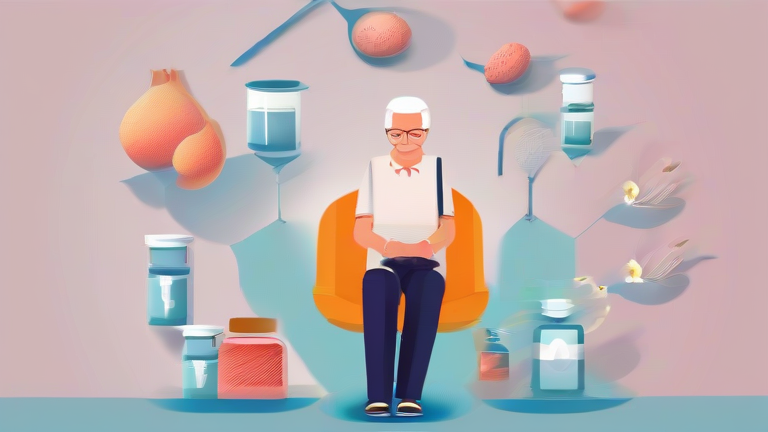
Longevity Drugs: Do They Extend Healthy Human Lifespan?

The allure of the fountain of youth has captivated human imagination for millennia, but today, the conversation has shifted from mythical waters to molecular compounds. As scientists delve deeper into the biology of aging, the rise of “longevity drugs” like rapamycin, metformin, and NAD+ precursors has sparked a global debate. But does extending life actually mean extending *healthy* life? To answer this, we must look beyond the lab and into the rhythm of daily existence, exploring how the pursuit of longevity intersects with our love for travel, food, culture, and personal growth.
When we discuss longevity, we often fixate on the quantity of years rather than the quality of days. A drug that adds five years to your life is of little value if those years are filled with frailty and dependency. True longevity is not merely the absence of disease; it is the presence of vitality. It is the ability to hike a mountain in your seventies, to savor a complex meal without dietary restrictions, and to engage deeply with the cultural tapestry of your community. This holistic view suggests that while pharmaceutical interventions may play a role in cellular maintenance, they cannot replace the foundational pillars of a long, vibrant life.
Consider the role of travel in this equation. Exploring new cultures forces the brain to adapt, learn, and remain flexible. The stress of navigating unfamiliar cities or learning new languages stimulates neuroplasticity, a key factor in cognitive health. Similarly, the culinary arts offer a profound connection to longevity. The Mediterranean diet, rich in olive oil, fish, and vegetables, has long been associated with reduced inflammation and heart health. Food is not just fuel; it is culture, history, and pleasure combined. A pill cannot replicate the joy of sharing a meal with loved ones or the satisfaction of cooking a dish from scratch.
Moreover, personal growth is the ultimate antidote to stagnation. Aging is
Leave a Reply