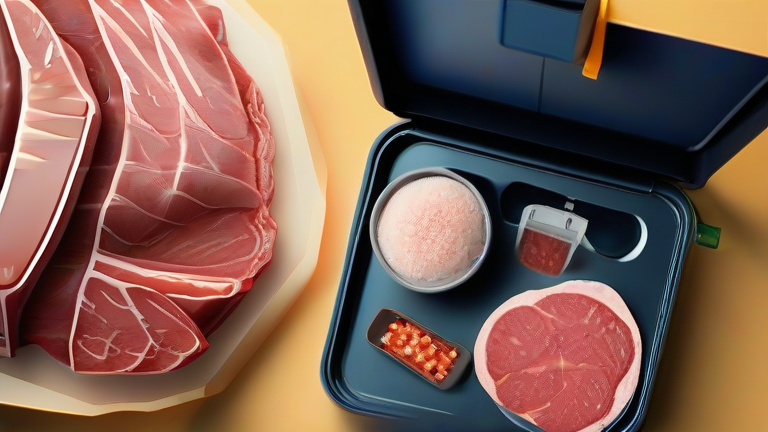
TL;DR: Yes, lab-grown meat has recently secured regulatory approval in several major global markets, marking a historic milestone for the cellular agriculture industry. This approval signifies that cultured meat is now legally recognized as safe for human consumption, paving the way for commercial availability in restaurants and grocery stores.

The landscape of sustainable eating has shifted dramatically with the recent global regulatory approvals for lab-grown meat. For years, cellular agriculture has been viewed as a promising solution to the environmental and ethical challenges posed by traditional livestock farming. Now, as governments in the United States, Singapore, and other nations grant formal clearance, consumers are beginning to encounter these products on their plates. But what does this mean for your health and wellness routine? Understanding the nutritional profile and potential lifestyle impacts is crucial for making informed dietary choices.
From a scientific perspective, lab-grown meat, also known as cultured meat, is produced by taking cells from an animal and growing them in a controlled environment. Unlike conventional meat, which requires raising and slaughtering animals, this process significantly reduces land use, water consumption, and greenhouse gas emissions. However, health-conscious individuals often worry about the safety and nutritional equivalence of these novel products. Regulatory bodies like the FDA and USDA have conducted rigorous assessments to ensure that cultured meat is free from harmful pathogens and contaminants. Early data suggests that the nutritional content is comparable to conventional meat, with the added benefit of potentially lower saturated fat levels depending on the culture medium used.
Integrating Cultured Meat into a Healthy Lifestyle
Incorporating lab-grown meat into your diet can be a simple transition for those looking to reduce their environmental footprint without sacrificing flavor. Start by exploring local restaurants that have partnered with cellular agriculture companies. Many high-end culinary establishments are already offering cultured chicken and beef dishes. This allows you to experiment with the taste and texture before committing to purchasing packaged products. Additionally, consider the broader context of your diet. While lab-grown meat offers a sustainable protein source, it should be part of a balanced diet rich in plant-based foods, whole grains, and vegetables.
One key aspect to consider is the growth medium. Some cultured meats are grown using fetal bovine serum, though most commercial products now utilize plant-based or synthetic alternatives to ensure they are vegan-friendly and allergen-free. Always check product labels for ingredients to ensure they align with your personal dietary restrictions and values. Furthermore, the reduced need for antibiotics in cultured meat production addresses a growing public health concern regarding antibiotic resistance. By choosing lab-grown options, you are supporting a food system that prioritizes microbial safety and reduces the risk of drug-resistant superbugs.
As the industry scales up, prices are expected to decrease, making these products accessible to a wider audience. This democratization of sustainable protein is a significant step forward for global food security. However, consumers should remain vigilant about marketing claims. Not all “new meat” products are lab-grown; some are heavily processed plant-based alternatives. Differentiating between cellular agriculture and plant-based meats is essential for accurate nutritional assessment. Plant-based meats often contain high levels of sodium and additives, whereas cultured meat aims to replicate the nutritional profile of animal protein more closely.
FAQ
Q: Is lab-grown meat safe to eat?
A: Yes, regulatory agencies in countries like Singapore and the US have deemed it safe after rigorous testing for pathogens and contaminants.
If you want to dig deeper, check out our guide on Best Ergonomic Office Chair for Lower Back Pain in 2024.
Q: How does the taste compare to conventional meat?
A: Most consumers report that the taste and texture are nearly identical to traditional meat, as it is biologically the same tissue.
Q: Will lab-grown meat be vegan-friendly?
A: Yes, most new commercial products use plant-based growth mediums, making them free from animal-derived ingredients and suitable for vegans.
Leave a Reply