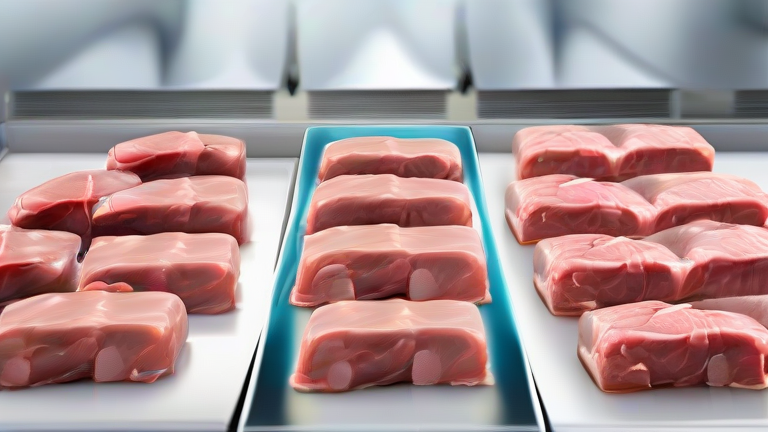
Lab-Grown Meat Clears Major Regulatory Hurdles

The landscape of global gastronomy is shifting beneath our feet, quite literally. For decades, the concept of meat grown from cells in a laboratory felt like the stuff of science fiction, relegated to the fringes of speculative fiction and high-tech startup brochures. However, recent regulatory approvals in key markets mark a pivotal turning point. This is no longer just about innovation; it is about the intersection of ethics, sustainability, and the very soul of what we eat.
As a lifelong traveler, I have tasted the raw energy of street food in Bangkok, the slow-cooked traditions of Provence, and the delicate precision of Tokyo’s sushi counters. Food is culture. It is memory. Yet, the environmental cost of traditional livestock farming has become impossible to ignore. The carbon footprint, water usage, and land degradation associated with conventional meat production are staggering. The emergence of regulated cultured meat offers a profound alternative. It promises to decouple our culinary heritage from its ecological footprint.
This shift is not merely technical; it is deeply personal. Imagine dining in a remote village in Italy, where the recipe for ragù has been passed down through generations, but the meat is cultivated without slaughter. The taste remains familiar, comforting, and authentic. The ritual remains intact. However, the ethical burden is lifted. For the traveler seeking authentic experiences without complicity in environmental degradation, this new reality offers a path forward. It allows us to indulge in our cultural curiosities with a clear conscience.
If you want to dig deeper, check out our guide on Quantum Computing Reaches Practical Error Correction.
A New Culinary Renaissance
The clearance of regulatory hurdles does not mean the end of tradition; it suggests its evolution. Chefs around the world are already experimenting with these new ingredients. The goal is not to replace the beef burger or the pork chop but to offer a sustainable variant that satisfies the same cravings. This is personal growth on a collective scale. We are learning to value sustainability not as a restriction, but as an enhancement of quality and ethics.
Furthermore, this development democratizes access to high-quality protein. In regions where livestock farming
Leave a Reply