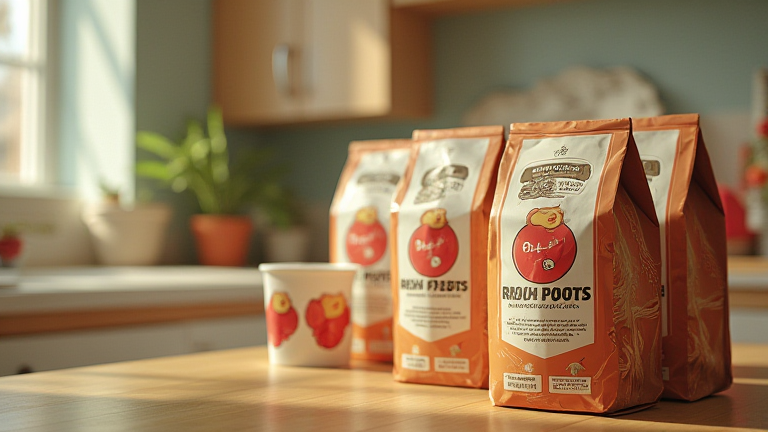
TL;DR: Kellogg’s has officially confirmed it will eliminate all artificial colors from its cereal lineup by the end of 2026. This strategic shift aligns with growing consumer demand for transparent, natural ingredients and positions the brand for long-term health-focused growth.
In the bustling aisles of your local supermarket, the vibrant rainbow of breakfast cereals has long been a staple of childhood nostalgia. From bright red Frosted Flakes to electric blue packaging, artificial colors have defined the visual identity of morning meals for generations. However, a significant cultural and culinary shift is underway. Kellogg’s recent announcement to remove artificial dyes by 2026 is not merely a corporate policy change; it is a reflection of a broader societal movement toward mindful consumption and personal wellness.
If you want to dig deeper, check out our guide on VR Exposure Therapy in Mental Health Apps: A New Era.
The Intersection of Food and Personal Growth
For many, the decision to switch to natural ingredients is part of a larger journey toward self-care and intentional living. We are no longer just filling our stomachs; we are fueling our bodies with purpose. This transition invites us to reconsider our relationship with processed foods. It encourages us to look beyond the shiny wrapper and ask what truly goes into our daily routines. By choosing cereals free from artificial additives, individuals are taking a small but powerful step toward reclaiming control over their health. This micro-decision ripples outward, influencing other lifestyle choices, from reducing sugar intake to prioritizing organic produce.

A Cultural Shift in Breakfast Habits
Breakfast is more than a meal; it is a ritual. In many cultures, the morning table is a space for connection, reflection, and preparation for the day ahead. The removal of artificial colors challenges the status quo of this ritual. It prompts families to engage in conversations about food origins and ingredients. Parents find themselves educating children on why carrots provide orange hues instead of synthetic dyes. This educational moment becomes a cornerstone of cultural transmission, passing down values of health and sustainability. The cereal aisle transforms from a place of passive consumption to an arena of active choice.
Furthermore, this change resonates deeply with the travel and food culture community. As culinary tourism grows, travelers seek authentic, clean-eating experiences. Hotels and cafes are increasingly partnering with brands like Kellogg’s to offer breakfast options that align with global wellness trends. Imagine waking up in a boutique hotel in Kyoto or a farmstay in Tuscany, enjoying a bowl of cereal that respects both local agricultural practices and global health standards. This global alignment creates a shared language of wellness, connecting diverse cultures through the universal experience of breakfast.
The journey toward artificial color-free cereals is also a testament to innovation. Food scientists are working tirelessly to develop natural alternatives that maintain vibrant appeal without compromising taste. Beets provide red, turmeric offers yellow, and spirulina delivers green. This culinary alchemy turns the kitchen into a laboratory of creativity. It celebrates the natural palette of the earth, reminding us that beauty does not need to be manufactured. As we move closer to 2026, we are invited to embrace a future where flavor and health coexist harmoniously. This is not just about what we eat; it is about how we live, think, and grow as a society.
FAQ
Q: When will Kellogg’s remove artificial colors from its cereals?
A: Kellogg’s plans to complete the removal of all artificial colors from its cereal products by the end of 2026.
Q: Why is Kellogg’s making this change?
A: The company is responding to increasing consumer demand for cleaner labels and more natural ingredients in their food products.
Q: What natural ingredients will replace artificial dyes?
A: Kellogg’s will use natural sources such as beet powder, turmeric, and spirulina to achieve vibrant colors in their cereals.
Leave a Reply