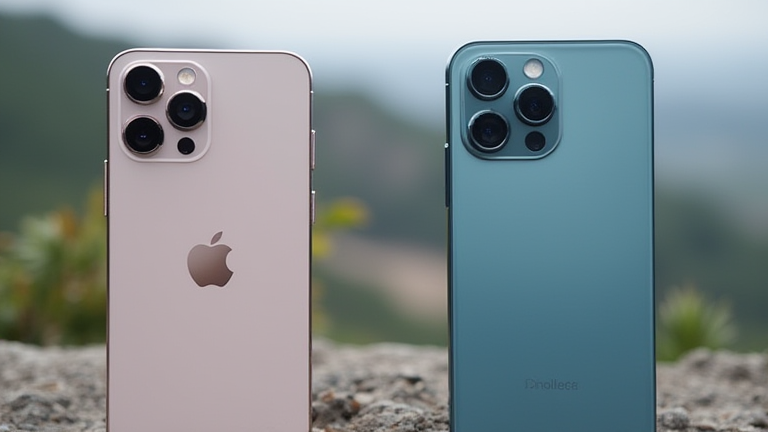
TL;DR: The Galaxy S25 Ultra dominates in raw zoom capability and video stabilization for professional-grade content creation. The iPhone 16 Pro excels in natural color accuracy, low-light performance, and seamless integration with the Apple ecosystem for casual users.
Introduction to the Camera Duel
The smartphone camera market has evolved from a simple novelty into a critical decision-making factor for consumers. As the iPhone 16 Pro and the Samsung Galaxy S25 Ultra stand as the current flagships, their camera systems represent the pinnacle of mobile photography. This article breaks down their real-world performance, exploring how these two giants handle the daily demands of photography and videography. We will examine the latest hardware developments, the specific sensor technologies at play, and the broader industry impact of these competing standards.
If you want to dig deeper, check out our guide on Spatial Computing in the Office: Boosting Daily Productivity.
Hardware and Sensor Specifications
Apple has refined its approach with the iPhone 16 Pro, featuring a 48-megapixel main sensor paired with a 5x telephoto lens and an ultra-wide camera. The new A18 Pro chip drives significant improvements in computational photography, allowing for faster processing times and more detailed night mode shots. Conversely, Samsung’s Galaxy S25 Ultra introduces a 200-megapixel main sensor, which offers unparalleled flexibility in cropping and resolution. It is complemented by a 5x periscope lens and a 3x telephoto lens, providing a broader range of zoom options without significant loss of quality. Both devices now support 8K video recording, but Samsung’s implementation includes more granular control over frame rates and codec options for professional editors.
Real-World Performance Comparison
In daylight conditions, the Galaxy S25 Ultra produces images with slightly higher contrast and saturation, appealing to those who prefer vibrant, out-of-the-box photos. The iPhone 16 Pro, however, maintains its reputation for color fidelity, capturing skin tones and landscapes with a more natural, filmic look. When testing low-light capabilities, the iPhone 16 Pro’s sensor fusion technology minimizes noise effectively, resulting in cleaner images in dim environments. Samsung counters with aggressive AI noise reduction, which can sometimes over-smooth textures, but it generally preserves more detail in shadowed areas. For video, the S25 Ultra’s optical stabilization is marginally superior, resulting in smoother handheld shots, while the iPhone offers a more cinematic color profile that is easier to grade in post-production.
Industry Impact and Future Trends
The rivalry between Apple and Samsung is pushing the entire industry toward higher resolution sensors and advanced AI processing. Manufacturers are increasingly focusing on computational power rather than just hardware specs, leading to smarter cameras that understand context and composition. This trend is forcing mid-range phones to adopt similar features, democratizing high-quality mobile photography. Furthermore, the emphasis on video capabilities signals a shift toward mobile-first content creation, where phones are becoming serious tools for vloggers and filmmakers. As these two leaders continue to innovate, we can expect even tighter integration of AI and camera hardware, potentially leading to real-time video enhancement and predictive focus systems.
FAQ
Q: Which phone has better zoom capabilities?
A: The Galaxy S25 Ultra offers superior zoom range and detail at maximum magnification due to its higher-resolution sensor and dedicated periscope lenses.
Q: Is the iPhone 16 Pro better for video recording?
A: For cinematic color and ease of use, the iPhone 16 Pro is often preferred, but the Galaxy S25 Ultra offers more technical control and stabilization for professional workflows.
Q: Do I need the latest flagship for good photos?
A: No, previous generation flagships and even high-end mid-range phones now offer excellent cameras, making the latest models a choice for specific pro features rather than basic quality.
Leave a Reply