
Integrate Mental Health Apps Into Care for Better Outcomes
In an era where digital innovation intersects with biological science, the landscape of mental healthcare is undergoing a profound transformation. Historically, therapy was confined to the four walls of a clinician’s office, occurring once a week at best. Today, however, a new paradigm is emerging: the integration of mental health applications into daily care routines. This shift is not about replacing human therapists but about augmenting traditional care with continuous, science-backed support tools. Research indicates that patients who utilize digital therapeutics alongside conventional treatment report significantly better long-term outcomes, including reduced anxiety levels and improved mood stability.
The Science Behind the Screen
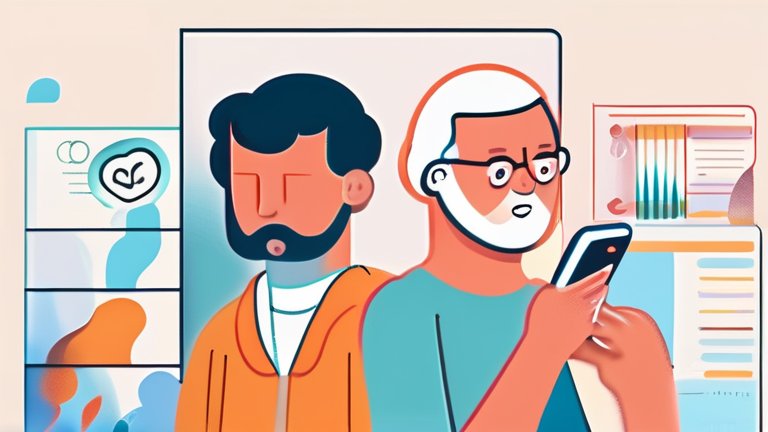
The efficacy of these applications lies in their ability to leverage Cognitive Behavioral Therapy (CBT) principles through accessible interfaces. Studies published in major psychiatric journals have shown that app-based CBT can be as effective as face-to-face sessions for mild to moderate depression and anxiety. These tools work by helping users identify negative thought patterns in real-time, offering immediate coping strategies when stress peaks. Furthermore, the data generated by these apps provides clinicians with valuable insights into a patient’s daily emotional fluctuations, allowing for more personalized and responsive treatment plans. This data-driven approach bridges the gap between weekly appointments, ensuring that care is continuous rather than intermittent.
If you want to dig deeper, check out our guide on 10 Essential Health Tips for a Longer, Happier Life.
Lifestyle Tips for Digital Wellness
To maximize the benefits of mental health apps, it is crucial to integrate them mindfully into your lifestyle. First, choose applications that are evidence-based and reviewed by mental health professionals. Look for certifications or endorsements from recognized health organizations to ensure safety and efficacy. Second, establish a consistent routine. Just as you would take medication at specific times, try to engage with your app daily, even if only for ten minutes. This consistency helps build neural pathways associated with calmness and resilience.
Additionally, balance screen time with offline activities. While apps are powerful tools, they should not become a source of digital anxiety. Set boundaries for usage, especially before bed, to protect your sleep hygiene. Use the app as a bridge to real-world connections rather than a replacement. Finally, maintain open communication with your healthcare provider. Share your app usage data
Leave a Reply