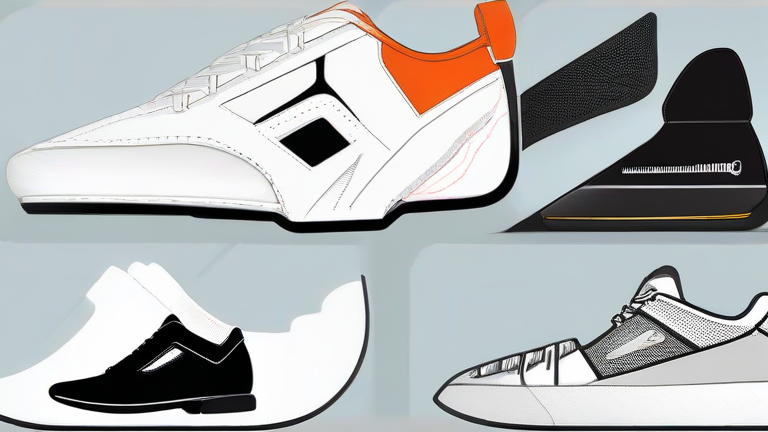
How to Choose the Right Running Shoe for Flat Feet
TL;DR: Select a running shoe with a stable, firm midsole and a wide base to prevent excessive inward rolling. Look for models specifically labeled for neutral or low-arch support rather than aggressive motion control.
Running with flat feet, or fallen arches, presents unique challenges. Without the natural cushioning of an arch, the foot’s entire sole hits the ground with each stride, leading to increased impact stress. This can result in pain in the arches, ankles, knees, and hips if the wrong footwear is chosen. The primary goal when shopping for running shoes is stability and proper alignment. You need a shoe that keeps your foot from overpronating, a condition where the foot rolls inward excessively during the gait cycle.
If you want to dig deeper, check out our guide on How to Spot a Micro-Trend Before It Hits TikTok Shop.
Key Features to Look For
The most critical feature for flat feet is a dual-density midsole. The inner side of the shoe should be made of a firmer foam than the outer side. This asymmetry helps guide the foot into a neutral position as it lands. Additionally, look for a wide heel counter. A rigid heel cup locks your heel in place, preventing it from sliding or rolling inward. This stability is crucial for transferring force efficiently up the kinetic chain.
Another vital aspect is the outsole design. Avoid shoes with overly flexible forefeet. While flexibility is good for natural movement, too much of it can cause the foot to splay outward or the arch to collapse under load. A moderate amount of torsional rigidity provides the necessary support without making the shoe feel like a boot. Finally, check the toe box. Flat feet often require more width, so ensure the shoe has ample room to prevent bunions or black toenails.
Popular Comparisons
When comparing top contenders, the Brooks Glout and the ASICS Gel-Kayano are often cited as leaders. The Brooks model is praised for its smooth ride and excellent heel stability, making it a favorite for long-distance runners who need all-day comfort. It features a wide base that naturally accommodates the foot’s shape without aggressive correction.
In contrast, the ASICS Gel-Kayano offers a more structured feel. It uses a dynamic support system that adjusts to your specific gait. While it provides superior correction for severe overpronation, some runners find it slightly heavier than the Brooks option. If you are a heavier runner or have a history of shin splints, the extra support of the Kayano might be preferable. However, if you prioritize a lighter, more responsive shoe for speed work, the Brooks or similar neutral stability options like the Hoka Arahi may serve you better.
Make the Right Choice
Do not guess when it comes to your health. Visit a local running specialty store where professionals can analyze your gait on a treadmill. They can observe your foot strike in real-time and recommend the best fit based on your specific biomechanics. If buying online, stick to retailers with generous return policies so you can test the fit at home. Remember, the best shoe for flat feet is one that feels secure, supportive, and comfortable from the first step. Invest in quality footwear to protect your joints and enhance your running performance. Start your journey toward pain-free miles today.
FAQ
Q: Do I need motion control shoes if I have flat feet?
A: Not necessarily. Many flat-footed runners do not overpronate significantly. Neutral stability shoes often provide sufficient support without the rigid structure of traditional motion control models.
Q: How often should I replace running shoes for flat feet?
A: Replace them every 300 to 500 miles. The supportive foam and structure degrade over time, losing their ability to prevent overpronation and provide adequate cushioning.
Q: Are custom orthotics better than built-in shoe support?
A: Built-in support is generally sufficient for most runners. Custom orthotics are only recommended if you have persistent pain despite wearing appropriate stable shoes and should be prescribed by
Leave a Reply