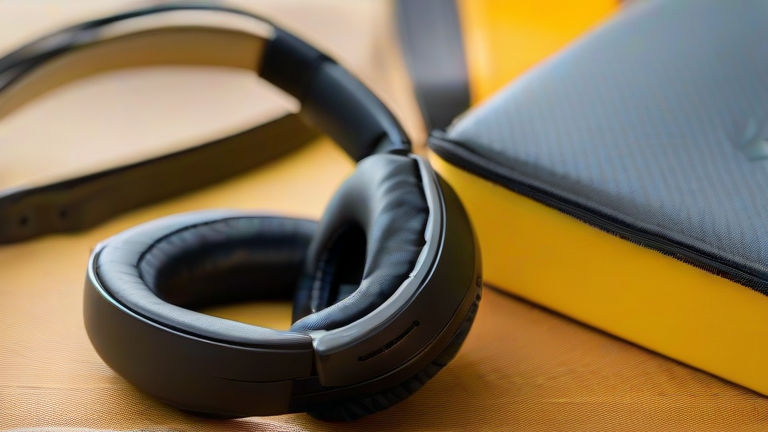
TL;DR: To choose the best noise cancelling headphones for travel, prioritize models with hybrid active noise cancellation, long battery life exceeding thirty hours, and comfortable over-ear designs for extended wear. Look for industry-leading brands like Sony, Bose, and Apple that offer seamless ecosystem integration and superior acoustic isolation for chaotic airport environments.
The Evolution of Silence in the Air
Travel has become increasingly chaotic, with airports and airplanes serving as noisy arenas that test the patience of even the most seasoned flyers. The demand for premium audio gear has skyrocketed, driving manufacturers to innovate rapidly. The latest generation of noise cancelling headphones utilizes advanced hybrid active noise cancellation technology, which combines feedforward and feedback microphones to analyze and neutralize ambient sound waves in real-time. This development has significantly reduced the “hiss” often associated with older digital cancellation systems, resulting in a purer, more immersive listening experience that allows travelers to focus on work or relaxation without distraction.
If you want to dig deeper, check out our guide on Best Ergonomic Office Chair for Back Pain Relief.
Key Specifications to Consider
When evaluating options, battery life remains a critical factor. Top-tier models now offer up to thirty to forty hours of playback with noise cancellation enabled, ensuring they last through long-haul flights without needing a recharge. Additionally, comfort is paramount; look for headphones with plush memory foam ear cups and lightweight headbands to prevent fatigue during extended periods of use. Connectivity is another crucial aspect. Bluetooth 5.2 and newer standards provide stable connections with lower latency, while multipoint pairing allows users to switch seamlessly between a laptop and a smartphone. Industry leaders like Sony and Bose continue to dominate the market by offering spatial audio features that create a 360-degree soundstage, enhancing the entertainment experience significantly.
Industry Impact and Future Trends
The competition in the premium audio sector has forced companies to invest heavily in proprietary algorithms and custom drivers. This rivalry has benefited consumers by driving down prices while simultaneously improving performance. The integration of artificial intelligence into noise cancellation systems allows headphones to adapt to changing environments automatically, such as detecting the difference between the low rumble of an engine and the chatter of nearby passengers. As the travel industry rebounds, the expectation for high-quality, reliable audio accessories continues to rise, shaping the future of personal electronics. Consumers are no longer just buying headphones; they are investing in essential travel companions that enhance productivity and well-being on the go.
FAQ
Q: What is the difference between passive and active noise cancellation?
A: Passive noise cancellation relies on physical materials like ear cushions to block sound, while active noise cancellation uses electronics and microphones to generate inverse sound waves that cancel out external noise.
Q: Do noise cancelling headphones work on airplanes?
A: Yes, they are highly effective on airplanes, particularly against low-frequency engine drone, though they may not completely eliminate high-pitched sounds like crying babies or announcements.
Q: Which brand offers the best battery life for travel?
A: Sony and Bose currently offer some of the best battery lives, with many models providing over thirty hours of continuous playback with noise cancellation enabled.
Leave a Reply